

Operation Process and Working Principle of Metallurgical Coke Powder Conveying Machine
Metallurgical coke powder conveying machines are essential equipment in the industrial sector, particularly for handling and transporting coke powder in metallurgical plants. These machines are designed to ensure efficient and reliable material transport, which is crucial for maintaining production efficiency and safety standards. The following content will delve into the operation process and working principle of such machines, providing a comprehensive understanding of their functionality and importance in industrial applications.
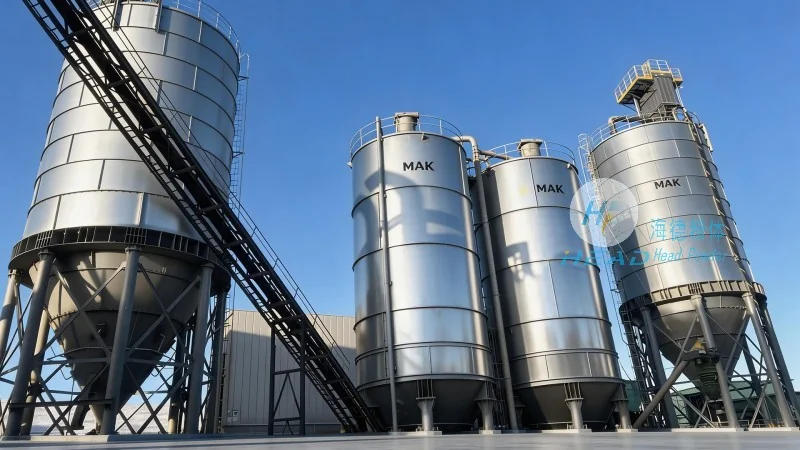
Introduction to Metallurgical Coke Powder Conveying Machines
Metallurgical coke, a critical raw material in the steelmaking process, is often processed into fine powder form for various applications. The efficient handling of this powder is vital to prevent dust generation, minimize material loss, and ensure consistent product quality. Conveying machines specifically engineered for coke powder offer a solution that addresses these challenges by providing a sealed, controlled environment for material transport. HeadPowder, a leading manufacturer in this field, specializes in designing and producing high-quality coke powder conveying systems that meet the stringent requirements of modern metallurgical operations.
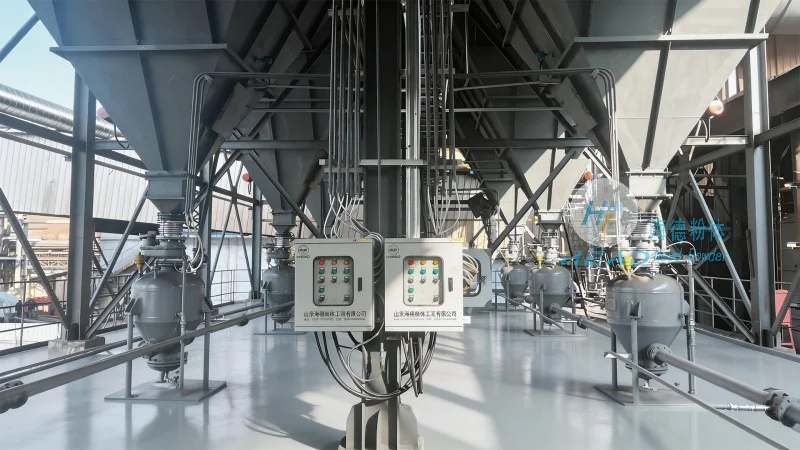
Key Components and Structure of the Conveying Machine
The metallurgical coke powder conveying machine typically consists of several key components that work in tandem to achieve effective material transport. The main parts include a hopper for material storage, a conveyor system (such as a screw or pneumatic conveyor), a dust collection system, and a control panel for operation. The hopper is designed to hold a sufficient quantity of coke powder, ensuring a continuous feed to the conveyor. The conveyor mechanism, often a screw conveyor or a pneumatic system, transports the powder from the hopper to the discharge point. The dust collection system is integrated to capture any airborne particles, maintaining a clean and safe working environment. The control panel allows operators to monitor and adjust the conveying speed and other parameters as needed. HeadPowder's machines are built with durable materials, such as stainless steel or corrosion-resistant alloys, to withstand the abrasive nature of coke powder and ensure long-term reliability.
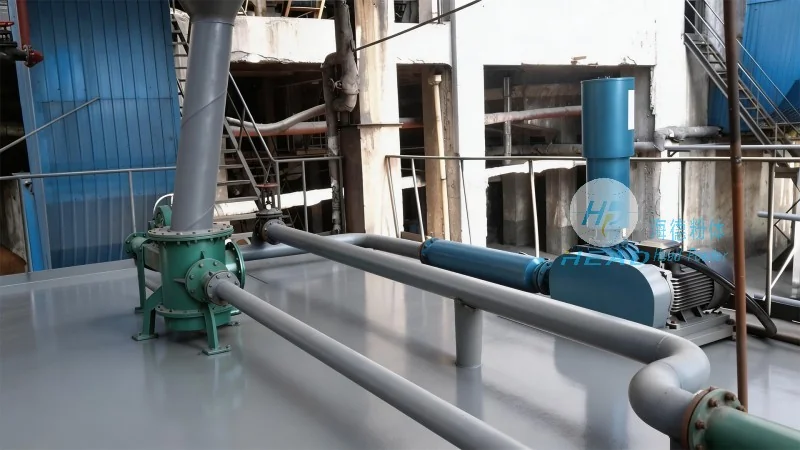
Operation Process of the Conveying Machine
The operation of a metallurgical coke powder conveying machine involves several sequential steps to ensure smooth and efficient material transport. First, the coke powder is fed into the hopper from a storage silo or a processing unit. The hopper's design, with a sloped bottom, facilitates the flow of powder into the conveyor. Next, the conveyor system is activated, and the powder is moved through the system. In a screw conveyor, the rotating screw pushes the powder forward, while in a pneumatic system, compressed air propels the powder through a pipeline. The speed of the conveyor can be adjusted based on the required throughput and the characteristics of the powder. The discharge point is where the powder is released into the next processing stage or a storage container. Throughout the process, the dust collection system continuously operates to capture any particles that escape, preventing contamination and maintaining air quality. HeadPowder's machines are equipped with advanced control systems that allow for real-time monitoring and adjustment, ensuring optimal performance and minimizing downtime.
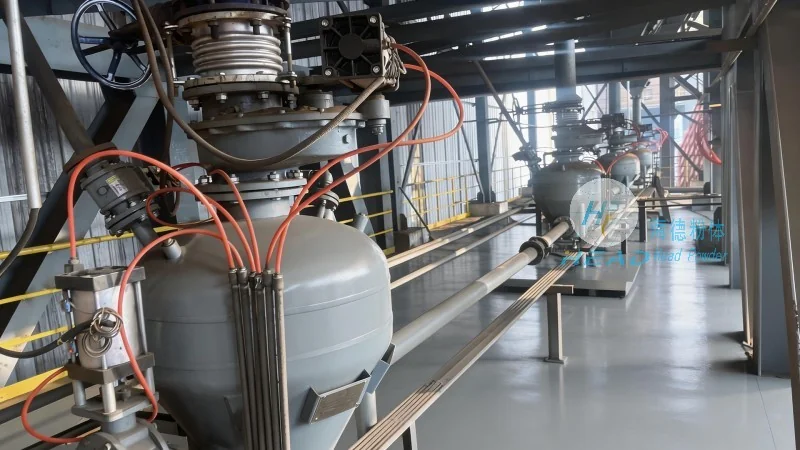
Working Principle of the Conveying Machine
The working principle of a metallurgical coke powder conveying machine is based on the principles of material handling and air flow, depending on the type of conveyor system used. For screw conveyors, the operation relies on the mechanical force of a rotating screw to move the powder. The screw's helical design creates a continuous flow path, pushing the material forward as it rotates. The speed of the screw determines the conveying rate, and the pitch (distance between screw flights) can be adjusted to handle different powder characteristics. For pneumatic conveyors, the principle involves using compressed air to transport the powder in a sealed pipeline. The powder is suspended in the air stream and carried to the discharge point. The pressure and flow rate of the air are controlled to ensure efficient transport, and the system can handle both dilute and dense phase conveying, depending on the application. The dust collection system works by creating a negative pressure in the pipeline, drawing in the powder and air mixture and filtering out the particles. This system ensures that the powder is contained within the conveying system, preventing environmental contamination and maintaining a safe working environment. HeadPowder's machines are designed with these principles in mind, incorporating advanced technology to enhance efficiency and reliability.