

How to Prevent Pipeline Blockages in Potassium Sulfate Conveying with Pneumatic Conveying Systems? K
Efficient and reliable material handling is crucial in the production and transportation of potassium sulfate, a vital chemical used in agriculture and industry. Pneumatic conveying systems have emerged as a preferred solution for transporting bulk materials like potassium sulfate due to their ability to handle various particle sizes and flow rates. However, a common challenge in such systems is the risk of pipeline blockages, which can lead to operational disruptions and increased maintenance costs. Understanding how to prevent these blockages and the key design parameters involved is essential for optimizing the performance of pneumatic conveying systems in potassium sulfate applications.
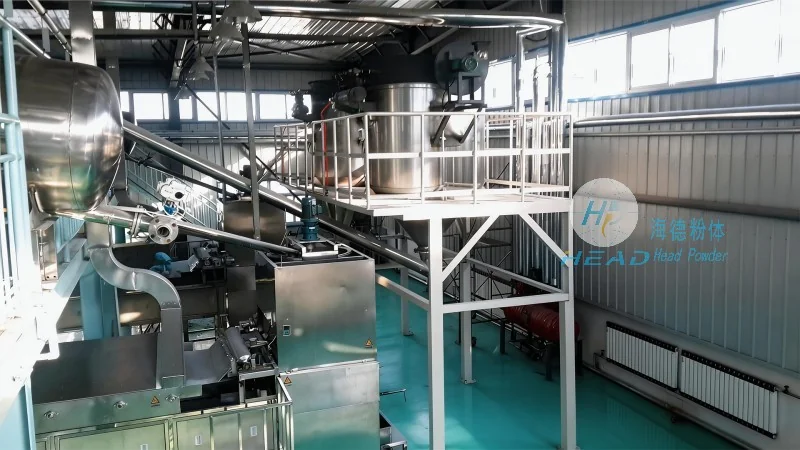
Understanding the Risks of Pipeline Blockages in Potassium Sulfate Conveying
Potassium sulfate, with its specific physical and chemical properties, can pose unique challenges during pneumatic conveying. The material's particle size distribution, moisture content, and flow characteristics can influence how it behaves within the conveying pipeline. Blockages can occur due to factors such as agglomeration, excessive moisture leading to clumping, or improper air flow rates. These issues not only halt the conveying process but also increase the risk of equipment damage and safety hazards. Therefore, implementing effective preventive measures is critical to maintaining smooth operations and extending the lifespan of the conveying system.
Key Design Parameters for Preventing Blockages in Pneumatic Conveying Systems
Several key design parameters must be carefully considered when designing a pneumatic conveying system for potassium sulfate to minimize the risk of blockages. The first parameter is the air velocity, which directly impacts the material's suspension and flow. Insufficient air velocity can cause particles to settle and accumulate, leading to blockages, while excessive velocity may increase energy consumption and wear on components. Engineers typically recommend maintaining an air velocity within a specific range, often determined by the material's properties and the system's configuration. For potassium sulfate, a velocity range of 20-30 meters per second is commonly used to ensure proper suspension without excessive energy use.
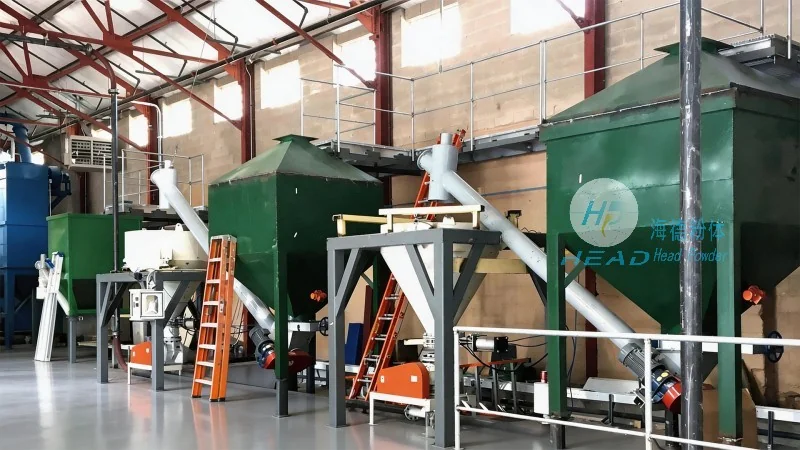
The second critical parameter is the pipeline diameter. The diameter of the conveying pipeline plays a significant role in the material's flow and the risk of blockages. Smaller diameters increase the likelihood of particle accumulation and blockages, as the material has less space to move freely. Conversely, excessively large diameters can lead to higher energy consumption and increased costs. The optimal diameter is determined by the material's flow rate, particle size, and the desired conveying distance. For potassium sulfate, a pipeline diameter of 100-150 millimeters is often recommended for efficient and blockage-free operation.
The third parameter is the material's flow rate and feed method. The rate at which potassium sulfate is fed into the system affects the air-material ratio and the overall system performance. An improper feed rate can disrupt the balance between air and material, leading to blockages. Continuous and controlled feeding is preferred over batch feeding to maintain a stable flow. Additionally, the use of feeders such as rotary valves or screw feeders can help regulate the material flow and prevent surges that might cause blockages.
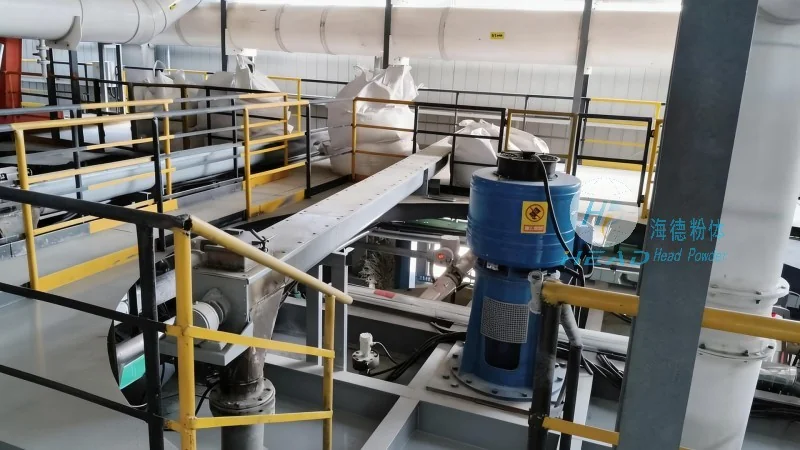
Another important design parameter is the air pressure and system configuration. The pressure of the air used in the conveying system influences the material's movement and the risk of blockages. Higher air pressure can help maintain material suspension but may increase energy costs and equipment wear. The system configuration, including the number of conveying lines, bends, and valves, also impacts the flow and the likelihood of blockages. Properly designed bends and smooth transitions are essential to prevent material from settling or accumulating at high points in the pipeline.
The Role of HeadPowder in Designing Effective Pneumatic Conveying Systems
Shandong HeadPowder Engineering Co., Ltd., a leading provider of material handling solutions, specializes in designing and manufacturing pneumatic conveying systems tailored to the unique needs of potassium sulfate and other bulk materials. With years of experience in the industry, HeadPowder understands the critical factors that contribute to efficient and blockage-free operation. The company's team of engineers employs advanced engineering principles and material testing to ensure that each system is optimized for the specific application. By considering factors such as air velocity, pipeline diameter, and material properties, HeadPowder designs systems that minimize the risk of blockages and maximize operational efficiency.
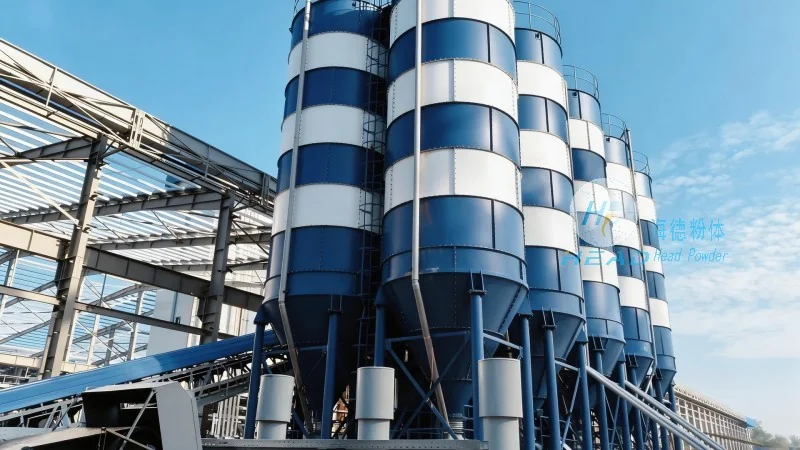
HeadPowder's approach to system design involves a comprehensive analysis of the customer's requirements, including the material's characteristics, conveying distance, and desired throughput. The company uses state-of-the-art software to simulate the system's performance and identify potential issues before installation. This proactive approach helps in avoiding costly blockages and downtime during operation. Additionally, HeadPowder provides ongoing support and maintenance services to ensure that the system continues to operate efficiently over its lifespan.
Conclusion: Optimizing Pneumatic Conveying Systems for Potassium Sulfate
Preventing pipeline blockages in pneumatic conveying systems for potassium sulfate requires careful consideration of several key design parameters. By optimizing air velocity, pipeline diameter, material flow rate, and system configuration, operators can significantly reduce the risk of blockages and improve the overall efficiency of their material handling processes. Companies like Shandong HeadPowder Engineering Co., Ltd. play a vital role in providing expert design and support to achieve these goals. With their expertise and commitment to quality, HeadPowder helps clients maintain smooth operations and maximize the performance of their pneumatic conveying systems, ensuring reliable and cost-effective transportation of potassium sulfate.