Efficient and reliable fertilizer material conveying is a critical component of modern agricultural operations, ensuring that bulk materials are transported safely and efficiently from production sites to storage or distribution centers. The process involves a series of interconnected components and controlled mechanisms that work together to maintain optimal performance under various operational conditions.
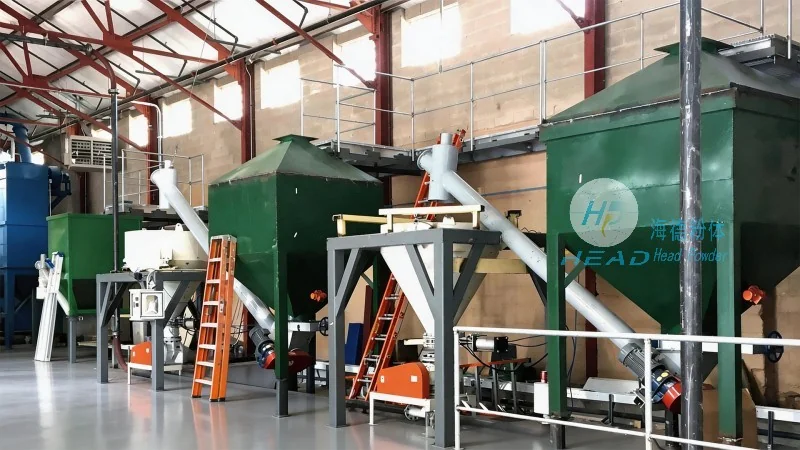
Key Components and Their Roles in Fertilizer Conveying Systems
The core of any fertilizer material conveying system consists of several key components, each with a specific function to ensure smooth operation. The primary components include feeders, which regulate the initial flow of material into the system; conveyors, such as belt conveyors, screw conveyors, or pneumatic systems, which transport the material through the process; control systems, which monitor and adjust parameters like speed, pressure, and flow rate; and safety mechanisms, which prevent accidents and protect personnel and equipment.
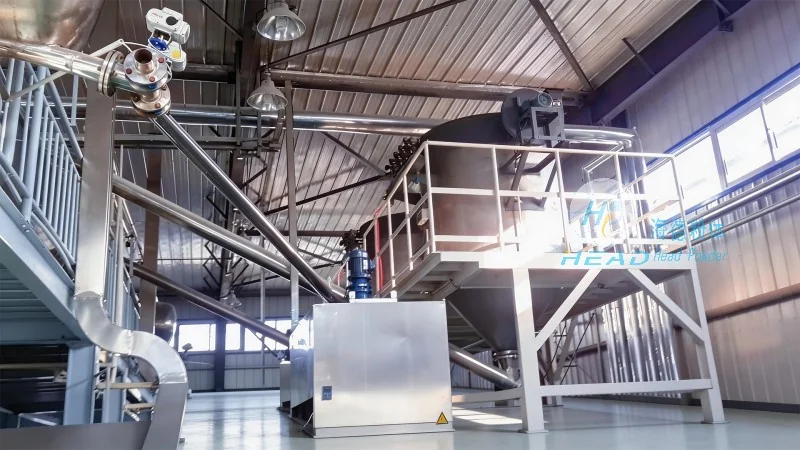
The Operation Process: A Step-by-Step Overview
The operation of a fertilizer material conveying system typically follows a structured sequence to ensure consistent and efficient material handling. The process begins with material feeding, where bulk fertilizer is introduced into the system via hoppers or feeders. This initial step is crucial for maintaining a steady flow, as uneven feeding can lead to blockages or inefficiencies. Once the material is fed, it moves into the primary conveying stage, where it is transported through the system using mechanical or pneumatic forces. For example, belt conveyors use rotating drums and idlers to move material along a continuous belt, while screw conveyors rely on rotating screws to push material forward. After the primary transport, the material may pass through additional processing stages, such as screening or mixing, before being transferred to storage silos or further processing units. The final stage involves the discharge of material from the system, where it is collected and prepared for distribution or use. Throughout this process, control systems continuously monitor key parameters, adjusting the operation to maintain optimal performance and prevent issues like overloading or material buildup.
Working Principle: How It Ensures Efficient Material Transport
The working principle of fertilizer material conveying systems is based on the application of mechanical force and controlled pressure to move bulk materials through a defined path. For mechanical conveyors, the principle involves the use of rotating components, such as belts or screws, to generate the necessary force to move material. Belt conveyors, for instance, use the friction between the belt and the material to pull it along the path, while screw conveyors use the helical screw to push material forward. Pneumatic conveying systems, on the other hand, rely on compressed air to create a pressure differential that propels the material through a pipeline. The control systems in these systems play a vital role by regulating the flow of air or the speed of mechanical components, ensuring that the material is transported at the desired rate and without excessive pressure or friction. This combination of mechanical and pneumatic forces, along with precise control, allows the system to maintain high efficiency and reliability, even when handling materials with varying properties, such as different particle sizes or moisture content.
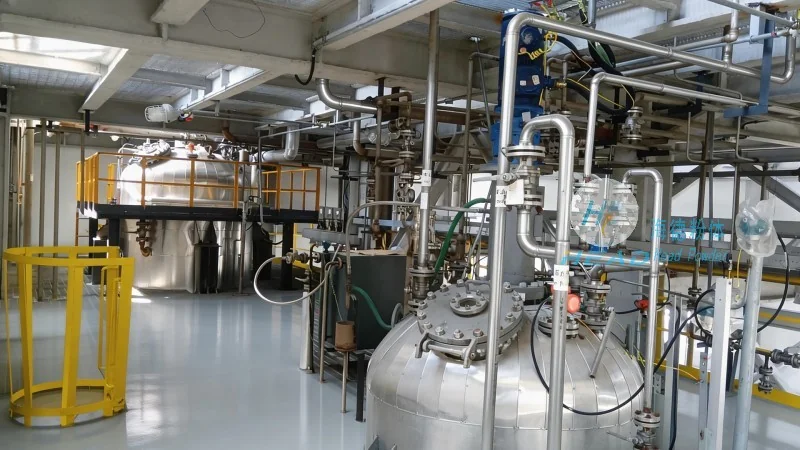
Company Profile: Shandong HeadPowder Engineering Co., Ltd.
Shandong HeadPowder Engineering Co., Ltd., commonly known as HeadPowder, is a leading manufacturer and supplier of specialized conveying systems for the fertilizer industry. With its headquarters located in Shandong, China, the company has established itself as a trusted partner for businesses seeking reliable and efficient solutions for material handling. HeadPowder specializes in designing and manufacturing a wide range of conveying equipment, including belt conveyors, screw conveyors, and pneumatic systems, tailored to meet the specific needs of fertilizer production and processing facilities. The company's products are known for their durability, efficiency, and adaptability, making them suitable for various applications, from small-scale farms to large industrial fertilizer plants. HeadPowder's commitment to quality and innovation has enabled it to serve clients across China and beyond, providing them with the tools they need to optimize their material handling processes and improve overall operational efficiency.




