

Operation Process and Working Principle of Wood Chip Material Conveying
Wood chip material conveying systems are essential in various industrial applications, particularly in the wood processing and biomass energy sectors. These systems are designed to efficiently transport wood chips from one location to another, ensuring smooth and reliable operation. The process involves several key components and mechanisms that work in tandem to achieve optimal performance. Understanding the operation process and working principles of such systems is crucial for operators and engineers to maintain efficiency and safety.
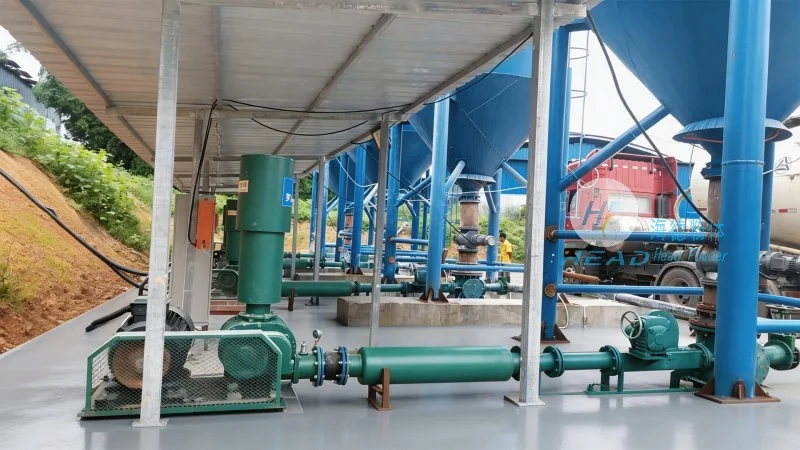
Key Components of Wood Chip Conveying Systems
The core components of a wood chip conveying system typically include a hopper or feed hopper, a conveyor mechanism (such as a screw conveyor, belt conveyor, or pneumatic conveyor), a drive system, and control mechanisms. The hopper is responsible for storing and feeding the wood chips into the conveyor. The conveyor itself transports the material through the system, while the drive system provides the necessary power to move the material. Control mechanisms, including sensors and valves, regulate the flow and speed of the wood chips to prevent overloading or blockages.
Operation Process of Wood Chip Conveying
The operation process of a wood chip conveying system begins with the loading of wood chips into the hopper. The hopper is designed to hold a sufficient quantity of material to ensure continuous feeding. Once the hopper is filled, the feed mechanism (often a rotary valve or gate) releases the wood chips into the conveyor. The conveyor then transports the wood chips along its path, which may include vertical or horizontal sections depending on the system design. In vertical conveyors, the material is lifted using a screw or belt mechanism, while horizontal conveyors move the material across a horizontal plane. The speed and capacity of the conveyor are controlled by the drive system, which adjusts based on the material load and system requirements. At the discharge end, the wood chips are deposited into a collection bin or processing unit. The entire process is monitored by control systems that ensure smooth operation and prevent issues such as blockages or overloading.
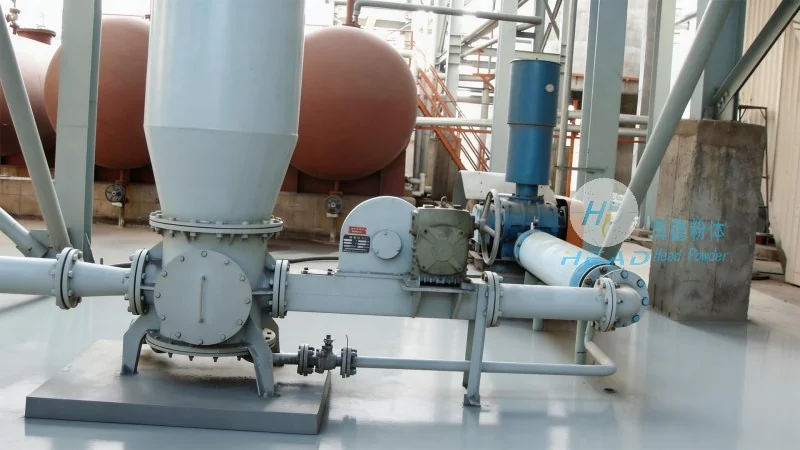
Working Principles of Different Conveying Technologies
There are several technologies used in wood chip conveying, each with its own working principles. Screw conveyors, for example, use a rotating screw to push the wood chips forward. The screw's pitch and speed determine the conveying capacity. Belt conveyors use a continuous belt that moves the material along its surface. Pneumatic conveyors, on the other hand, use air pressure to transport the wood chips through a pipeline. Each technology has advantages and disadvantages, depending on the specific application and material characteristics. For instance, screw conveyors are suitable for handling dry wood chips with minimal dust, while pneumatic conveyors are better for transporting fine or dusty materials.
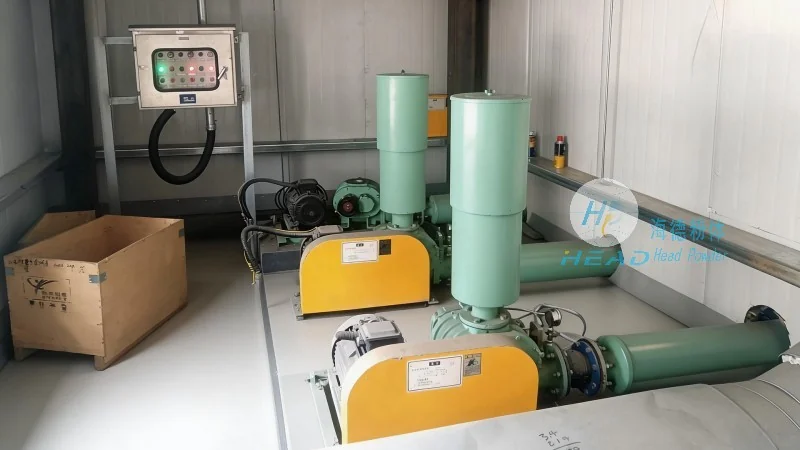
Role of Shandong HeadPowder Engineering Co., Ltd. in Wood Chip Conveying Solutions
Shandong HeadPowder Engineering Co., Ltd., a leading manufacturer in the field, specializes in designing and manufacturing high-quality wood chip conveying systems. The company, often referred to as HeadPowder, utilizes advanced engineering and manufacturing techniques to ensure that their systems meet the highest standards of performance and reliability. With a focus on customer needs and industry requirements, HeadPowder provides tailored solutions that address the specific challenges of wood chip handling. The company's expertise in material handling and conveyor technology allows them to develop systems that are efficient, durable, and easy to maintain. By incorporating the latest innovations and technologies, HeadPowder ensures that their products are at the forefront of the industry, providing long-term value to their clients.
Maintenance and Optimization of Wood Chip Conveying Systems
Maintaining the efficiency and longevity of wood chip conveying systems is essential for optimal performance. Regular maintenance, including cleaning, lubrication, and inspection of components, is crucial to prevent issues such as blockages, wear, and breakdowns. The control systems play a vital role in monitoring the system's performance and alerting operators to any potential problems. By regularly checking the conveyor speed, material flow, and system pressure, operators can identify and address issues before they escalate. Additionally, optimizing the system's settings, such as adjusting the feed rate or conveyor speed, can improve efficiency and reduce energy consumption. Proper maintenance and optimization not only extend the lifespan of the equipment but also ensure consistent and reliable operation, which is critical for maintaining productivity in wood processing and biomass energy applications.