For agricultural and waste management operations, the efficient transport of dry manure material is crucial for maintaining productivity and environmental compliance. This article provides an in-depth look at the operation process and working principle of dry manure material transport systems, highlighting the key components and mechanisms that enable effective material handling. The discussion is based on the expertise of Shandong HeadPowder Engineering Co., Ltd., a leading provider in this field.
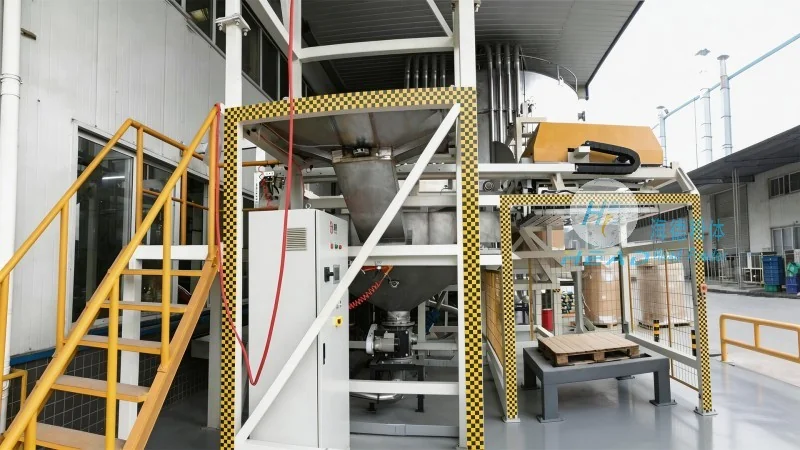
Overview of Dry Manure Material Transport Systems
Dry manure material transport systems are designed to handle bulk dry manure, often from livestock operations, and move it to storage or processing facilities. These systems typically consist of several key components, including feed hoppers, conveyor mechanisms, and control systems. The primary goal is to ensure that the material is transported safely, efficiently, and with minimal loss or contamination. The design of these systems must consider factors such as material properties, volume, and the distance to be covered, as well as compliance with local regulations regarding waste handling.
Working Principle of Dry Manure Material Transport
The working principle of dry manure material transport revolves around the mechanical movement of the material through a series of components. The process begins with the material being loaded into a feed hopper, which may be equipped with a feeding mechanism like a screw or auger to ensure a consistent flow. From the hopper, the material is transferred to a conveyor system, which can be a belt conveyor, screw conveyor, or pneumatic conveyor, depending on the system design. The conveyor system uses mechanical force to move the material forward, often under controlled pressure and speed to prevent spillage or blockages. At various points along the conveyor, there may be additional components such as classifiers or separators to remove foreign objects or separate different types of material. The control system monitors the entire process, adjusting the speed of the conveyor and the feeding rate to maintain optimal performance and prevent overloading.
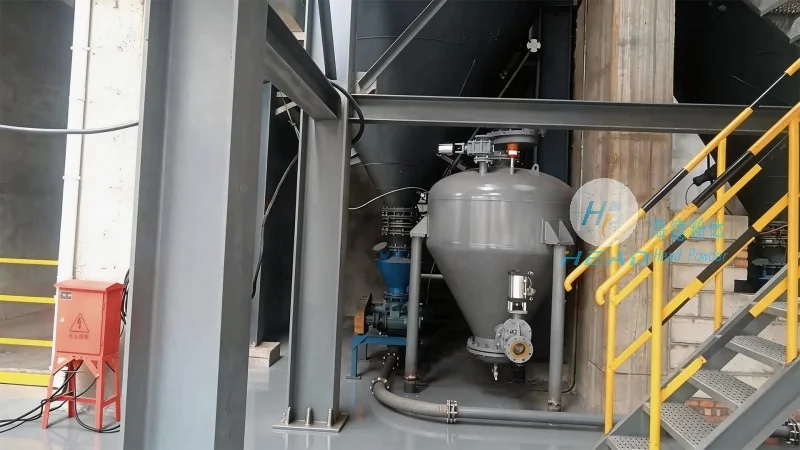
Operation Process of Dry Manure Material Transport
The operation process of a dry manure material transport system involves several sequential steps that ensure smooth and continuous material handling. First, the system is prepared for operation, which includes checking the condition of all components, ensuring proper lubrication, and verifying that the control system is functioning correctly. Next, the material is loaded into the feed hopper, either manually or through an automated feeding system. Once the hopper is filled, the feeding mechanism activates, moving the material into the conveyor system. The conveyor then transports the material to the desired destination, such as a storage silo or processing plant. Throughout the process, the control system continuously monitors parameters like temperature, pressure, and material flow rate, providing real-time feedback to operators. If any issues are detected, such as a blockage or abnormal flow, the system will automatically shut down or adjust its operation to prevent damage. The entire process is designed to be automated to a large extent, reducing the need for manual intervention and increasing operational efficiency.
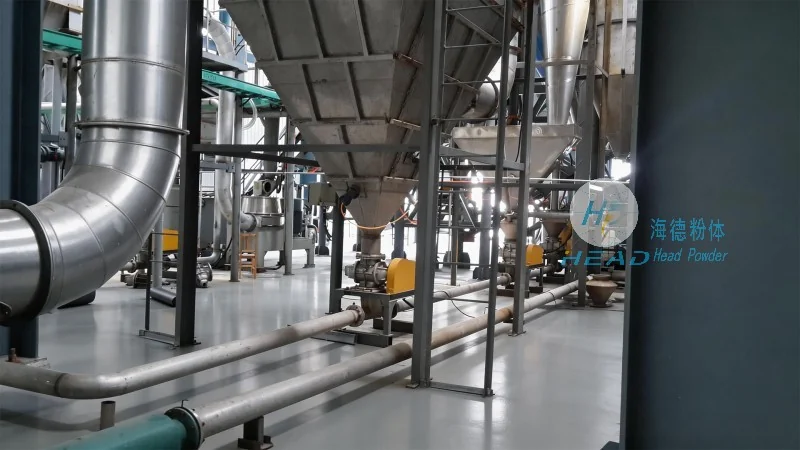
Key Components and Their Functions
Several key components are integral to the effective operation of dry manure material transport systems. The feed hopper is the first component, responsible for receiving and storing the dry manure material. It is typically designed with a sloped bottom to facilitate material flow and may include a feeding mechanism to ensure a consistent feed rate. The conveyor system, which can be a belt conveyor, screw conveyor, or pneumatic conveyor, is the core of the transport process. It uses mechanical energy to move the material from the hopper to the destination. Belt conveyors are common for horizontal or slightly inclined transport, while screw conveyors are suitable for vertical or inclined movement. Pneumatic conveyors use air pressure to transport material, which is effective for fine or dusty materials. The control system is another critical component, as it manages the entire operation, monitors performance, and responds to any issues that may arise. It may include sensors, valves, and a control panel to ensure the system operates safely and efficiently.
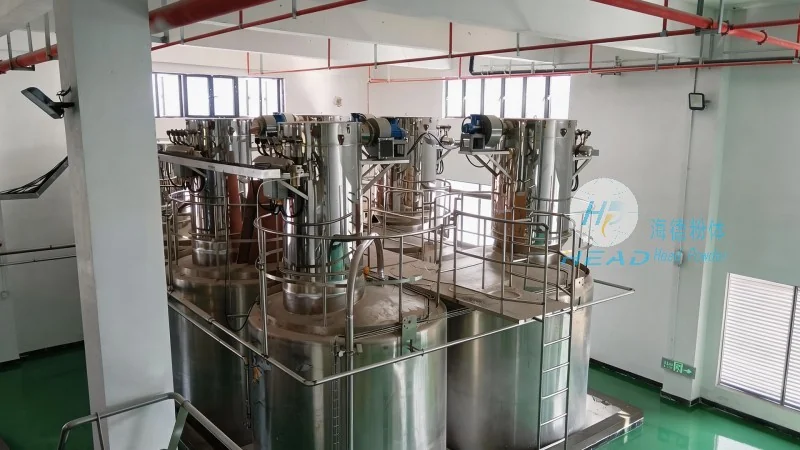
Benefits and Applications of Dry Manure Material Transport
The implementation of dry manure material transport systems offers several benefits for agricultural and waste management operations. These systems improve operational efficiency by automating the material handling process, reducing labor costs and the risk of human error. They also enhance safety by minimizing the need for manual handling of heavy or bulky materials, which can reduce the risk of injuries. Additionally, these systems help maintain environmental compliance by ensuring that the material is transported without spillage or contamination, which can prevent soil or water pollution. The systems are widely used in livestock farms, where they help manage manure from cattle, pigs, and other animals. They are also used in composting facilities and waste processing plants, where the dry manure is processed into valuable products like fertilizer or biogas. The versatility of these systems allows them to be adapted to various applications, making them a valuable asset for any operation that handles dry manure material.
Conclusion
In conclusion, the operation process and working principle of dry manure material transport systems are designed to provide efficient, safe, and environmentally responsible handling of dry manure material. The systems, developed by companies like Shandong HeadPowder Engineering Co., Ltd., incorporate advanced components and control mechanisms to ensure optimal performance. By understanding the key components and operation process, operators can effectively manage their dry manure material transport systems, improving productivity and compliance with regulations. The continued development of these systems will likely lead to even more efficient and sustainable solutions for the agricultural and waste management industries.




