

Operation Process and Working Principle of High-Alumina Fly Ash Material Conveying
High-alumina fly ash, a byproduct of coal combustion in thermal power plants, presents unique challenges in material handling due to its high temperature, abrasive nature, and potential for dust generation. Efficient and reliable conveying systems are critical for industrial applications that require the transport of this material from storage or processing facilities to downstream units. This article provides an in-depth exploration of the operation process and working principle of high-alumina fly ash material conveying systems, highlighting key components, operational steps, and technical considerations that ensure safe and effective material transport.
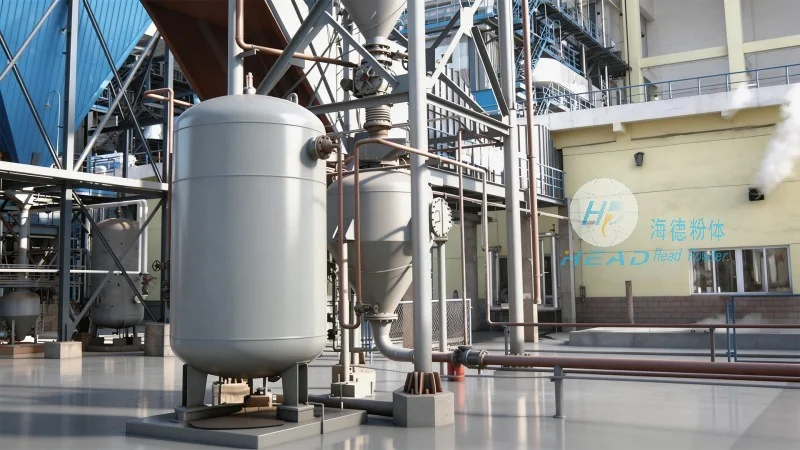
Introduction to High-Alumina Fly Ash Material Conveying
High-alumina fly ash, also known as aluminous fly ash, is characterized by its high content of aluminum oxide (Al₂O₃) and is often used in cement production, concrete additives, and other industrial applications. The material is typically hot and abrasive, requiring specialized equipment to handle without degradation or equipment wear. Conveying systems for high-alumina fly ash must be designed to withstand high temperatures, resist corrosion, and minimize dust emissions to comply with environmental regulations. The operation process involves several stages, from material intake to discharge, each requiring precise control and maintenance to ensure optimal performance.
Company Overview: Shandong HeadPowder Engineering Co., Ltd.
Shandong HeadPowder Engineering Co., Ltd., a leading provider of material handling solutions, specializes in designing and manufacturing customized conveying systems for high-alumina fly ash and other challenging materials. With years of experience in the industry, the company has developed advanced technologies and expertise to address the unique demands of fly ash transport. HeadPowder's solutions are engineered to enhance efficiency, reduce operational costs, and ensure compliance with safety and environmental standards. The company's commitment to quality and innovation has made it a trusted partner for power plants, cement manufacturers, and other industrial clients seeking reliable material handling solutions.
Key Components of High-Alumina Fly Ash Conveying Systems
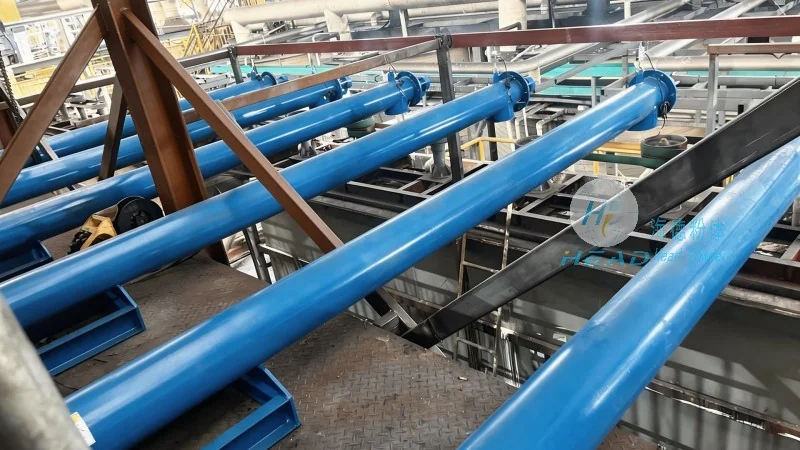
The high-alumina fly ash conveying system typically consists of several critical components that work in tandem to ensure smooth material transport. These include intake hoppers, feeders, conveyor belts or pipes, temperature control systems, and discharge mechanisms. Each component plays a vital role in the overall operation, and their proper integration is essential for system efficiency.
Intake hoppers are designed to collect and store the fly ash from storage silos or processing units. They are equipped with temperature sensors and insulation to prevent heat loss and maintain the material's temperature. Feeders, such as rotary valves or screw conveyors, regulate the flow of fly ash into the conveyor system, ensuring a consistent and controlled feed rate. Conveyor belts or pipes are the primary means of transporting the material, with options including belt conveyors for bulk material handling or pneumatic conveying systems for dust-free transport. Temperature control systems, such as water-cooled jackets or air cooling, are integrated to manage the high temperatures of the fly ash and prevent equipment damage. Discharge mechanisms, such as rotary valves or gate valves, control the release of the material to downstream units, ensuring precise and controlled discharge.
Operation Process of High-Alumina Fly Ash Conveying
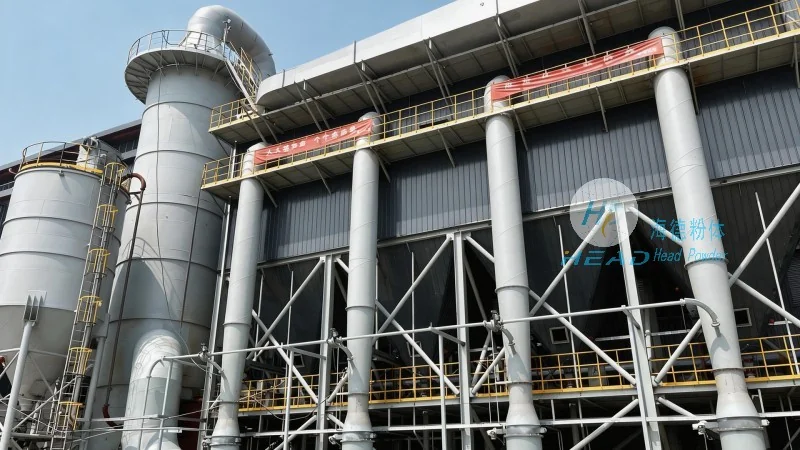
The operation process of high-alumina fly ash material conveying involves a series of sequential steps that ensure the material is transported safely and efficiently. The process begins with the intake of fly ash from storage facilities into the intake hopper. The material is then fed into the conveyor system through a feeder, which regulates the flow rate. The conveyor belt or pipe transports the fly ash to the discharge point, where it is released into the next processing unit. Throughout the process, temperature and pressure sensors monitor the system to detect any abnormalities, such as overheating or blockages. The system is equipped with safety features, such as emergency stop buttons and dust suppression systems, to prevent accidents and ensure worker safety.
During operation, the conveyor system operates continuously, with regular maintenance checks to ensure optimal performance. The feed rate is adjusted based on the demand of the downstream unit, and the temperature of the fly ash is monitored to prevent degradation. The system is designed to handle varying material loads, from low to high, and can be adjusted to accommodate changes in production rates. The operation process is automated to minimize human intervention, reducing the risk of errors and improving overall efficiency.
Working Principle of High-Alumina Fly Ash Conveying Systems
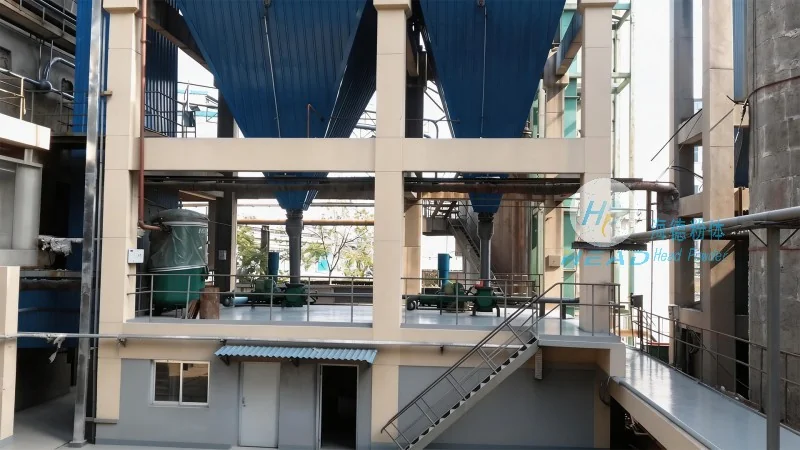
The working principle of high-alumina fly ash conveying systems is based on the principles of mechanical transport and heat management. The system uses a combination of gravity, pressure, and mechanical force to move the material through the conveyor. The intake hopper collects the fly ash and feeds it into the conveyor through a feeder. The conveyor belt or pipe transports the material using a motor-driven system, which provides the necessary force to move the material. Temperature control systems are integrated to manage the high temperatures of the fly ash, preventing equipment damage and ensuring the material remains in its optimal state. The discharge mechanism releases the material into the next processing unit, completing the transport cycle.
The system operates on a closed-loop principle, where the material is continuously transported from the intake to the discharge point. The feed rate is controlled by the feeder, which adjusts the flow based on the demand of the downstream unit. The temperature of the fly ash is monitored and controlled to prevent degradation, ensuring the material's quality is maintained. The system is designed to be energy-efficient, with minimal power consumption and low maintenance costs. The working principle is based on proven technologies, with continuous improvements to enhance performance and reliability.