

Operation Process and Working Principle of Ore Sand Material Conveying
Efficient and reliable ore sand material conveying is a critical component in various industrial applications, particularly in mining, construction, and material processing sectors. The smooth operation of these systems ensures optimal material handling, reduces downtime, and enhances overall productivity. This article provides a detailed overview of the operation process and working principle of ore sand material conveying systems, highlighting the key components, operational steps, and technical aspects that contribute to their effectiveness.
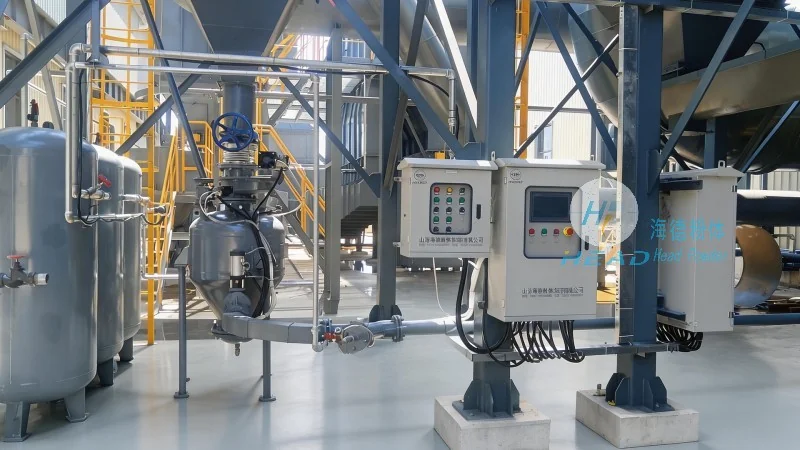
About Shandong HeadPowder Engineering Co., Ltd.
Shandong HeadPowder Engineering Co., Ltd., commonly known as headpowder, is a leading manufacturer and supplier of advanced material handling solutions. With a strong commitment to innovation and quality, the company specializes in designing, manufacturing, and installing conveyor systems tailored to the specific needs of clients in the mining, construction, and industrial sectors. HeadPowder's expertise lies in developing robust and efficient conveying systems that can handle various types of ore sand materials with precision and reliability.
Key Components of Ore Sand Material Conveying Systems
The operation of ore sand material conveying systems involves several essential components that work in tandem to ensure seamless material transport. These components include feeders, conveyors (such as belt conveyors, screw conveyors, or bucket elevators), control systems, and safety mechanisms. Each component plays a crucial role in the overall functionality of the system. For instance, feeders are responsible for uniformly distributing the ore sand material onto the conveyor belt, preventing overloading and ensuring consistent flow. The conveyor itself, whether it is a belt conveyor or a screw conveyor, is designed to transport the material from the source to the destination. Control systems, often equipped with sensors and automation technology, monitor the system's performance and adjust parameters as needed to maintain optimal operation. Safety mechanisms, including emergency stop buttons and protective guards, ensure the safety of operators and prevent accidents during operation.
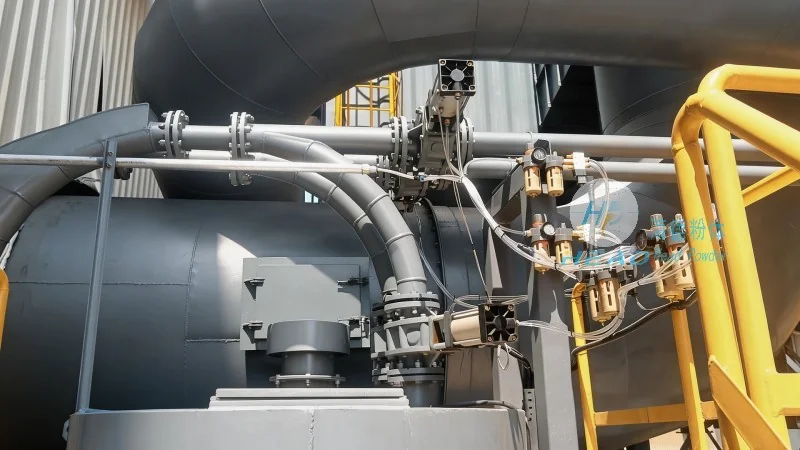
The Operation Process of Ore Sand Material Conveying
The operation process of ore sand material conveying typically involves several sequential steps. First, the ore sand material is fed into the system through a hopper or feeder. The feeder ensures that the material is evenly distributed and at a controlled rate, preventing blockages and ensuring smooth flow. Next, the material is transported by the conveyor system to the desired location. The conveyor may be a belt conveyor, which uses a continuous belt to move the material, or a screw conveyor, which uses a rotating screw to push the material forward. In some cases, a bucket elevator may be used to lift the material vertically. The material is then discharged at the end of the conveyor, where it can be further processed or stored. Throughout the process, the control system continuously monitors the flow rate, pressure, and other parameters to ensure that the system operates within safe and efficient limits. If any issues arise, such as a blockage or a change in material characteristics, the control system triggers alerts or corrective actions to maintain the system's stability.
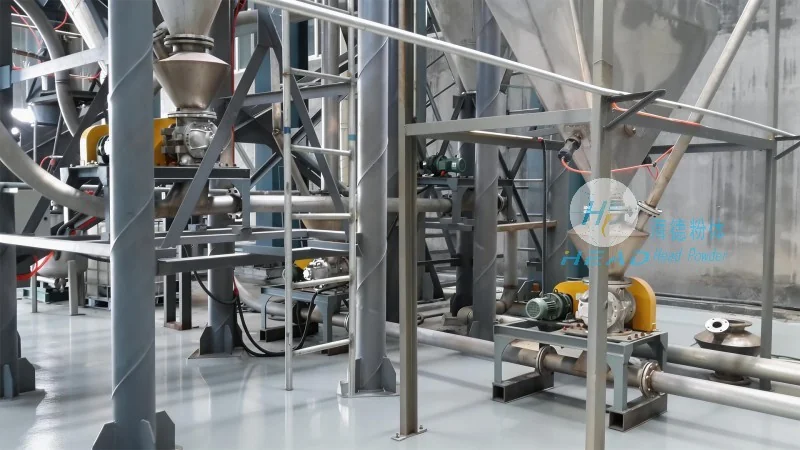
Working Principle of Ore Sand Material Conveying Systems
The working principle of ore sand material conveying systems is based on the application of mechanical forces to move the material from one point to another. The primary mechanism involves the use of a conveyor belt or screw, which is driven by a motor to create motion. In belt conveyors, the belt is looped over pulleys, with one pulley driven by a motor. As the motor rotates the pulley, the belt moves, and the material placed on the belt is carried along with it. The speed of the belt can be adjusted to control the flow rate of the material. In screw conveyors, a rotating screw inside a tube pushes the material forward. The pitch and speed of the screw determine the capacity and efficiency of the conveyor. The control system regulates the motor speed to adjust the conveying rate according to the material's characteristics and the system's requirements. Additionally, the system may incorporate gravity or pneumatic components to assist in material movement, especially in vertical or inclined applications. The working principle emphasizes the importance of maintaining consistent material flow, proper alignment of components, and regular maintenance to ensure the system's long-term performance and reliability.
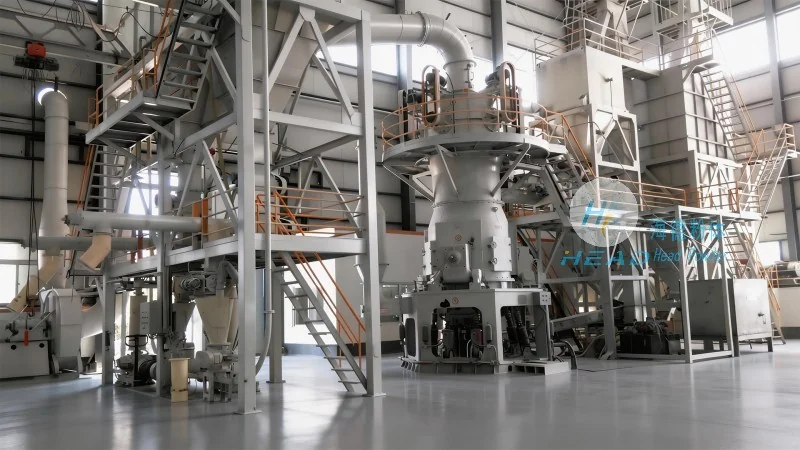
Benefits of Efficient Ore Sand Material Conveying
Efficient ore sand material conveying systems offer numerous benefits to industrial operations. Firstly, they enhance productivity by reducing material handling time and minimizing downtime. By ensuring a continuous and smooth flow of ore sand, these systems allow for higher throughput and improved operational efficiency. Secondly, they improve safety by incorporating safety mechanisms that prevent accidents and ensure operator protection. The use of automated control systems also reduces the risk of human error, leading to more consistent and reliable operation. Thirdly, efficient conveying systems help in reducing energy consumption and operational costs. By optimizing the conveyor speed and flow rate, the system minimizes energy waste and lowers maintenance expenses. Additionally, these systems contribute to better environmental management by preventing material spillage and reducing dust emissions. Overall, the benefits of efficient ore sand material conveying systems make them indispensable in modern industrial applications.
Conclusion
In conclusion, ore sand material conveying systems are essential for the smooth operation of various industrial processes, particularly in mining and material processing. The operation process involves the coordinated action of several components, including feeders, conveyors, and control systems, working together to transport ore sand from the source to the destination. The working principle is based on mechanical forces applied through conveyor belts or screws, with the control system ensuring optimal performance and safety. Shandong HeadPowder Engineering Co., Ltd. specializes in providing advanced and reliable ore sand material conveying solutions that meet the diverse needs of clients. By understanding the operation process and working principle of these systems, industries can enhance their productivity, safety, and operational efficiency, leading to better overall performance and success.