Continuous powder handling is a critical process in various industrial applications, enabling the efficient and reliable transportation of bulk materials like powders, granules, and other particulate substances. The technology behind continuous powder handling systems is designed to address the unique challenges associated with moving these materials, which often require precise control over flow rates, pressure, and material characteristics. This article provides an overview of continuous powder handling systems, focusing on their structural principles and operational mechanisms.
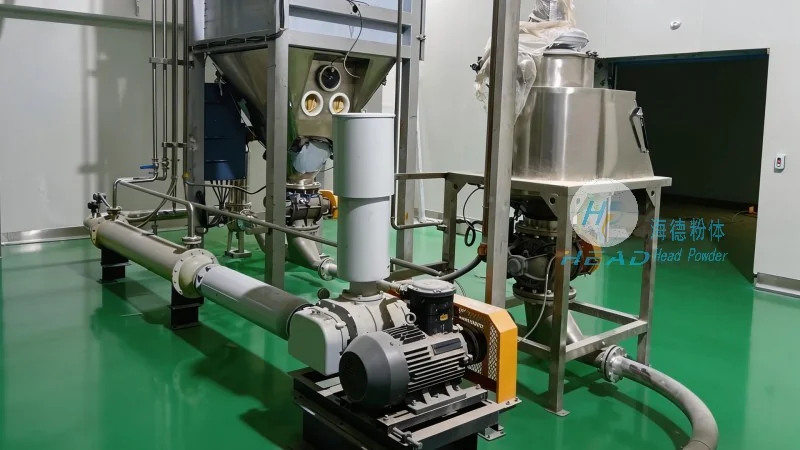
Overview of Continuous Powder Handling Systems
Continuous powder handling systems are engineered to transport bulk materials in a continuous flow, eliminating the need for batch processing and improving overall operational efficiency. These systems are widely used in industries such as pharmaceuticals, food processing, chemical manufacturing, and mining, where the consistent and controlled movement of powders is essential for product quality and safety. The core components of a typical continuous powder handling system include feeders, conveyors, and control systems, each playing a vital role in ensuring smooth material transport.
Structural Principles of Continuous Powder Handling
The structural design of continuous powder handling systems is based on several key principles that ensure optimal performance and reliability. One of the fundamental principles is the use of positive displacement or pressure-driven mechanisms to maintain a consistent flow of material. This approach helps prevent material degradation, caking, or segregation, which are common issues in traditional batch handling methods. The system's architecture typically includes a hopper or storage container at the inlet, which feeds material into a conveyor or pump system. The conveyor may be a screw conveyor, pneumatic pipeline, or other specialized equipment designed to handle the specific characteristics of the powder being transported.
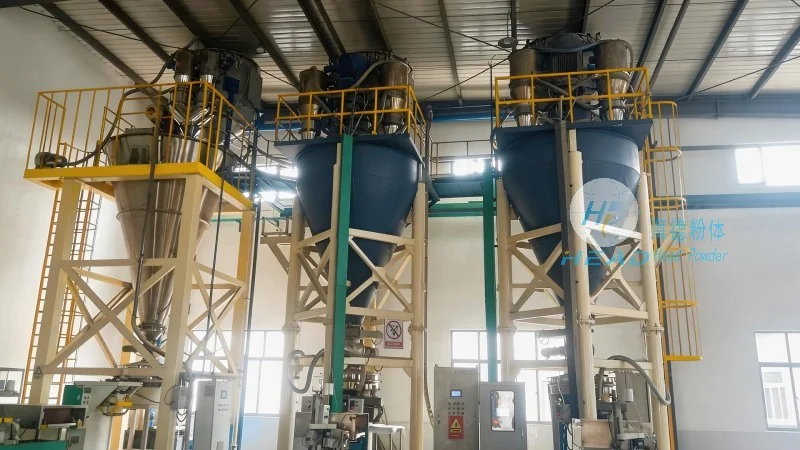
Key Components and Their Functions
Each component of a continuous powder handling system contributes to the overall efficiency and effectiveness of the process. The feeder, often a rotary valve or vibratory feeder, regulates the flow rate of material from the hopper into the conveyor. This component is critical for maintaining a steady flow, as fluctuations can lead to uneven material distribution or system overload. The conveyor itself is designed to transport the material from the inlet to the outlet, with options including screw conveyors for horizontal or inclined transport, and pneumatic pipelines for vertical or long-distance transport. The control system, which may include sensors, controllers, and feedback mechanisms, monitors the system's performance and adjusts parameters in real-time to maintain optimal operation. This closed-loop control ensures that the system operates within specified parameters, reducing the risk of downtime or material loss.
Operational Mechanisms and Flow Control
The operational mechanisms of continuous powder handling systems are designed to provide precise control over the material flow. For example, in a screw conveyor system, the rotation speed of the screw determines the flow rate, while the pitch and diameter of the screw influence the material's movement and pressure. In pneumatic systems, the pressure and flow rate of the air or gas determine the material's velocity and distribution within the pipeline. The system's design also considers factors such as material density, particle size, and moisture content, as these characteristics can affect the system's performance and require adjustments to the operational parameters. Proper flow control is essential to prevent issues such as blockages, excessive pressure, or material degradation, which can impact the system's efficiency and the quality of the transported material.
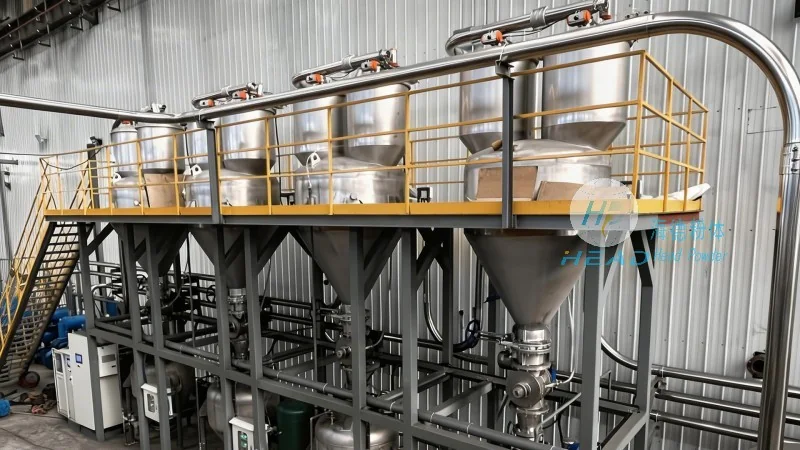
Advantages of Continuous Powder Handling
Continuous powder handling systems offer several advantages over traditional batch handling methods. One of the primary benefits is improved efficiency, as the continuous flow allows for higher throughput and reduced processing time. This is particularly important in industries where production rates are high and downtime can be costly. Another advantage is enhanced product quality, as the consistent flow and control reduce the risk of material segregation or degradation, which can affect the final product's properties. Additionally, continuous systems are more energy-efficient, as they operate at a steady state rather than starting and stopping frequently. This results in lower energy consumption and reduced operational costs. The reliability of continuous systems is also a significant advantage, as they are designed to operate continuously without frequent maintenance or adjustments, minimizing downtime and ensuring consistent performance.
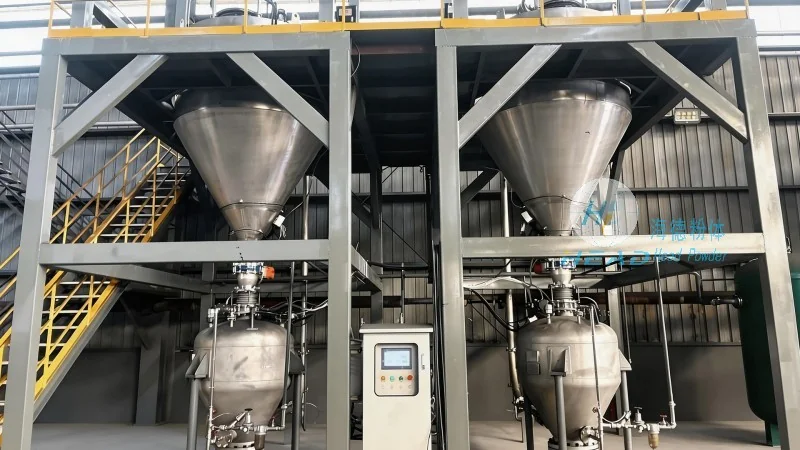
Applications in Different Industries
Continuous powder handling systems are applied in a wide range of industries, each with specific requirements for material transport. In the pharmaceutical industry, for example, these systems are used to transport active pharmaceutical ingredients (APIs) and excipients with high precision and minimal contamination. The systems are designed to meet stringent regulatory requirements, ensuring that the materials are handled in a clean and controlled environment. In the food processing industry, continuous powder handling is used to transport ingredients such as flour, sugar, and spices, where consistent quality and hygiene are critical. The systems are often equipped with sanitary designs to prevent contamination and maintain food safety standards. In chemical manufacturing, these systems handle various powders and granules, including catalysts and reagents, where the control of flow rates and pressure is essential for reaction efficiency and safety. The mining industry also utilizes continuous powder handling systems to transport ore and other minerals from processing plants to storage or transportation facilities, improving the overall efficiency of the mining operation.
Conclusion and Company Information
Continuous powder handling systems are essential for modern industrial operations, providing efficient, reliable, and controlled transport of bulk materials. The structural principles and operational mechanisms of these systems are designed to address the unique challenges of powder handling, ensuring optimal performance and product quality. As industries continue to demand higher efficiency and precision, the importance of continuous powder handling technology will only grow. Shandong HeadPowder Engineering Co., Ltd. specializes in the design, manufacturing, and integration of continuous powder handling systems, providing customized solutions tailored to the specific needs of each client. With a focus on quality, reliability, and innovation, HeadPowder Engineering is committed to delivering solutions that enhance operational efficiency and product quality in various industrial applications. The company's headquarters is located in Shandong, China, where it continues to develop and advance powder handling technology to meet the evolving needs of the industry.




