HeadPowder, a leading enterprise in the field of material handling technology, specializes in the design, manufacturing, and supply of advanced pneumatic conveying systems tailored for the lithium-ion battery industry. This article provides an overview of the equipment used in pneumatic conveying systems for lithium-ion battery positive and negative electrode materials, along with a detailed explanation of their structural principles and operational mechanisms.
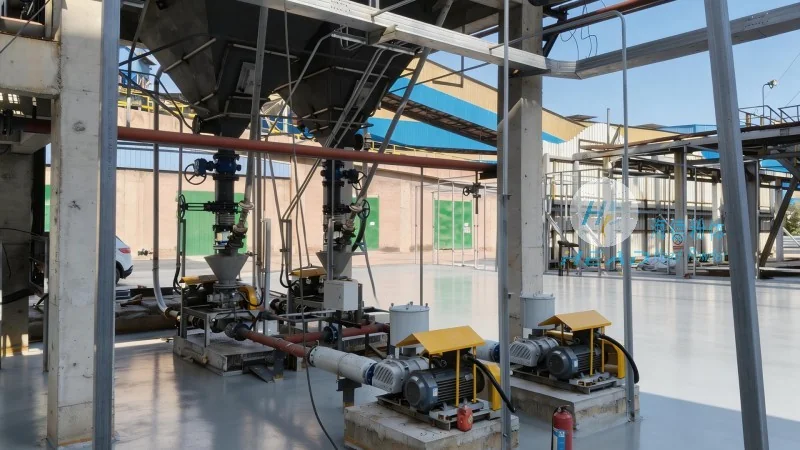
Overview of Pneumatic Conveying Systems for Lithium-Ion Battery Materials
As the demand for lithium-ion batteries continues to grow in various applications, including electric vehicles, renewable energy storage, and portable electronics, the efficient and safe handling of raw materials such as lithium cobalt oxide, lithium iron phosphate, and graphite for the positive and negative electrodes is crucial. Pneumatic conveying systems offer a reliable solution for transporting these materials from storage to processing units, ensuring minimal contamination and maintaining product integrity. The systems are designed to handle a wide range of material properties, from fine powders to bulk materials, making them versatile for different production stages in battery manufacturing.
Key Components of Pneumatic Conveying Equipment
The pneumatic conveying system for lithium-ion battery materials typically consists of several core components that work in tandem to achieve efficient material transport. These components include the material feed hopper, which stores and feeds the raw material into the system; the air compressor or blower, which generates the necessary air pressure to move the material; the conveying line, which can be either a rigid pipe or a flexible hose, depending on the system design; and the material discharge unit, which delivers the material to the processing equipment. Additionally, the system may incorporate accessories such as filters to remove dust and moisture, and control valves to regulate air flow and pressure.
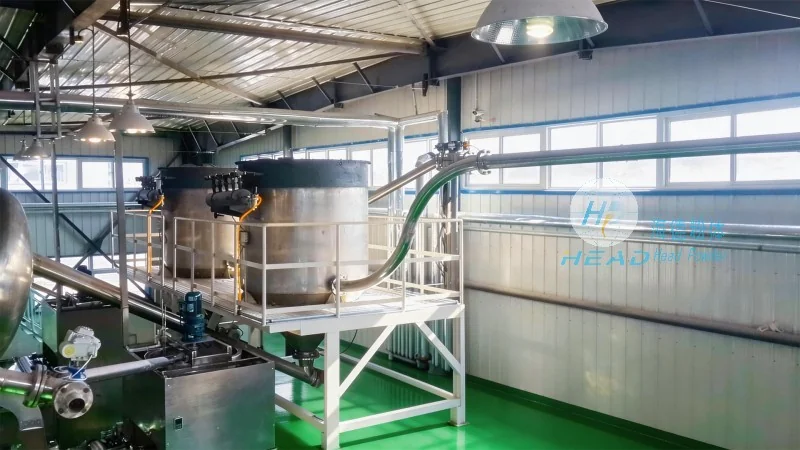
Structural Principles and Operational Mechanisms
The structural principles of pneumatic conveying systems are based on the interaction between the material particles and the air stream. In a typical system, the material is fed into the conveying line under a controlled pressure, and the air flow propels the particles forward. The design of the conveying line, including its diameter, length, and bends, is critical to maintaining the air velocity above the minimum required to prevent material settling. The system may operate in either a dilute-phase or dense-phase mode, depending on the material characteristics and the desired transport efficiency. In dilute-phase conveying, the material is suspended in the air stream, while in dense-phase conveying, the material is transported as a dense slug, which is more suitable for handling abrasive or sensitive materials.
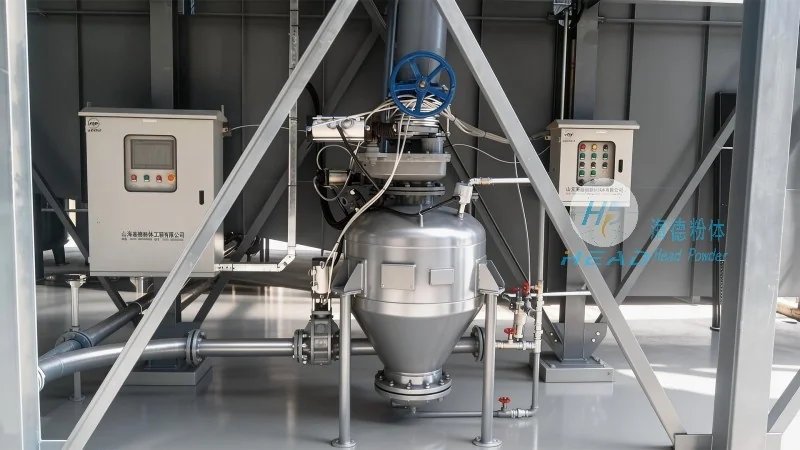
Advantages of Using Pneumatic Conveying Systems
Implementing pneumatic conveying systems for lithium-ion battery materials offers several advantages over traditional methods like belt conveyors or bucket elevators. These systems provide a closed-loop operation, which helps in controlling dust emissions and maintaining a clean working environment. The enclosed design also reduces the risk of material contamination from external sources, which is vital for high-purity battery materials. Furthermore, pneumatic conveying systems can handle materials with varying particle sizes and moisture content, making them adaptable to different production requirements. The flexibility in system design allows for easy integration with existing production lines, and the ability to transport materials over long distances without the need for multiple transfer points enhances overall operational efficiency.
HeadPowder's Expertise in Pneumatic Conveying Solutions
Shandong HeadPowder Engineering Co., Ltd., with its headquarters in Shandong, China, has established itself as a trusted provider of customized pneumatic conveying solutions for the lithium-ion battery industry. The company leverages years of experience and advanced engineering capabilities to design systems that meet the specific needs of clients, ensuring optimal performance and reliability. HeadPowder's team of engineers works closely with clients to understand their production processes and material characteristics, developing tailored solutions that enhance material handling efficiency and reduce operational costs. The company's commitment to quality and innovation has made it a preferred choice for manufacturers seeking reliable and efficient material transport systems for their battery production lines.




