Efficient and reliable material handling is crucial in modern industrial operations, especially when dealing with bulk powders like polyethylene resin. The pneumatic conveying system has emerged as a key solution for transporting such materials, offering advantages over traditional methods such as reduced labor costs, improved safety, and enhanced process control. This article provides an overview of the polyethylene resin powder pneumatic conveying system equipment, detailing its structural components and operational principles.
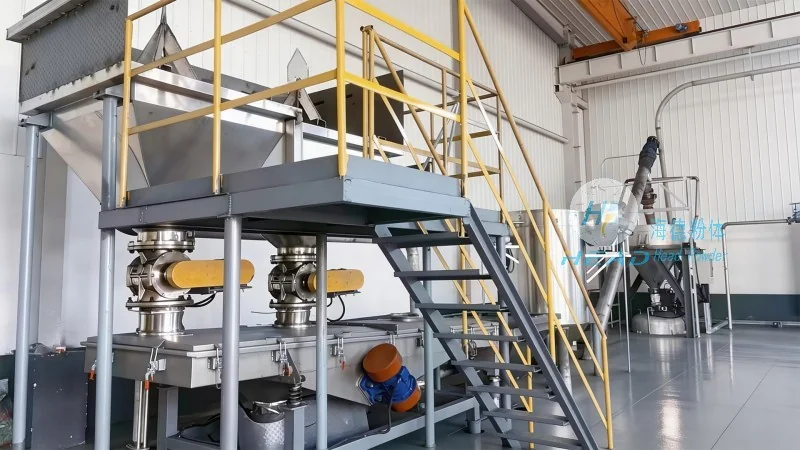
Pneumatic Conveying System Overview
The polyethylene resin powder pneumatic conveying system is designed to transport polyethylene resin powder from a source to a destination through a network of pipes using air or other gases as the conveying medium. This system is particularly suitable for applications where dust control, material containment, and precise flow control are essential. The equipment typically includes several key components that work in tandem to ensure efficient and safe operation.
Key Components of the Pneumatic Conveying System
1. Feeder Unit: The feeder unit is responsible for feeding the polyethylene resin powder into the conveying system. It may include a hopper with a discharge valve or a rotary valve to regulate the flow rate of the material. The design of the feeder ensures that the powder is introduced into the system in a controlled manner, preventing blockages and maintaining consistent flow.
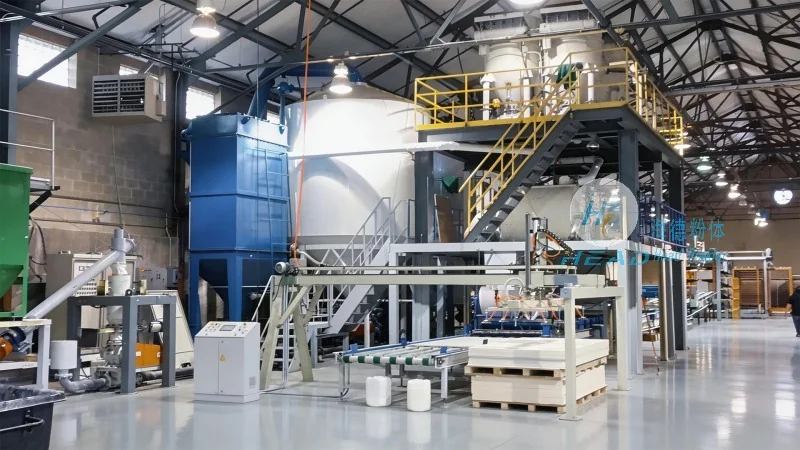
2. Conveying Pipeline: The pipeline is the main channel through which the polyethylene resin powder is transported. It is usually made of stainless steel or other corrosion-resistant materials to withstand the abrasive nature of the resin powder and the effects of the conveying air. The pipeline may include bends, elbows, and straight sections, with appropriate supports to maintain structural integrity and prevent sagging.
3. Air Supply System: The air supply system provides the necessary pressure and volume of air to move the polyethylene resin powder through the pipeline. It typically consists of a blower or compressor, a filter to remove contaminants from the air, and a control valve to regulate the air flow. The air pressure and flow rate are critical parameters that determine the conveying capacity and efficiency of the system.
4. Separation and Collection Unit: The separation unit is responsible for separating the polyethylene resin powder from the conveying air at the destination. This may include a cyclone separator, a bag filter, or a combination of both. The cyclone uses centrifugal force to separate the heavier powder from the lighter air, while the bag filter captures fine particles that may have escaped the cyclone. The collected powder is then discharged into a storage bin or container.
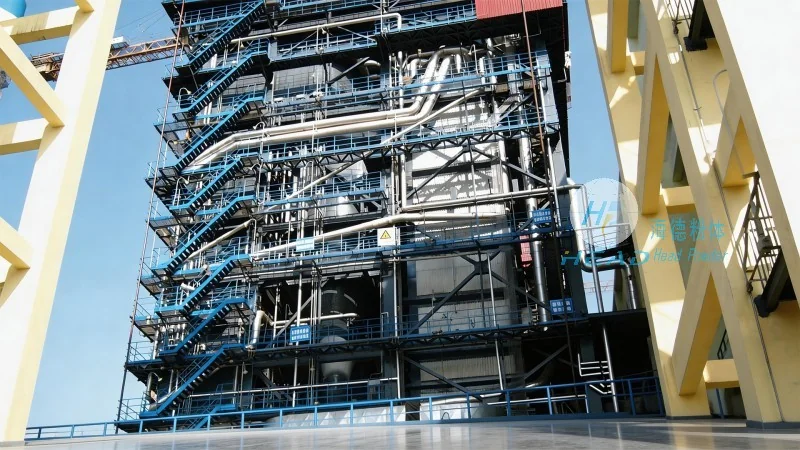
Structural Principles and Operational Mechanism
The operational principle of the polyethylene resin powder pneumatic conveying system is based on the interaction between the polyethylene resin powder and the conveying air. When the air is introduced into the feeder unit, it creates a low-pressure zone that draws the powder into the pipeline. The air then carries the powder through the pipeline, maintaining a uniform flow. At the destination, the separation unit uses the difference in density between the powder and the air to separate them. The air is discharged to the atmosphere or recirculated, while the powder is collected for further use.
The system operates in either positive or negative pressure modes. In positive pressure mode, the blower pressurizes the entire system, pushing the powder through the pipeline. In negative pressure mode, the system is under vacuum, drawing the powder into the pipeline. The choice of mode depends on the application requirements, such as the distance between the source and destination, the amount of material to be conveyed, and the need for dust control.
Advantages and Applications
The polyethylene resin powder pneumatic conveying system offers several advantages over traditional material handling methods. These include reduced material handling time, improved safety by eliminating manual handling of powders, and enhanced process control through precise flow regulation. The system is widely used in industries such as plastics manufacturing, chemical processing, and food processing, where polyethylene resin powder is a key raw material.
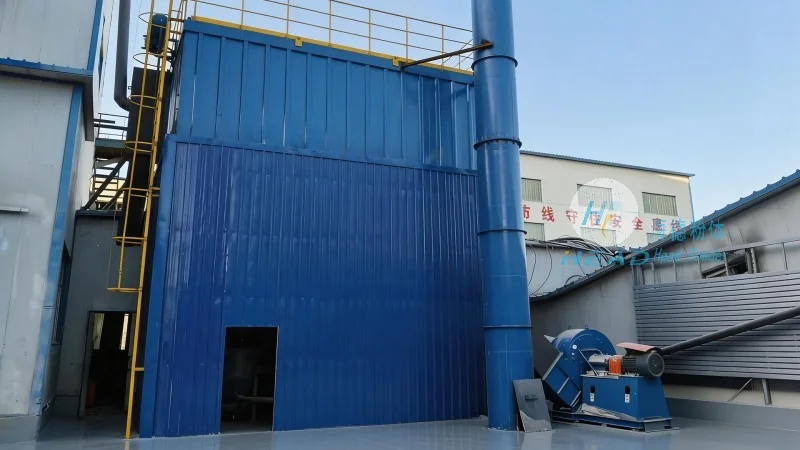
Shandong HeadPowder Engineering Co., Ltd., a leading manufacturer of pneumatic conveying systems, specializes in providing customized solutions for polyethylene resin powder handling. With a strong commitment to quality and innovation, the company has developed advanced equipment that meets the specific needs of various industrial applications. HeadPowder's systems are designed to ensure efficient, reliable, and safe operation, helping clients optimize their production processes and reduce operational costs.
Located in Shandong, China, Shandong HeadPowder Engineering Co., Ltd. leverages its expertise in material handling technology to deliver high-performance pneumatic conveying systems. The company's products are engineered to handle the unique challenges of polyethylene resin powder, including its abrasive properties and the need for dust control. By partnering with HeadPowder, industrial clients can enhance their material handling capabilities and improve overall operational efficiency.




