

Working Principle and Features of the Manganese Carbonate Pneumatic Conveying System
When it comes to efficiently transporting manganese carbonate, the pneumatic conveying system stands out as a reliable and advanced solution. This technology is widely used in the mining and chemical industries to handle bulk materials like manganese carbonate, offering a seamless way to move the material from one location to another without the need for traditional mechanical conveyors.
Understanding the Working Principle of the Manganese Carbonate Pneumatic Conveying System
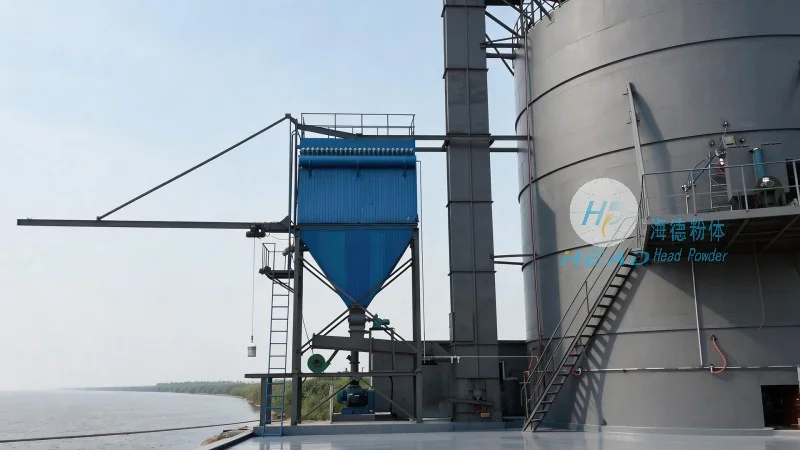
The core of the pneumatic conveying system lies in its ability to use air as the medium to transport solid particles. In the case of manganese carbonate, the system typically operates through a combination of components that work in tandem to ensure smooth material handling. The process generally starts with the material being fed into a hopper or a feeder, where it is then introduced into a pipeline. A fan or a blower generates a flow of air within the pipeline, creating a pressure differential that propels the manganese carbonate particles forward. The system can be categorized into two main types: the suction type (or vacuum system) and the pressure type (or positive pressure system). The suction system draws material from the source using a vacuum, while the pressure system pushes material through the pipeline using compressed air. For manganese carbonate, which is often in a fine or powder form, the suction system is commonly preferred as it can handle the material gently, preventing particle breakage and maintaining the material's quality.
Key Components and Their Roles in the System
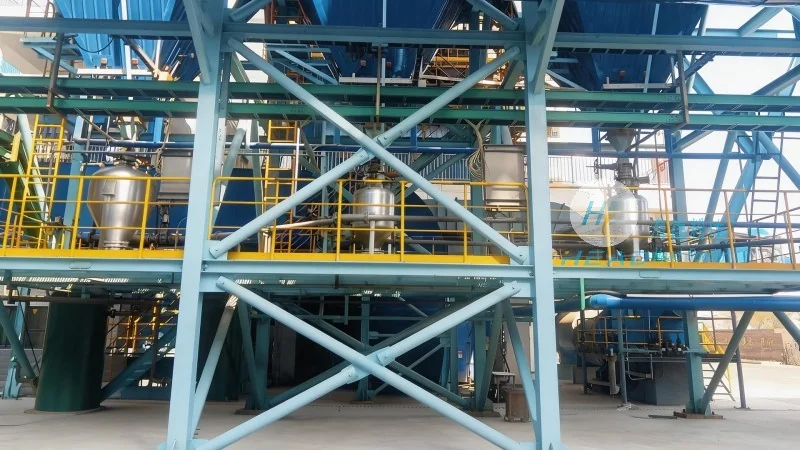
Several critical components make up a typical manganese carbonate pneumatic conveying system. These include the material feeder, which ensures a consistent flow of the material into the system; the air supply unit, which provides the necessary air pressure or vacuum; the conveying pipeline, which transports the material and air mixture; the separation unit, which separates the material from the air at the destination; and the dust collection system, which captures any fine particles to prevent environmental contamination. Each component plays a vital role in maintaining the efficiency and effectiveness of the system. For instance, the feeder must be designed to handle the specific characteristics of manganese carbonate, such as its particle size and moisture content, to avoid blockages or uneven flow. The air supply unit must be capable of generating the required pressure or vacuum levels to ensure the material is conveyed at the desired speed. The pipeline must be properly sized and maintained to minimize pressure losses and prevent material deposition. The separation unit is crucial for recovering the material and returning it to the process, while the dust collection system ensures compliance with environmental regulations and maintains a clean working environment.
Advantages and Features of the Manganese Carbonate Pneumatic Conveying System
Compared to traditional mechanical conveyors, the pneumatic conveying system offers several advantages that make it an ideal choice for transporting manganese carbonate. One of the primary benefits is its ability to handle fine or abrasive materials without causing damage, which is particularly important for manganese carbonate as it can be sensitive to mechanical stress. The system also provides a dust-free and enclosed environment, reducing the risk of dust exposure and improving workplace safety. Additionally, the pneumatic conveying system can be easily integrated into existing production lines, allowing for flexible and scalable material handling solutions. Another key feature is its ability to transport materials over long distances with minimal maintenance requirements. The system is also highly efficient in terms of energy consumption, as it uses air as the primary medium, which is often more energy-efficient than mechanical conveyors that rely on motors and gears. Furthermore, the system can be designed to handle varying material loads, making it suitable for both small-scale and large-scale operations. The flexibility of the pneumatic conveying system also allows for easy adjustments to the conveying speed or pressure, enabling operators to optimize the system for different material types or production requirements.
Application and Industry Relevance
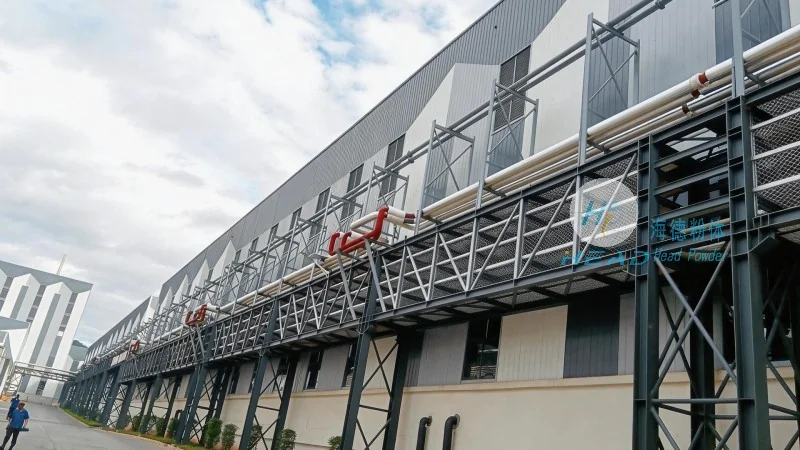
The pneumatic conveying system for manganese carbonate finds wide applications in various industries, including mining, chemical processing, and food processing. In the mining industry, it is used to transport manganese carbonate from ore processing facilities to storage or processing plants. In the chemical industry, it is used to move manganese carbonate between different stages of production, such as from a grinding mill to a mixing tank. In the food processing industry, it is used to transport manganese carbonate as a food additive or supplement, ensuring a hygienic and efficient handling process. The system's ability to handle fine materials and maintain product quality makes it particularly suitable for industries where material integrity is critical. Moreover, the system's enclosed design helps to prevent contamination, which is essential in industries like food and pharmaceuticals. The versatility of the pneumatic conveying system allows it to be adapted to different production environments, making it a reliable choice for a wide range of applications.
Conclusion and Company Overview
Overall, the manganese carbonate pneumatic conveying system is a highly effective and efficient solution for handling bulk materials. Its working principle, based on air as the conveying medium, offers numerous advantages over traditional mechanical methods. The system's components work together to ensure smooth and reliable material transport, while its features provide flexibility and adaptability to different production needs. As a leading provider in this field, Shandong HeadPowder Engineering Co., Ltd. specializes in designing and manufacturing customized pneumatic conveying systems tailored to the specific requirements of manganese carbonate handling. With a focus on quality, efficiency, and environmental compliance, the company ensures that its systems meet the highest standards in the industry. Based in Shandong, China, HeadPowder has established itself as a trusted partner for businesses seeking reliable and advanced material handling solutions. By leveraging the expertise and experience of the company, industries can enhance their production processes and improve overall operational efficiency.