

Working Principle and Features of Corn Cob Pneumatic Conveying Systems
Corn cob pneumatic conveying systems are essential equipment in the agricultural and food processing industries, designed to efficiently transport corn cob material from one location to another. These systems utilize air as the conveying medium, enabling the movement of bulk materials without the need for mechanical components like belts or buckets. The technology has become increasingly popular due to its advantages in terms of hygiene, flexibility, and cost-effectiveness compared to traditional conveying methods.
Working Principle of Corn Cob Pneumatic Conveying Systems
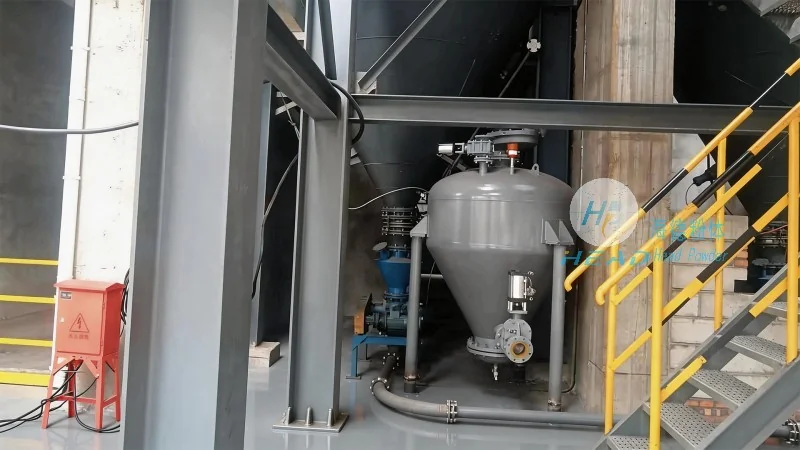
The working principle of a corn cob pneumatic conveying system can be categorized into two main types: positive pressure and negative pressure systems. In a positive pressure system, a fan or blower forces air into the conveying line, creating a pressure higher than the ambient air. The corn cob material is then drawn into the system through a hopper and carried along the pipe by the high-pressure air. This method is suitable for short to medium-distance conveying and is commonly used in applications where the material needs to be transported to a higher elevation. In a negative pressure system, a fan or blower extracts air from the conveying line, creating a vacuum that pulls the corn cob material into the system. The material is then carried through the pipe by the air stream, which is drawn from the discharge end. This method is ideal for long-distance conveying and is often used when the material needs to be transported to a lower elevation or over obstacles. Both systems rely on the principle of air suspension, where the air flow is sufficient to keep the corn cob particles in a suspended state, preventing them from settling and clogging the pipe. The feeder at the hopper is crucial in controlling the flow rate of the material, ensuring that the air flow remains consistent and the material is conveyed smoothly. The fan or blower must be sized appropriately to provide the necessary air volume and pressure to maintain the material in suspension and overcome any resistance in the system, such as bends, elbows, or changes in pipe diameter.
Key Features of Corn Cob Pneumatic Conveying Systems
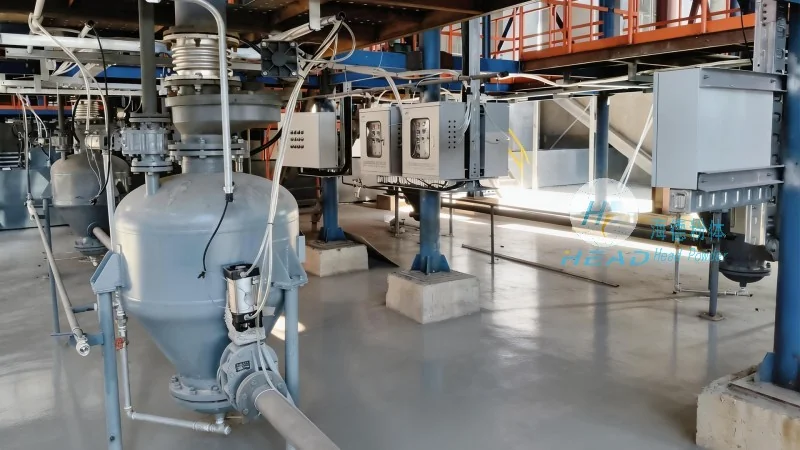
Several key features make corn cob pneumatic conveying systems highly effective for handling corn cob material. First, the system offers excellent hygiene, as it operates in a closed environment, preventing contamination from external sources and minimizing dust generation. This is particularly important in food processing applications where maintaining product purity is critical. Second, the system provides high flexibility in terms of layout and installation. The conveyor pipes can be arranged in various configurations, including vertical, horizontal, or a combination of both, to accommodate different plant layouts and space constraints. This flexibility allows for the integration of the system into existing production lines without major modifications. Third, the system is relatively low in maintenance costs. Unlike mechanical conveyors that require regular lubrication and part replacement, pneumatic systems have fewer moving parts and are less prone to wear and tear. The fan and other components are designed for durability, reducing the frequency of maintenance and downtime. Fourth, the system offers high efficiency in material handling. The air flow can be adjusted to match the material's characteristics, ensuring optimal conveying rates and minimizing energy consumption. This efficiency translates into lower operational costs and increased productivity for the end-user.
Applications and Benefits in Corn Cob Processing
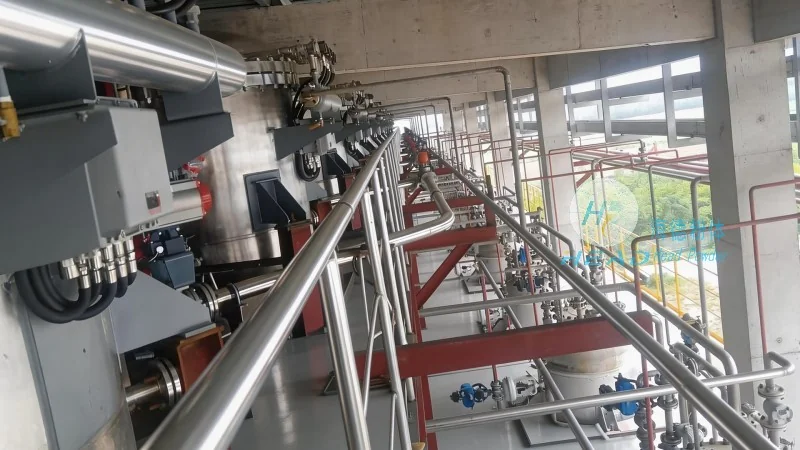
Corn cob pneumatic conveying systems are widely used in various stages of corn cob processing, including storage, transportation, and processing. In storage facilities, the system can be used to move corn cob from storage silos to processing plants, ensuring a steady supply of raw material. During processing, the system can transport corn cob to grinding or milling equipment, where it is converted into animal feed or other products. The benefits of using a pneumatic conveying system in these applications include improved safety, as the closed system reduces the risk of dust explosions and inhalation hazards. Additionally, the system enhances operational efficiency by automating the material handling process, reducing the need for manual labor and minimizing the time required to transfer materials between different stages of production.
About Shandong HeadPowder Engineering Co., Ltd.
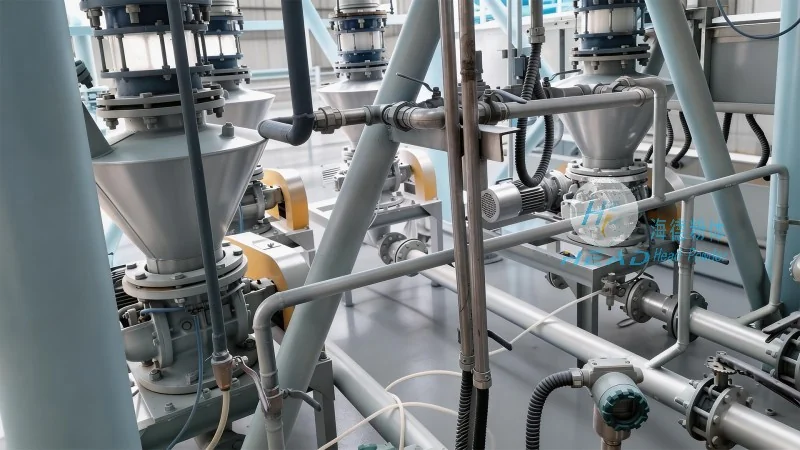
Shandong HeadPowder Engineering Co., Ltd., operating under the brand name headpowder, is a leading manufacturer of corn cob pneumatic conveying systems and related equipment. The company is based in Shandong, China, and has established itself as a trusted provider of high-quality conveying solutions for the agricultural and food processing industries. With years of experience in the field, headpowder has developed a range of systems tailored to meet the specific needs of its clients, from small-scale operations to large industrial facilities. The company's products are designed with precision engineering and rigorous quality control to ensure reliability, durability, and optimal performance. Headpowder's commitment to innovation and customer satisfaction has made it a preferred choice for businesses seeking efficient and cost-effective material handling solutions for corn cob processing.