

Operating Process and Working Principle of Activated Carbon Material Conveying
Activated carbon material conveying is a critical process in industrial applications, particularly in industries dealing with filtration, adsorption, and environmental remediation. The efficient handling of activated carbon, a highly porous carbon-based material, requires specialized equipment and systems to ensure optimal performance and safety. This article provides an in-depth look at the operational workflow and underlying principles governing the movement of activated carbon from storage to processing units.
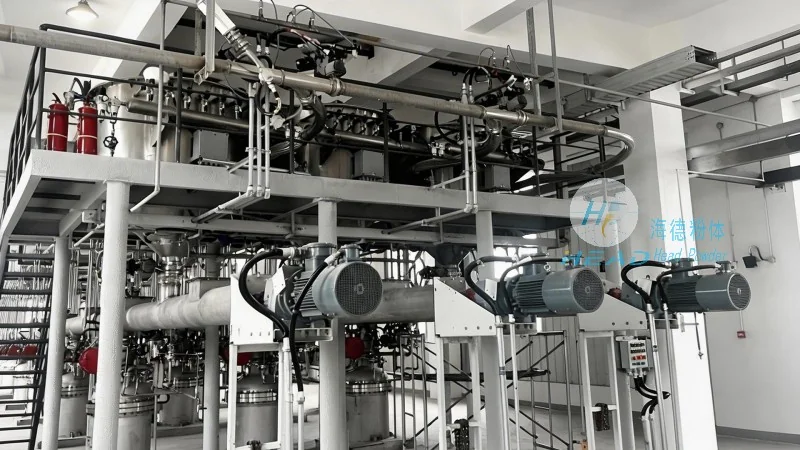
HeadPowder Engineering Co., Ltd., a leading provider in the field, specializes in designing and implementing advanced conveying solutions tailored to the unique characteristics of activated carbon. With a focus on reliability and efficiency, their systems are engineered to minimize material degradation and maximize throughput, addressing the specific challenges posed by this lightweight, fine-grained material.
Key Components and Equipment in Activated Carbon Conveying Systems
The operation of activated carbon material conveying typically involves several key components that work in concert to ensure smooth material flow. These include bulk material feeders, conveyor belts or screw conveyors, dust collection systems, and control panels. Each component plays a vital role in maintaining the integrity of the activated carbon and preventing clogging or blockages, which are common issues due to the material's fine particle size and tendency to stick to surfaces.
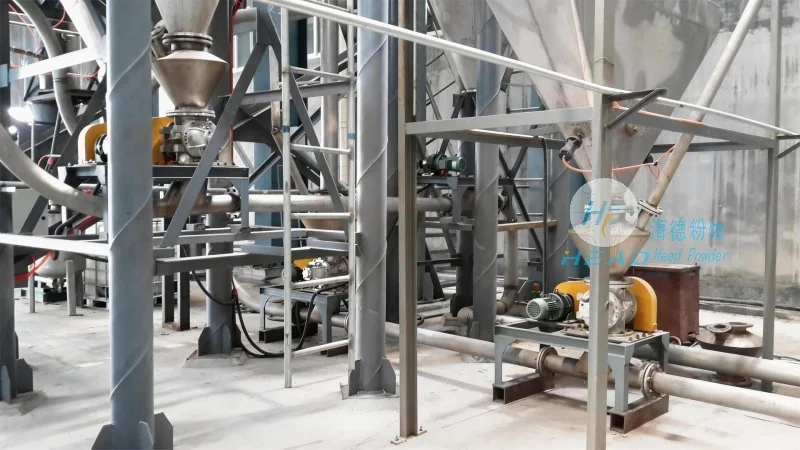
For example, the bulk material feeder, often a rotary valve or a vibratory feeder, is responsible for controlling the flow rate of activated carbon from storage silos or hoppers. This ensures a consistent feed to the conveyor system, preventing overloading or underfeeding that could disrupt the entire process. The conveyor itself, whether a belt conveyor or a screw conveyor, is chosen based on the specific properties of the activated carbon, such as its density, moisture content, and abrasiveness. Screw conveyors are particularly effective for handling fine powders and granules, as they can maintain a steady flow without the risk of material spillage or segregation.
Working Principle of Activated Carbon Conveying Systems
The working principle of activated carbon material conveying is based on mechanical energy to move the material from one location to another. The primary mechanism involves the use of gravity, mechanical force, or a combination of both to transport the carbon. In many systems, a screw conveyor or a belt conveyor is driven by an electric motor, which rotates the conveying element and propels the material forward. The speed and torque of the motor are carefully controlled to maintain a consistent flow rate, ensuring that the material moves at an optimal velocity without causing excessive wear on the equipment.
Another critical aspect of the working principle is the prevention of dust generation and material loss. Activated carbon is a fine powder, and during conveying, it can generate significant dust, which poses health and safety risks and can lead to material loss. To mitigate this, most conveying systems are equipped with dust collection and filtration systems. These systems capture the airborne particles and return them to the conveyor or storage, ensuring that the material remains contained and the environment is kept clean.
Operational Workflow and Process Flow
The operational workflow of activated carbon material conveying begins with the storage of raw activated carbon in bulk storage silos or hoppers. From there, the material is fed into the conveying system through a controlled feeder. The conveyor then transports the carbon to the processing unit, such as a reactor or a filter system. At each stage, the system is monitored for flow rates, pressure, and material level to ensure that the process is running smoothly. Any deviations are immediately detected and corrected by the control system, which adjusts the feeder speed or conveyor speed as needed.
During the conveying process, the activated carbon may undergo some pre-treatment steps, such as drying or screening, to remove moisture or oversized particles. These steps are crucial for maintaining the quality of the final product and ensuring that the material meets the required specifications. The pre-treatment equipment is integrated into the conveying system, allowing for a seamless transition from storage to processing.
Ensuring Efficiency and Reliability in Activated Carbon Conveying
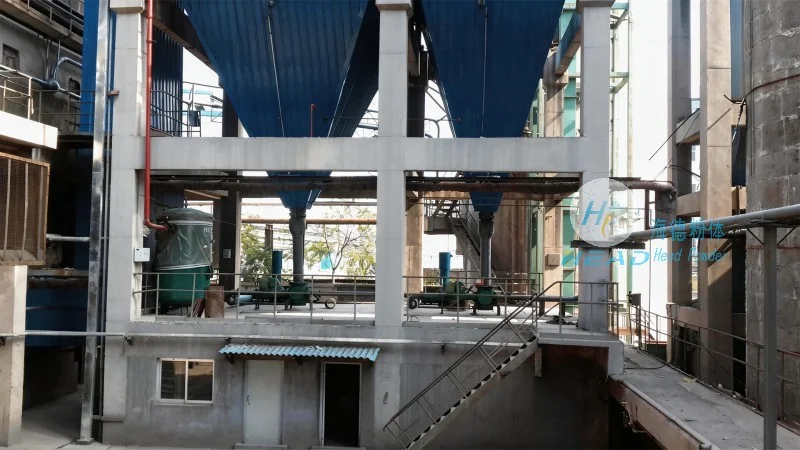
Efficiency and reliability are paramount in activated carbon material conveying, as any downtime or material loss can have significant financial and operational impacts. HeadPowder Engineering Co., Ltd. addresses these concerns by implementing robust design features and quality control measures. Their systems are built with durable materials, such as stainless steel or corrosion-resistant alloys, to withstand the abrasive nature of activated carbon and the potential for moisture exposure. Regular maintenance and inspection schedules are also part of their operational protocols to ensure that the equipment remains in optimal condition.
In addition to equipment design, the control system plays a critical role in maintaining efficiency. Modern conveying systems are equipped with advanced sensors and control algorithms that monitor various parameters in real-time. These sensors can detect changes in flow rate, pressure, or temperature, and automatically adjust the system settings to maintain optimal performance. This level of automation not only improves efficiency but also reduces the need for manual intervention, minimizing the risk of human error.
Conclusion
Activated carbon material conveying is a complex but essential process in many industrial applications. The efficient handling of this material requires a well-designed system that considers its unique properties and the operational requirements of the process. HeadPowder Engineering Co., Ltd. provides comprehensive solutions that address these needs, ensuring reliable and efficient material transport. By understanding the operating process and working principles, industries can optimize their operations and achieve better results in their applications.