

Design Considerations for a Barium Carbonate Pneumatic Conveying System
When designing a pneumatic conveying system for barium carbonate, several critical factors must be carefully evaluated to ensure efficiency, reliability, and safety. The process involves a comprehensive analysis of material properties, operational requirements, and environmental considerations. This article outlines key design considerations tailored to the unique characteristics of barium carbonate, a material widely used in industrial applications.
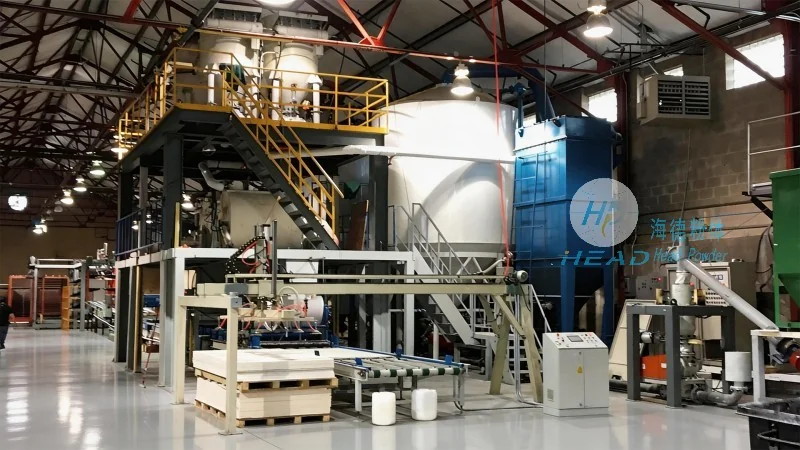
Material Properties and Handling Characteristics
Barium carbonate is a white crystalline powder with specific physical properties that influence system design. Its particle size distribution, bulk density, and flowability are crucial parameters. Typically, barium carbonate particles range from fine powders to coarse granules, affecting how air flows through the system. The material's hygroscopic nature and potential for static accumulation also require special attention. Proper material characterization is essential to select appropriate equipment and system configurations. For instance, fine powders may necessitate higher air velocities and specialized ducting to prevent blockages, while coarser materials can be handled with lower air speeds but may demand larger conveying lines.
System Configuration and Equipment Selection
The choice of system configuration—whether dilute-phase or dense-phase—depends on the material's flow characteristics and the distance to be conveyed. Dilute-phase systems use high air velocities to transport material in a dispersed state, suitable for short to medium distances. Dense-phase systems, on the other hand, operate at lower velocities, using higher air-to-material ratios to create a slurry-like flow, ideal for longer distances or when handling abrasive materials. Equipment selection includes the selection of a suitable blower or compressor, which must provide sufficient pressure and airflow to meet the system's demands. The material's potential for abrasion or corrosion also influences the choice of ducting materials, such as stainless steel or high-grade plastic, to ensure durability and prevent system degradation over time.
Pipeline Design and Layout Optimization
Pipeline design is a critical aspect of system performance. The layout should minimize bends, elbows, and changes in direction to reduce pressure losses and prevent material buildup. Proper sizing of the conveying line is essential; too small a diameter leads to excessive pressure drop and potential blockages, while too large a diameter increases energy consumption. The use of smooth, corrosion-resistant materials for the pipeline is vital to maintain material flow and prevent clogging. Additionally, the inclusion of surge tanks or hopper designs can help manage material flow rates and prevent overloading of downstream equipment. The design must also account for the material's tendency to settle or form agglomerates, which may require periodic cleaning or maintenance to maintain system efficiency.
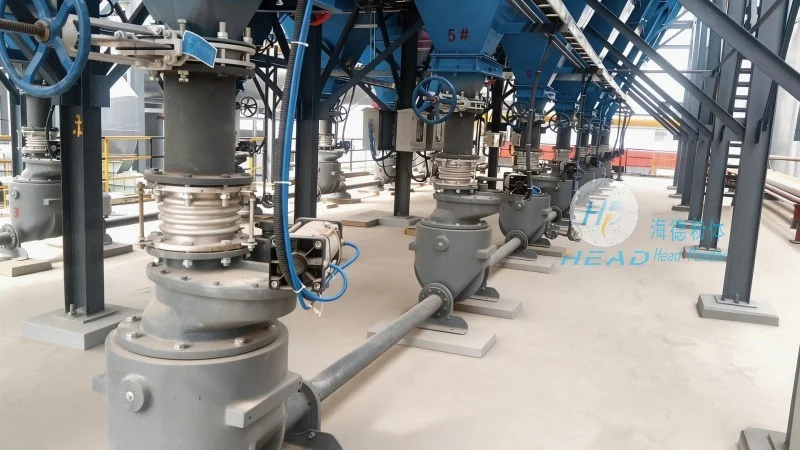
Air Source and Filtration Requirements
The air source, typically a blower or compressor, must be capable of delivering the required pressure and airflow. The selection of an appropriate air source depends on the system's capacity and the material's handling characteristics. For barium carbonate, a positive displacement blower is often preferred due to its ability to maintain consistent pressure, even at varying load conditions. Filtration is another critical component, as barium carbonate particles can be fine and may cause wear on equipment or clog filters. High-efficiency particulate air (HEPA) filters or specialized dust collectors are recommended to ensure clean air and prevent contamination of the material. Regular maintenance of the air filtration system is essential to maintain system performance and prolong equipment life.
Safety and Environmental Considerations
Safety is paramount in pneumatic conveying systems, especially when handling materials like barium carbonate. The system must be designed to prevent dust explosions, which can occur due to the material's combustible nature under certain conditions. Proper grounding and bonding of equipment, along with the use of explosion-proof components, are necessary to mitigate this risk. Additionally, the system should incorporate safety valves and pressure relief devices to protect against overpressure. Environmental considerations include the prevention of dust emissions and the proper disposal of any waste material. Enclosed systems with effective dust collection are recommended to comply with environmental regulations and maintain a safe working environment.
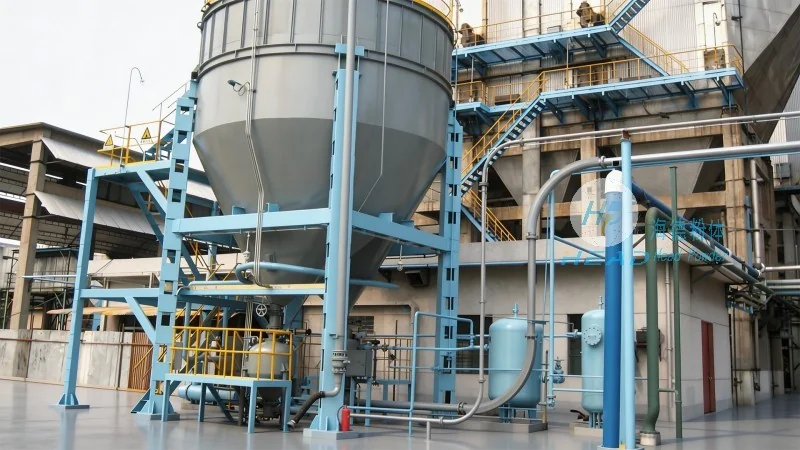
Integration with Downstream Processes
The pneumatic conveying system must be integrated seamlessly with downstream processes, such as storage silos, mixing equipment, or packaging units. The design should ensure smooth transfer of material without causing contamination or loss. The connection points between the conveying line and downstream equipment must be properly sealed to prevent material leakage or air ingress. The system's control system should be capable of monitoring flow rates, pressure, and other parameters to ensure optimal operation. Integration with existing plant infrastructure is also important, as the system must fit within the available space and operational constraints.
Maintenance and Operational Guidelines
Regular maintenance is essential to ensure the long-term performance and reliability of the pneumatic conveying system. This includes routine checks of equipment, such as the blower, filters, and pipeline, to identify and address potential issues before they become major problems. The system should be designed with easy access to components for maintenance, reducing downtime. Operational guidelines should be established to ensure proper use of the system, including start-up and shutdown procedures, and guidelines for handling material changes or system adjustments. Proper training of operators is also crucial to maintain system efficiency and safety.
By carefully considering these design factors, a pneumatic conveying system for barium carbonate can be optimized for efficiency, reliability, and safety. The expertise of companies like Shandong HeadPowder Engineering Co., Ltd., with their focus on tailored engineering solutions, plays a vital role in ensuring successful implementation of such systems. With a deep understanding of material properties and system dynamics, these professionals can design systems that meet the specific needs of industrial applications, from small-scale operations to large-scale production facilities.