Zircon sand, a vital raw material in numerous industrial sectors, demands efficient and reliable transportation systems to support seamless production workflows. As a leading supplier in the field, Shandong HeadPowder Engineering Co., Ltd. offers insights into the common methods used for conveying zircon sand, aiding clients in selecting the most appropriate option for their operational needs.
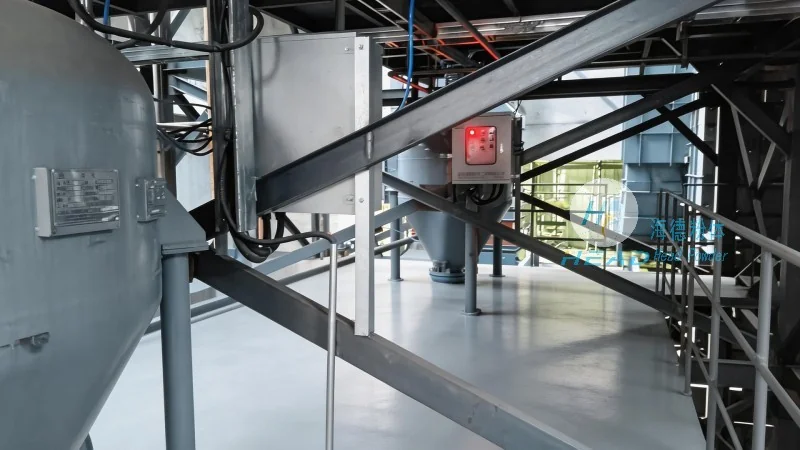
Overview of Key Conveying Methods
Several methods are widely employed for zircon sand transportation, each with distinct advantages and limitations. The primary options include pneumatic conveying, screw conveyors, and pipeline systems. Understanding the characteristics of each method is essential for optimizing material handling efficiency and minimizing operational costs.
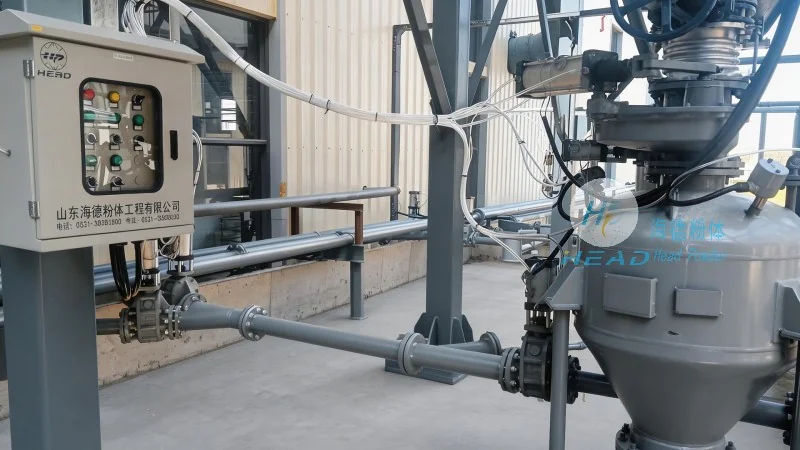
Pneumatic Conveying Systems
Pneumatic conveying utilizes air or other gases to transport zircon sand through a network of pipes. This method is particularly effective for handling fine or dusty materials, as it minimizes product degradation and contamination. There are two main types: pressure and vacuum systems. Pressure systems use compressed air to push the material forward, while vacuum systems draw the material into the pipeline using suction. Pneumatic conveying is ideal for long-distance transport and can handle both dry and wet zircon sand, though it may require more energy compared to other methods.
Screw Conveyors
Screw conveyors, also known as auger conveyors, are mechanical devices that use a rotating screw to move zircon sand along a trough. This method is suitable for short to medium distances and is commonly used in processing plants where the material needs to be elevated or transferred horizontally. Screw conveyors are relatively simple in design, easy to install, and can handle a wide range of particle sizes. However, they may experience wear and tear on the screw and trough, especially with abrasive materials like zircon sand, and are less effective for very fine powders.
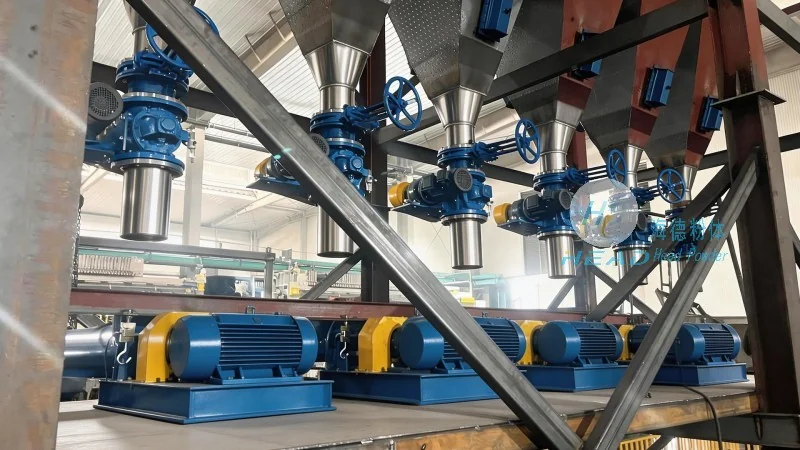
Pipeline Conveying
Pipeline conveying, also called slurry or slurry pipeline transport, involves transporting zircon sand mixed with water or other liquids through a pipeline. This method is commonly used for bulk material transport over long distances, such as from mining sites to processing facilities. The slurry is pumped through the pipeline using high-pressure pumps, and the mixture is often dewatered at the destination. Pipeline conveying is highly efficient for large volumes and can handle high concentrations of solids, but it requires significant infrastructure investment and regular maintenance to prevent clogging and corrosion.
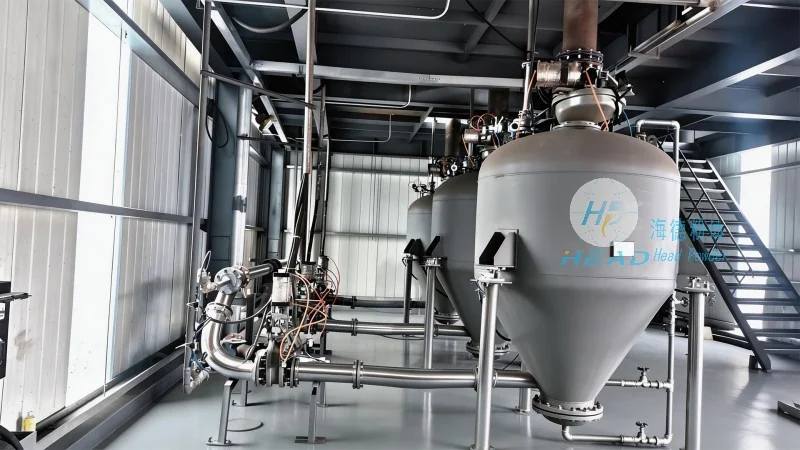
Comparison of Conveying Methods
When selecting a conveying method for zircon sand, several factors must be considered, including material characteristics, distance, cost, and operational requirements. Pneumatic conveying offers flexibility and minimal product degradation but is energy-intensive. Screw conveyors are cost-effective and easy to maintain but may not handle fine powders well. Pipeline conveying is ideal for bulk transport over long distances but requires substantial capital investment. Shandong HeadPowder Engineering Co., Ltd. recommends evaluating these factors to determine the most suitable system for specific applications.
Conclusion
Efficient zircon sand conveying is crucial for maintaining productivity and quality in industrial processes. By understanding the advantages and limitations of different conveying methods, clients can make informed decisions that optimize their operations. As a trusted partner in the industry, Shandong HeadPowder Engineering Co., Ltd. provides expert guidance and tailored solutions to meet the unique needs of each client, ensuring reliable and cost-effective material handling.




