When it comes to integrating graphene into various applications, the method of delivery is a critical factor that influences the final performance and effectiveness of the material. Graphene, with its exceptional properties such as high conductivity, strength, and flexibility, requires precise and efficient delivery systems to ensure optimal dispersion and functionality. This article provides a detailed comparison of common graphene delivery methods, highlighting the advantages and considerations of each approach. The information is presented by Shandong HeadPowder Engineering Co., Ltd., a leading provider of advanced material solutions based in Shandong, China.
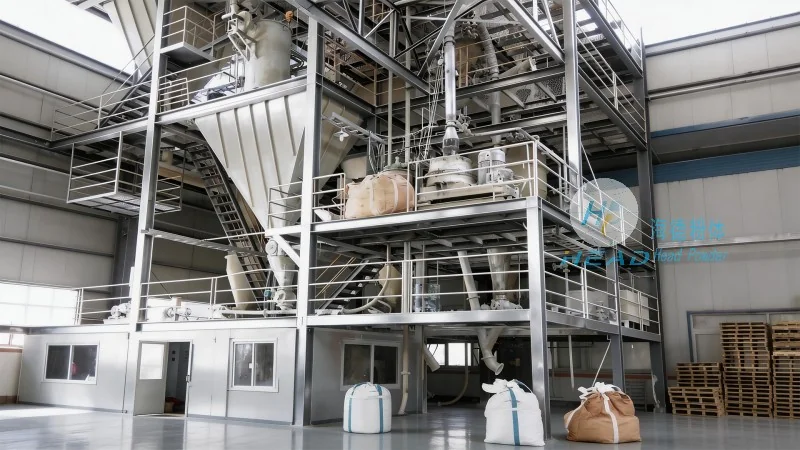
1. Solution-Based Delivery Methods
Solution-based delivery involves dispersing graphene in a liquid medium, such as water or organic solvents. This method is widely used due to its simplicity and compatibility with many processing techniques. The process typically includes exfoliation of graphite to produce individual or few-layer graphene sheets, followed by stabilization with surfactants or polymers to prevent re-aggregation. The resulting graphene solution can be directly applied to substrates or incorporated into coatings, inks, or composites. The key advantages of solution-based delivery include easy scalability, uniform dispersion, and compatibility with existing manufacturing processes. However, challenges may arise from the need for thorough drying and potential environmental concerns related to solvent usage. Shandong HeadPowder Engineering Co., Ltd. specializes in developing high-quality graphene solutions tailored for diverse industrial applications, ensuring consistent performance and reliability.
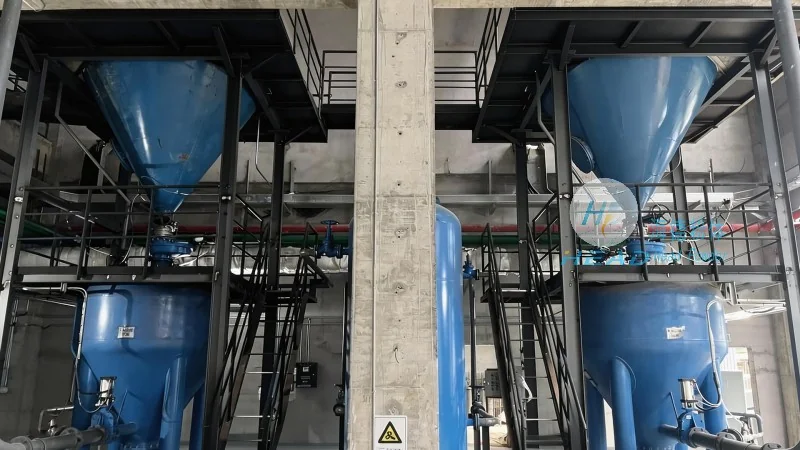
2. Dry Powder Delivery Methods
Dry powder delivery refers to the direct use of graphene as a solid powder, which is then added to materials during processing. This method is particularly suitable for applications where liquid processing is not feasible or where a dry composite is preferred. The graphene powder is typically produced through mechanical exfoliation or chemical reduction from graphite, followed by purification and drying. The powder can be directly mixed with polymers, ceramics, or other matrices using conventional mixing equipment. The primary benefits of dry powder delivery include cost-effectiveness, ease of handling, and compatibility with existing powder processing technologies. However, achieving uniform dispersion in the matrix can be challenging, often requiring high shear mixing or specialized equipment. Shandong HeadPowder Engineering Co., Ltd. offers a range of high-purity graphene powders designed for dry mixing applications, ensuring optimal integration and performance in end products.
3. In-Situ Synthesis Delivery Methods
In-situ synthesis delivery involves the direct growth of graphene within the host material during processing. This method is particularly useful for creating graphene-reinforced composites where the graphene is integrated at the molecular level. The process typically includes chemical vapor deposition (CVD) or other in-situ techniques where carbon precursors are introduced into a substrate, leading to the formation of graphene directly on the surface or within the material. The advantages of in-situ synthesis include strong interfacial bonding between graphene and the host matrix, enhanced mechanical properties, and improved electrical conductivity. However, this method requires specialized equipment and precise control over reaction conditions, making it more complex and costly compared to other delivery methods. Shandong HeadPowder Engineering Co., Ltd. is exploring advanced in-situ synthesis technologies to provide tailored graphene-reinforced materials for high-performance applications.
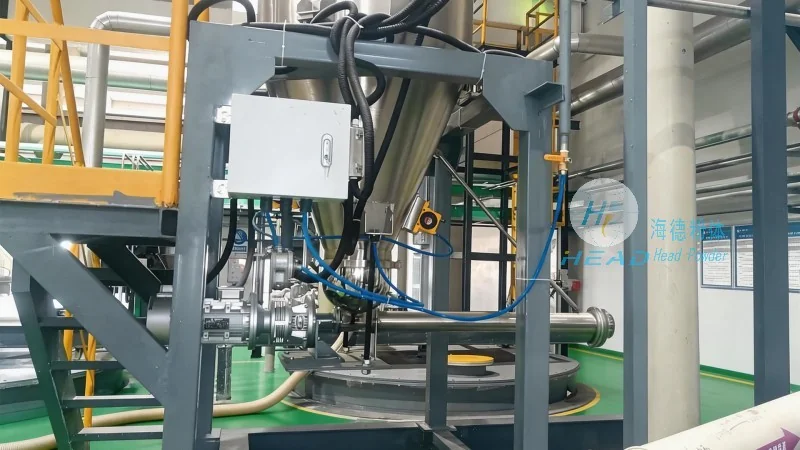
4. Comparison and Selection Considerations
When selecting a graphene delivery method, several factors must be considered, including the application requirements, processing capabilities, and cost constraints. Solution-based delivery is often preferred for applications requiring uniform dispersion in liquids or coatings, while dry powder delivery is suitable for bulk material processing and cost-sensitive applications. In-situ synthesis offers superior interfacial bonding but at a higher complexity and cost. The choice of method also depends on the desired final properties of the product, such as mechanical strength, electrical conductivity, or thermal stability. Shandong HeadPowder Engineering Co., Ltd. provides comprehensive technical support and customized solutions to help clients select the most appropriate graphene delivery method for their specific needs, ensuring optimal performance and cost-effectiveness.




