When it comes to the efficient and reliable transportation of edible salt, selecting the right method is crucial for industrial operations. The choice of salt transportation system can significantly impact production efficiency, operational costs, and overall safety. This article provides a detailed comparison of common salt transportation methods, highlighting their advantages, limitations, and suitability for different industrial applications. The information is presented by Shandong HeadPowder Engineering Co., Ltd., a leading provider of specialized engineering solutions for the salt processing industry.
Overview of Salt Transportation Systems
Before diving into the specifics of each transportation method, it's essential to understand the fundamental principles and components involved in salt handling. Salt, being a granular material, requires specialized equipment to ensure safe and efficient movement from storage to processing or packaging areas. Common transportation methods include pneumatic conveying, mechanical conveying, and hydraulic systems, each with distinct characteristics tailored to different operational needs.
Pneumatic Conveying Systems
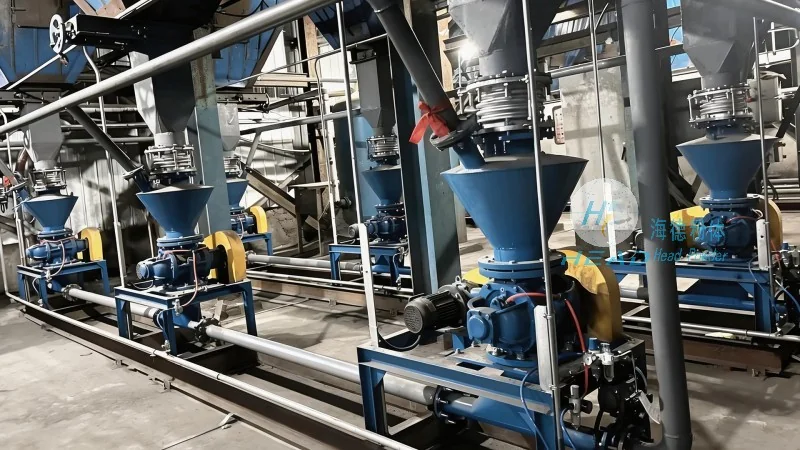
Pneumatic conveying, also known as air-based or gas-based conveying, is a widely used method for transporting edible salt. This system utilizes compressed air or other gases to move salt particles through a pipeline network. The primary advantage of pneumatic conveying is its ability to transport salt over long distances and at high speeds, making it suitable for large-scale industrial operations. There are two main types of pneumatic conveying: dilute phase and dense phase. Dilute phase systems use low air-to-material ratios, allowing for high-velocity transport, while dense phase systems employ higher air-to-material ratios to achieve more controlled and gentle movement, reducing product degradation and equipment wear. Shandong HeadPowder Engineering Co., Ltd. specializes in designing and manufacturing customized pneumatic conveying systems tailored to the specific requirements of edible salt processing facilities, ensuring optimal performance and minimal operational disruptions.
Mechanical Conveying Systems
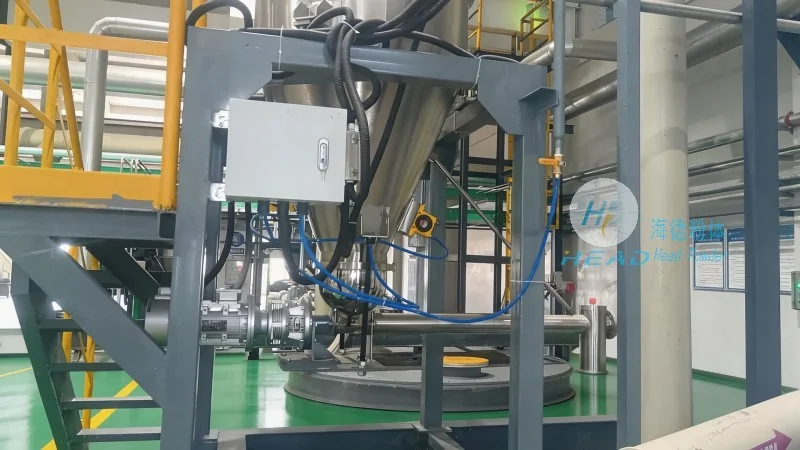
Mechanical conveying systems rely on mechanical components such as belts, screws, and buckets to transport salt. These systems are commonly used for short to medium distances and are particularly effective in applications where vertical or inclined movement is required. Belt conveyors are widely used for horizontal and slight incline transport, offering high capacity and low maintenance costs. Screw conveyors, also known as augers, are ideal for vertical or inclined transport, providing consistent and reliable movement of granular materials. Bucket elevators are another mechanical option, suitable for vertical transport over significant heights, often used in salt storage and processing facilities. The choice of mechanical conveyor depends on factors such as material characteristics, distance, and operational environment. Shandong HeadPowder Engineering Co., Ltd. offers a range of mechanical conveying solutions, including custom-designed belt and screw conveyors, engineered to meet the unique demands of edible salt handling in various industrial settings.
Hydraulic Conveying Systems
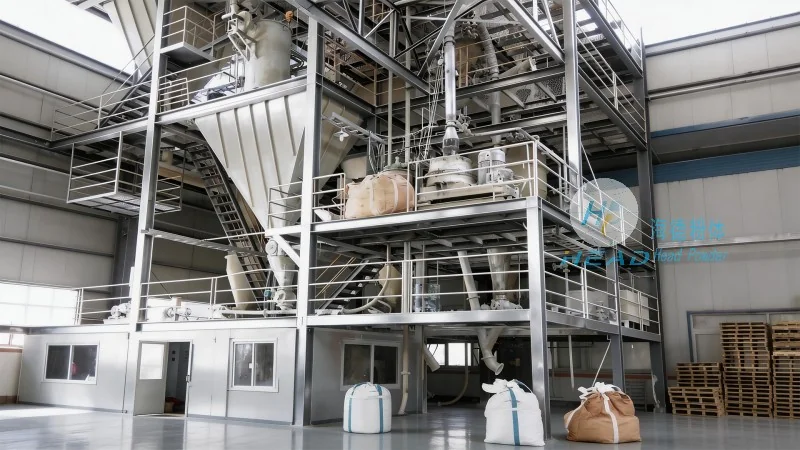
Hydraulic conveying systems use water or other liquids to transport salt through pipelines. This method is less common for edible salt due to the risk of contamination and the need for additional equipment for water treatment and recycling. However, in specific applications where other methods are not feasible, hydraulic conveying can be considered. The system typically involves pumping a slurry of salt and water through a pipeline, with the liquid providing the necessary force to move the material. The main advantage of hydraulic conveying is its ability to handle high volumes of material and transport it over long distances with minimal energy consumption. However, the system requires careful maintenance to prevent blockages and ensure water quality, making it less suitable for sensitive edible salt applications. Shandong HeadPowder Engineering Co., Ltd. provides specialized engineering services for hydraulic conveying systems, ensuring compliance with industry standards and operational safety requirements.
Factors Influencing the Choice of Salt Transportation Method
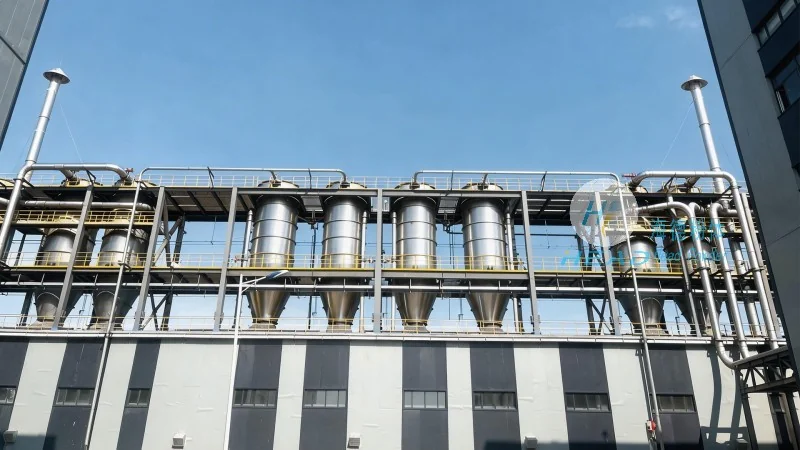
The selection of the most appropriate salt transportation method depends on several key factors, including the scale of operation, distance to be covered, material characteristics, and operational budget. For large-scale industrial facilities requiring long-distance transport, pneumatic conveying is often the preferred choice due to its efficiency and flexibility. For shorter distances or vertical transport needs, mechanical conveyors offer a cost-effective and reliable solution. The material characteristics of edible salt, such as particle size, moisture content, and flowability, also play a critical role in determining the suitable system. For example, fine-grained salt may require more gentle handling to prevent caking or degradation, which can be achieved with dense phase pneumatic conveying or specialized screw conveyors. Additionally, the operational budget and maintenance requirements must be considered, as different systems have varying costs and maintenance needs over their lifespan. Shandong HeadPowder Engineering Co., Ltd. assists clients in evaluating these factors and selecting the optimal salt transportation system that balances performance, cost, and operational efficiency.
Conclusion
In conclusion, the choice of salt transportation method is a critical decision for edible salt processing facilities, impacting overall operational efficiency and product quality. Pneumatic, mechanical, and hydraulic systems each offer unique advantages and limitations, making it essential to evaluate the specific needs of the operation. Shandong HeadPowder Engineering Co., Ltd. provides comprehensive engineering solutions, including customized transportation systems, to meet the diverse requirements of the edible salt industry. By understanding the characteristics and applications of each method, industrial operators can make informed decisions to enhance their production processes and ensure the safe and efficient handling of edible salt. The company's expertise in designing and implementing tailored salt transportation solutions helps clients achieve optimal performance, reduced costs, and improved operational reliability in their salt processing operations.




