For efficient handling and transportation of gypsum and plaster powders, various conveying methods are employed in industrial settings. These methods are designed to address the unique properties of these materials, such as their fine particle size, moisture content, and potential for dust generation. The choice of conveying system depends on factors including material characteristics, plant layout, and operational requirements. Below are some of the most common methods used for gypsum and plaster powder conveying.
Positive Pressure Conveying Systems
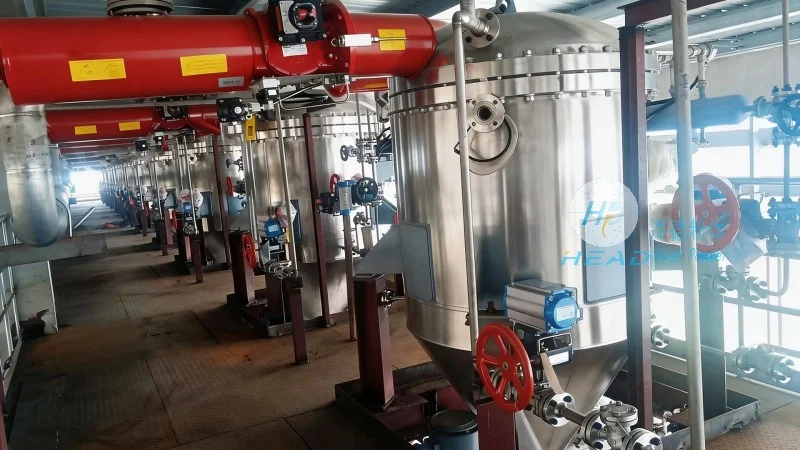
Positive pressure conveying, also known as pressure or pneumatic conveying, is a widely used method for transporting gypsum and plaster powders. In this system, air or gas is supplied under pressure to move the material through a pipeline. The material is typically fed into a hopper or feeder, where it is then drawn into the conveying line by the pressure differential. This method is particularly effective for materials that are prone to caking or agglomeration, as the high-pressure air helps to break up clumps and maintain a consistent flow. Positive pressure systems can be further categorized into dense phase and dilute phase conveying, each with its own advantages and applications.
Negative Pressure (Vacuum) Conveying Systems
Negative pressure or vacuum conveying systems are another common approach for gypsum and plaster powder handling. Unlike positive pressure systems, these systems use a vacuum to draw material from a source into a collection or processing unit. The vacuum is created by a fan or blower, which pulls air and material through the pipeline. This method is often preferred for applications where the material needs to be transported over longer distances or where the source is located at a higher elevation. Vacuum conveying is also suitable for materials that are sensitive to pressure or that require gentle handling to prevent degradation. The system typically includes a hopper, a vacuum pump, and a filter to capture any dust particles before releasing the air back into the environment.
Screw or Auger Conveyors
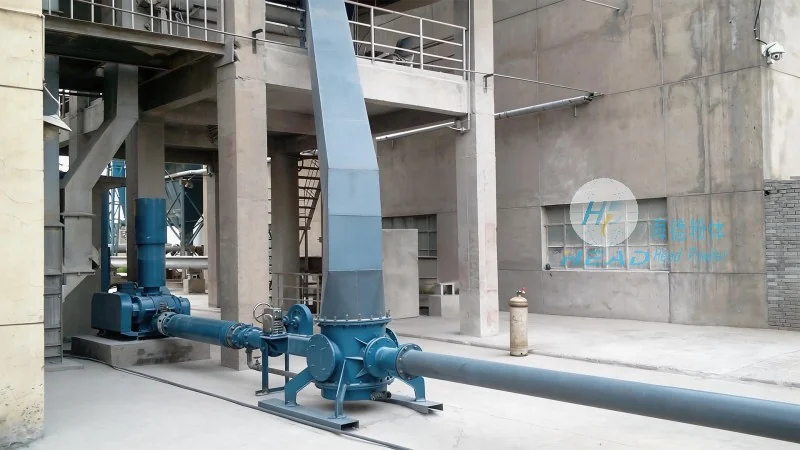
Screw or auger conveyors are mechanical systems that use a rotating screw to move gypsum and plaster powders along a trough or pipe. This method is particularly effective for materials that are free-flowing and non-abrasive. The screw, which is typically made of stainless steel or other corrosion-resistant materials, rotates within a housing, pushing the material forward. Screw conveyors are often used in vertical or inclined applications, as they can handle both upward and downward movement. They are also suitable for applications where the material needs to be mixed or blended with other ingredients. The design of the screw, including its pitch and diameter, can be customized to optimize the conveying efficiency for specific material characteristics.
Pneumatic Conveying with Cyclone Separators
Some conveying systems combine pneumatic methods with cyclone separators to enhance efficiency and material handling. In these systems, the material is conveyed using air, and a cyclone separator is used to separate the material from the air stream. The cyclone works by using centrifugal force to separate the heavier particles from the lighter air. This allows for the material to be collected in a hopper or storage bin, while the air is filtered and released. This method is particularly useful for materials that are fine and prone to dust, as it helps to prevent contamination and maintain a clean working environment. The combination of pneumatic conveying and cyclone separation provides a flexible and effective solution for transporting gypsum and plaster powders in various industrial applications.
Bucket Elevators
Bucket elevators are vertical conveying systems that use a series of buckets attached to a belt or chain to transport gypsum and plaster powders. The buckets are filled with material as they travel up the elevator, and then discharge the material at the top. This method is particularly effective for vertical transport over long distances, as it can handle both upward and downward movement. Bucket elevators are often used in applications where the material needs to be elevated to a higher level, such as in storage silos or processing plants. They are also suitable for materials that are abrasive or that require gentle handling to prevent degradation. The design of the bucket elevator, including the speed of the buckets and the spacing between them, can be customized to optimize the conveying efficiency for specific material characteristics.
Selection Considerations for Gypsum and Plaster Powder Conveying
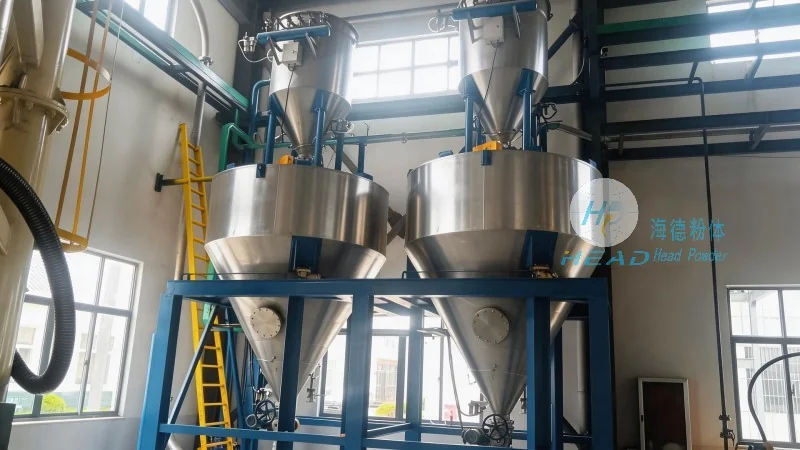
When selecting a conveying system for gypsum and plaster powders, several factors must be considered to ensure optimal performance and efficiency. The first consideration is the material properties, including particle size, moisture content, and flowability. Materials with fine particles or high moisture content may require more gentle handling to prevent caking or degradation. The second consideration is the distance and elevation changes required for the material transport. Longer distances or higher elevations may necessitate more powerful conveying systems or additional equipment, such as booster fans or vertical conveyors. The third consideration is the plant layout and available space. Some systems, such as screw conveyors, require horizontal or inclined space, while others, such as bucket elevators, require vertical space. The fourth consideration is the environmental and safety requirements. Conveying systems must be designed to minimize dust generation and ensure compliance with local regulations. Finally, the cost and maintenance requirements of the system must be evaluated to ensure it is a cost-effective solution for the specific application.
Shandong HeadPowder Engineering Co., Ltd., a leading provider of industrial conveying solutions, specializes in designing and manufacturing systems tailored to the unique needs of gypsum and plaster powder handling. With years of experience in the industry, the company has developed a range of conveying systems that address the challenges of handling these materials. The company's expertise includes the design of positive pressure, negative pressure, and mechanical conveying systems, as well as the integration of cyclone separators and other accessories. By working closely with clients, Shandong HeadPowder Engineering Co., Ltd. ensures that the selected system meets the specific requirements of the application, providing reliable and efficient material transport. The company's commitment to quality and customer satisfaction has made it a trusted partner for businesses in the construction and industrial sectors.




