

Working Principle and Features of Gypsum Powder and Dust Pneumatic Conveying Equipment
HeadPowder, a leading manufacturer based in Shandong, China, specializes in providing advanced pneumatic conveying solutions for handling gypsum powder and dust. This article delves into the working principle and key features of such equipment, offering insights into how these systems efficiently transport gypsum materials while maintaining operational efficiency and environmental compliance.
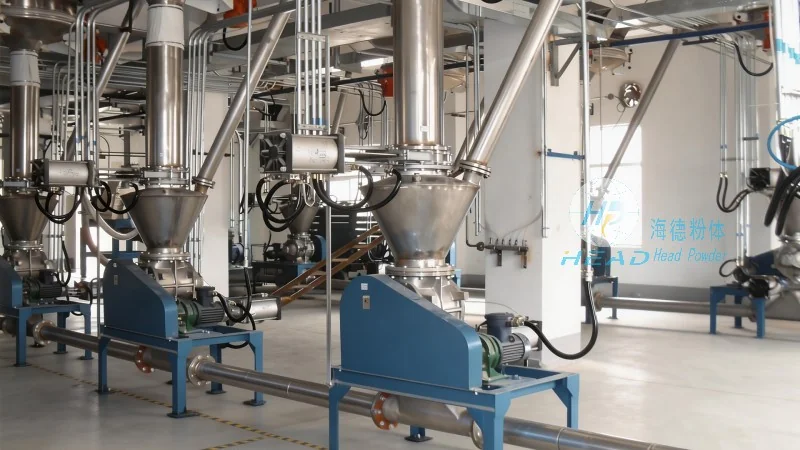
Understanding the Working Principle of Gypsum Powder and Dust Pneumatic Conveying Equipment
The core of gypsum powder and dust pneumatic conveying equipment lies in its ability to transport bulk materials through a pressurized or vacuum system. There are primarily two types of pneumatic conveying systems used for gypsum applications: positive pressure and negative pressure systems. In a positive pressure system, a fan or blower generates pressure inside the conveying line, pushing the material along with the air flow. This method is particularly effective for long-distance and high-capacity transport of gypsum powder. Conversely, negative pressure systems use a vacuum to draw the material into the system, which is often preferred for shorter distances or when handling fine dust that might be sensitive to pressure changes. The equipment typically includes a hopper for material storage, a feeder to control the flow rate, a conveying line, and a receiver to collect the material at the destination. The air flow is managed by a blower or vacuum pump, ensuring consistent material movement without clogging or degradation of the gypsum powder.
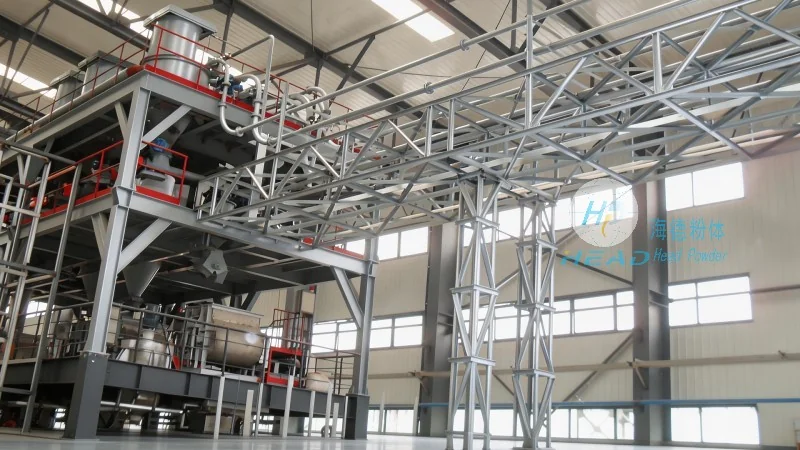
Key Features of Gypsum Powder and Dust Pneumatic Conveying Equipment
When evaluating pneumatic conveying equipment for gypsum powder and dust, several key features stand out as critical for optimal performance. First, the system's efficiency in terms of material handling capacity is paramount. High-capacity systems can transport large volumes of gypsum powder, making them suitable for industrial applications such as gypsum board production, where consistent material supply is essential. Second, the equipment's ability to minimize material degradation and dust generation is a significant advantage. Gypsum is a fine powder that can easily break down or become airborne, leading to health and safety issues. Advanced designs incorporate smooth internal surfaces, low-friction components, and efficient air filtration to reduce dust emissions and preserve material integrity. Third, the system's energy efficiency is a key consideration for long-term operational costs. Modern pneumatic conveying equipment utilizes energy-efficient blowers and optimized air flow designs to reduce power consumption while maintaining performance. Additionally, the equipment's durability and ease of maintenance are important factors. Constructed from corrosion-resistant materials and featuring easy-to-clean components, these systems ensure long service life and minimal downtime. Finally, the environmental compliance features, such as dust collection and air filtration systems, are essential for meeting regulatory requirements and maintaining a clean working environment.
Application-Specific Benefits and Considerations
For industries dealing with gypsum powder and dust, the choice of pneumatic conveying equipment depends on specific application requirements. For example, in the construction industry, where gypsum is used in wallboard manufacturing, the equipment must handle large volumes of raw material and ensure a consistent feed to production lines. The positive pressure system is often preferred here due to its ability to handle high capacities and long distances. In contrast, in smaller-scale applications such as laboratory or small-scale production, a negative pressure system might be more suitable due to its lower cost and simpler setup. The equipment's flexibility in handling different particle sizes and moisture content is also a critical factor. Gypsum powder can vary in fineness and moisture levels, and the conveying system must be designed to accommodate these variations without affecting performance. HeadPowder's expertise in customizing pneumatic conveying solutions ensures that clients receive equipment tailored to their specific needs, whether it's for high-volume industrial use or smaller-scale applications.
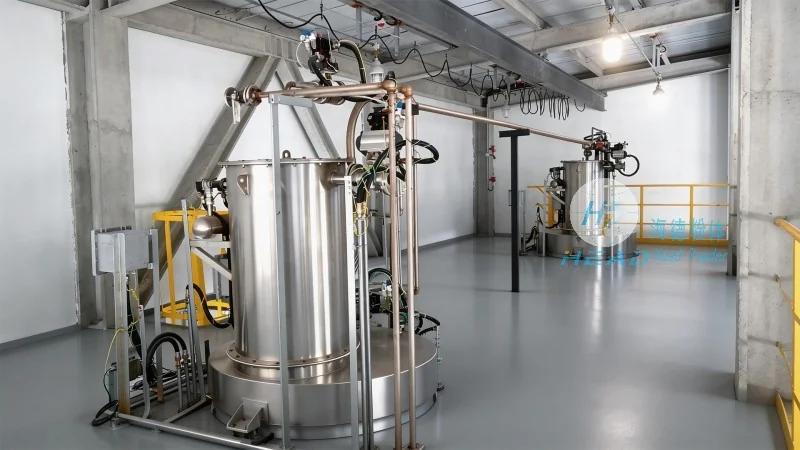
Conclusion: Choosing the Right Gypsum Powder and Dust Pneumatic Conveying Equipment
When selecting pneumatic conveying equipment for gypsum powder and dust, it is essential to consider both the working principle and the key features that align with operational requirements. The choice between positive and negative pressure systems, along with factors such as material handling capacity, energy efficiency, and environmental compliance, plays a crucial role in determining the effectiveness of the system. HeadPowder, with its headquarters in Shandong, China, offers a range of advanced pneumatic conveying solutions designed to meet the diverse needs of the gypsum industry. By leveraging their expertise in material handling technology, HeadPowder provides reliable and efficient equipment that enhances productivity while ensuring safety and environmental responsibility. Whether for large-scale industrial applications or smaller operations, their pneumatic conveying systems are engineered to deliver optimal performance and long-term value.