Shandong HeadPowder Engineering Co., Ltd., commonly known as headpowder, specializes in advanced material handling solutions, particularly in the application of pneumatic conveying systems for transporting reducing iron powder. Reducing iron powder is a critical raw material in various industrial processes, including steelmaking and powder metallurgy, where its purity and particle size distribution are paramount. However, the fine and often cohesive nature of this powder presents significant challenges during transportation, such as blockage, dust generation, and equipment wear. Pneumatic conveying offers a reliable and efficient solution to overcome these challenges, ensuring safe and effective material transport.
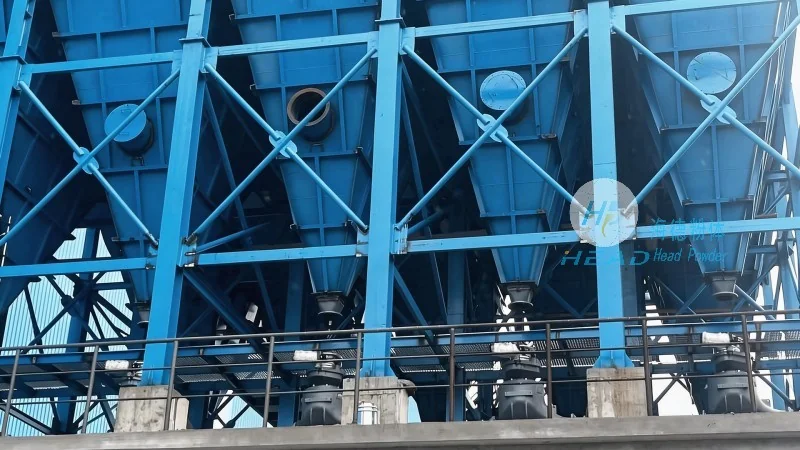
The Importance of Pneumatic Conveying in Handling Reducing Iron Powder
Reducing iron powder, also known as reduced iron, is produced through the reduction of iron ore in a hydrogen or carbon monoxide atmosphere. It is characterized by its high surface area, fine particle size (typically ranging from 10 to 200 microns), and tendency to agglomerate or form clumps. These properties make traditional mechanical conveying methods, such as screw conveyors or belt conveyors, less effective and often inefficient. Mechanical systems can cause particle attrition, leading to dust and reduced material quality, while also suffering from frequent blockages and maintenance issues. Pneumatic conveying, by contrast, uses air or gas to transport the powder through a closed pipeline system, eliminating the need for mechanical contact with the material. This approach minimizes particle degradation, reduces contamination, and provides a more consistent flow rate, which is essential for maintaining the quality of reducing iron powder.
Key Advantages of Pneumatic Conveying Systems for Reducing Iron Powder
Shandong HeadPowder Engineering Co., Ltd. designs and manufactures pneumatic conveying systems tailored to the unique requirements of reducing iron powder. The primary advantages of these systems include: first, enhanced material handling efficiency with minimal downtime due to blockages. The use of positive or negative pressure systems allows for continuous operation, ensuring a steady supply of reducing iron powder to downstream processes. Second, improved product quality through reduced contamination and particle degradation. Unlike mechanical conveyors, which can generate dust and cause wear, pneumatic systems keep the powder enclosed, preventing exposure to external contaminants and preserving its chemical composition. Third, cost-effectiveness and operational flexibility. Pneumatic conveying systems can be scaled to accommodate varying production volumes, and their modular design allows for easy integration into existing industrial setups. Additionally, the systems are energy-efficient, as they utilize compressed air or low-pressure gas, reducing operational costs compared to traditional methods.
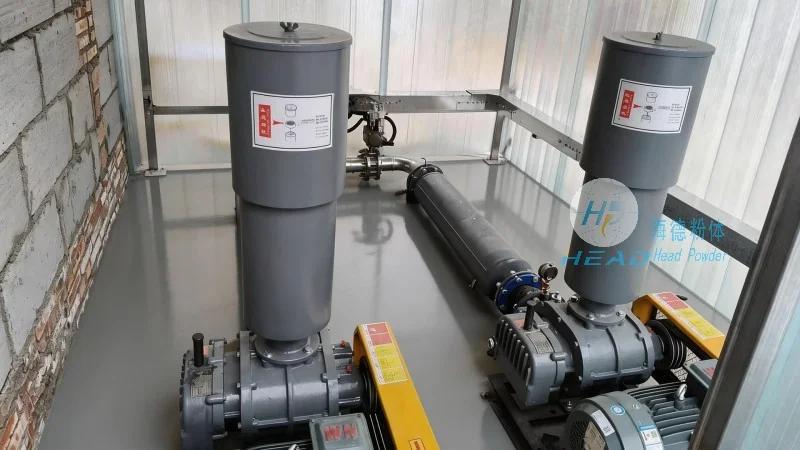
Applications and Industries Benefiting from Pneumatic Conveying
The effectiveness of pneumatic conveying in handling reducing iron powder has made it indispensable in several key industries. In the steel industry, reducing iron powder is used as a reductant in the production of low-carbon steel and as a deoxidizer, where its precise delivery is crucial for achieving desired chemical compositions. In powder metallurgy, it serves as a raw material for the production of iron-based powders used in the manufacturing of sintered components, such as gears and bearings. Other applications include the production of iron oxide pigments, where the powder's purity and particle size are critical for color consistency. Shandong HeadPowder Engineering Co., Ltd. has successfully implemented pneumatic conveying solutions for these industries, demonstrating the system's ability to meet stringent quality and efficiency standards.
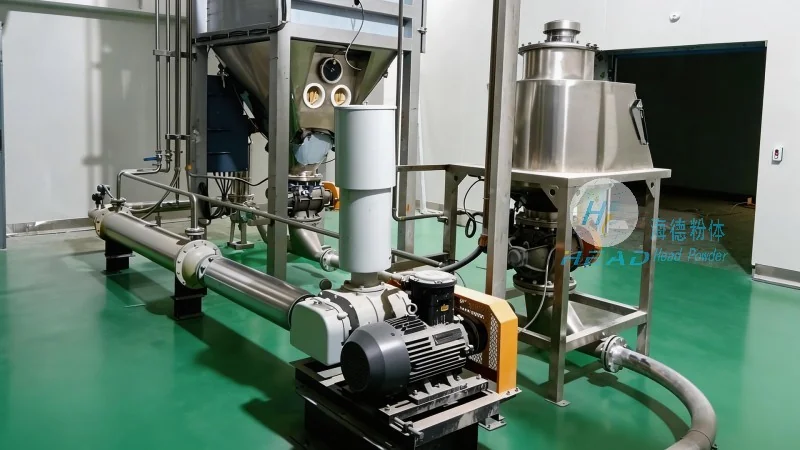
Technical Considerations in Pneumatic Conveying Systems
Designing an optimal pneumatic conveying system for reducing iron powder requires careful consideration of several technical factors. The first is the selection of the appropriate conveying method, either positive pressure (where air is blown into the pipeline to push the powder) or negative pressure (where air is drawn out to pull the powder). Positive pressure systems are generally preferred for long-distance or high-volume transport, as they provide better control over the flow rate and reduce the risk of dust leakage. The second factor is the design of the pipeline system, including the diameter, length, and number of bends. The pipeline must be sized to accommodate the specific flow rate and pressure drop of the reducing iron powder, ensuring that the system operates within its optimal range. Additionally, the use of special materials, such as stainless steel or PTFE-coated pipes, is recommended to prevent corrosion and material buildup. The third consideration is the control system, which includes sensors for pressure, flow, and level monitoring, as well as automated valves and actuators to regulate the conveying process. These controls ensure that the system operates safely and efficiently, minimizing the risk of overpressure or underflow.
Conclusion: The Role of Pneumatic Conveying in Ensuring Efficient Reducing Iron Powder Transport
Shandong HeadPowder Engineering Co., Ltd. has established itself as a leader in providing advanced pneumatic conveying solutions for reducing iron powder transportation. By leveraging the unique advantages of pneumatic systems, such as minimal mechanical wear, high efficiency, and product quality preservation, the company helps its clients in the steel and powder metallurgy industries achieve higher productivity and lower operational costs. The successful implementation of these systems in various applications demonstrates the reliability and effectiveness of pneumatic conveying as the preferred method for handling fine, cohesive materials like reducing iron powder. As industrial demands for efficient material handling continue to grow, the role of pneumatic conveying in ensuring the smooth operation of processes involving reducing iron powder will remain critical, making it an essential technology for modern manufacturing.




