Understanding the operation process and working principle of rare earth material conveying systems is crucial for optimizing industrial efficiency and ensuring safe material handling. These systems are integral to the processing and transportation of rare earth elements, which are vital components in modern technology and manufacturing. The following overview details the key aspects of how such systems function, emphasizing the technical and operational aspects that contribute to their effectiveness.
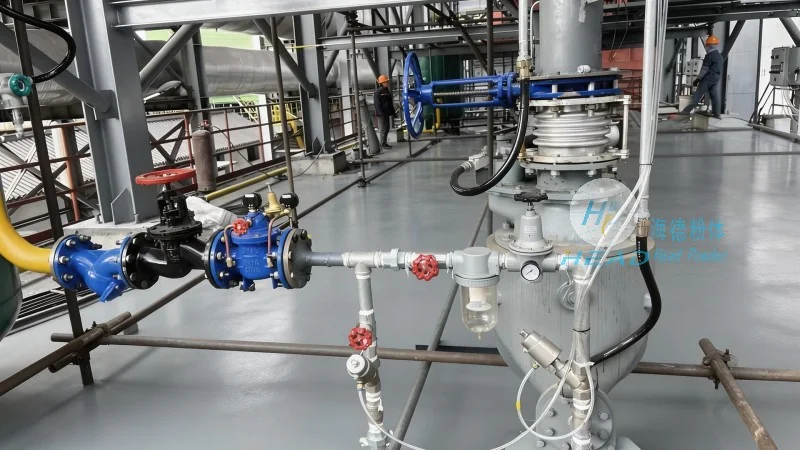
About Shandong HeadPowder Engineering Co., Ltd.
HeadPowder, as the company name suggests, specializes in engineering solutions for material handling, particularly in the context of rare earth materials. With a base in Shandong, China, HeadPowder has established itself as a reliable provider of conveying systems tailored to the unique challenges of handling rare earth compounds. The company’s expertise lies in designing and implementing systems that ensure efficient, safe, and reliable transportation of these valuable materials.
The Operation Process of Rare Earth Material Conveying
The operation process of rare earth material conveying typically involves several key stages, each designed to ensure the smooth and controlled movement of materials from one point to another. The initial stage involves material feeding, where raw or processed rare earth materials are introduced into the conveying system. This may involve hoppers, feeders, or other feeding mechanisms that regulate the flow rate and consistency of the material. Proper feeding is critical to prevent blockages and ensure uniform material distribution.
Once the material is fed into the system, it is transported through the conveying medium. Common methods include belt conveyors, screw conveyors, pneumatic conveying systems, or hydraulic systems, depending on the specific characteristics of the rare earth material and the application requirements. For example, belt conveyors are widely used for bulk materials due to their ability to handle large volumes and varied particle sizes. Screw conveyors, on the other hand, are effective for materials that are more cohesive or require more precise control over the flow. Pneumatic conveying systems use air pressure to move materials, which is particularly useful for fine powders or materials that are sensitive to mechanical stress.
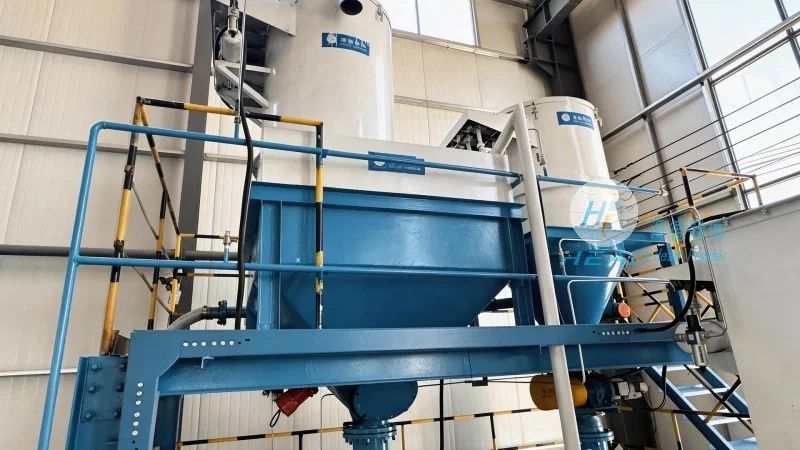
During the conveying process, the system must maintain consistent speed and pressure to avoid material degradation or loss. This involves monitoring and controlling parameters such as conveyor speed, air pressure, and material density. Advanced control systems, often integrated with sensors and automation technology, help maintain optimal conditions and detect any deviations that could impact the conveying efficiency or material quality.
The final stage of the operation process involves material discharge. This is where the conveyed rare earth material is collected or transferred to the next processing step. Discharge mechanisms, such as chutes, buckets, or outlet valves, are designed to ensure that the material is released smoothly and without spillage. Proper discharge is essential to prevent material buildup and maintain the overall efficiency of the conveying system.
Working Principle of Rare Earth Material Conveying Systems
The working principle of rare earth material conveying systems is based on the application of mechanical or pneumatic forces to move materials from a source to a destination. The core components of these systems include feeding devices, conveying mechanisms, control systems, and discharge units. Each component plays a specific role in the overall operation, working in harmony to achieve the desired material transport.
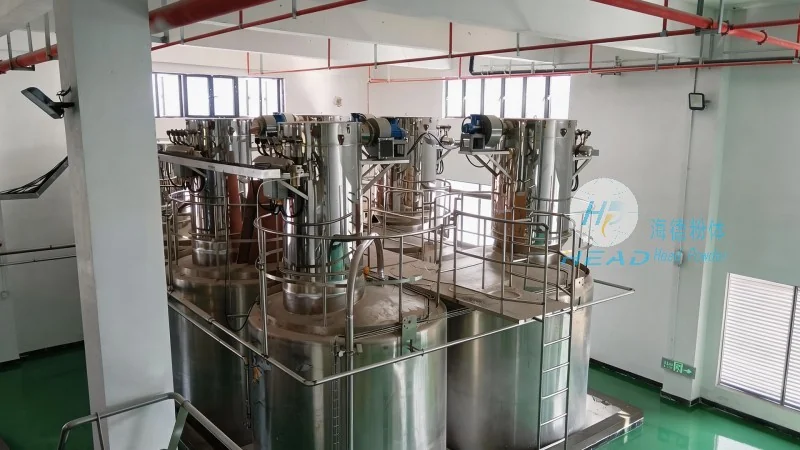
Feeding devices are responsible for introducing the rare earth material into the system. They may include hoppers, rotary feeders, or vibratory feeders, which regulate the flow rate and prevent overloading. The choice of feeding device depends on the material's properties, such as particle size, moisture content, and bulk density. For example, a hopper with a sloped bottom is used to ensure uniform material flow, while a rotary feeder provides precise control over the discharge rate.
Conveying mechanisms are the heart of the system, responsible for the actual movement of the material. Belt conveyors use a continuous belt that moves over rollers or pulleys, carrying the material along the path of the conveyor. Screw conveyors utilize a rotating screw to push the material forward, which is effective for cohesive materials. Pneumatic conveying systems use compressed air to create a flow of material through pipes, which is ideal for fine powders that are difficult to handle mechanically.
Control systems are essential for maintaining the stability and efficiency of the conveying process. These systems typically include sensors that monitor parameters such as material level, conveyor speed, and air pressure. The data collected by these sensors is processed by a control unit, which adjusts the system settings to maintain optimal conditions. For instance, if the material level in the hopper is low, the control system may increase the feed rate to prevent delays. Similarly, if the conveyor speed is too high, the system may slow down to avoid material spillage.
Discharge units are the final component of the system, responsible for releasing the material from the conveyor. These units may include chutes, buckets, or outlet valves, which are designed to ensure that the material is discharged smoothly and without blockages. Proper discharge is crucial to prevent material buildup and maintain the overall efficiency of the conveying system. In some cases, additional equipment such as classifiers or separators may be used to further process the material before discharge.
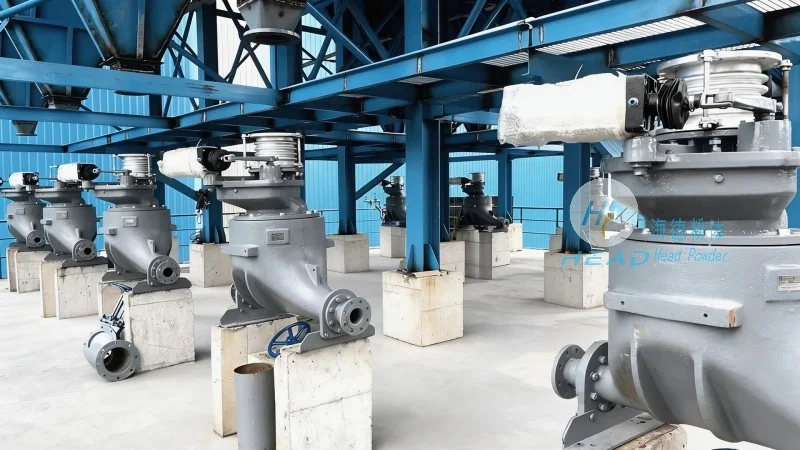
Why Choose HeadPowder for Rare Earth Material Conveying Solutions
When selecting a provider for rare earth material conveying systems, it is essential to consider factors such as expertise, reliability, and customization capabilities. Shandong HeadPowder Engineering Co., Ltd. stands out as a leading provider in this field, offering tailored solutions that meet the specific needs of clients. The company’s engineers and technicians have extensive experience in designing and implementing conveying systems for rare earth materials, ensuring that each system is optimized for efficiency, safety, and durability.
HeadPowder’s approach to material handling is centered on understanding the unique properties of rare earth materials. These materials often have specific handling requirements due to their chemical and physical characteristics, such as high reactivity or abrasive nature. By addressing these challenges, HeadPowder ensures that the conveying systems are designed to minimize material degradation and maintain product quality. The company’s commitment to quality and innovation has earned it a reputation as a trusted partner in the industry.
Furthermore, HeadPowder provides comprehensive support throughout the entire process, from initial consultation and system design to installation and maintenance. This end-to-end service ensures that clients receive a solution that is not only effective but also easy to operate and maintain. The company’s team of experts is available to provide technical assistance and troubleshooting, ensuring that the conveying system operates at peak performance.




