

Operation Process and Working Principle of Coal Sand Material Conveying
Coal sand material conveying systems are fundamental to industrial operations, particularly in sectors like mining, construction, and energy. These systems are engineered to efficiently transport coal and sand, ensuring smooth material handling and operational efficiency. Understanding the operation process and working principle of such systems is crucial for optimizing performance and maintaining safety in industrial settings.
Introduction to Coal Sand Material Conveying Systems
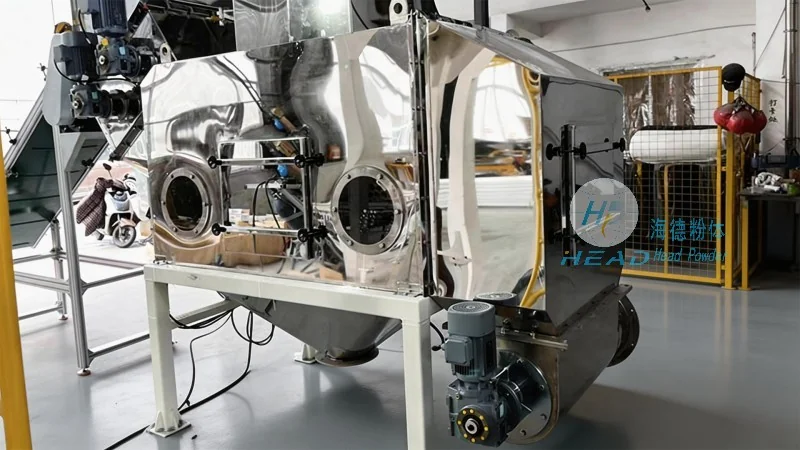
Coal sand material conveying systems, commonly referred to as bulk material handling systems, are designed to move large volumes of coal and sand from one location to another. These systems are widely used in coal processing plants, mining operations, and construction material handling facilities. The primary objective is to automate material transport, reducing labor costs and minimizing the risk of accidents associated with manual handling.
Key Components of Coal Sand Conveying Systems
The operation of coal sand material conveying systems relies on several critical components that work in unison. These include feed hoppers, conveyor belts, idlers, pulleys, drive systems, and control panels. Each component serves a specific function: feed hoppers store and feed the material onto the conveyor belt, while idlers and pulleys support and guide the belt. The drive system, typically an electric motor connected to a gearbox, provides the power to move the conveyor belt. The control panel allows operators to monitor and adjust system parameters, ensuring optimal performance.
Operation Process of Coal Sand Material Conveying
The operation process of coal sand material conveying systems involves a series of steps. Initially, coal and sand are loaded into the feed hopper. The material then flows from the hopper onto the conveyor belt. The conveyor belt, powered by the drive system, moves the material forward. As the belt progresses, the material is transported to the discharge point, which can be a storage silo, processing unit, or another conveyor system. The control panel enables operators to adjust the belt speed and direction as needed, ensuring efficient material flow. This automated process minimizes downtime and enhances operational safety.
Working Principle of Coal Sand Material Conveying Systems
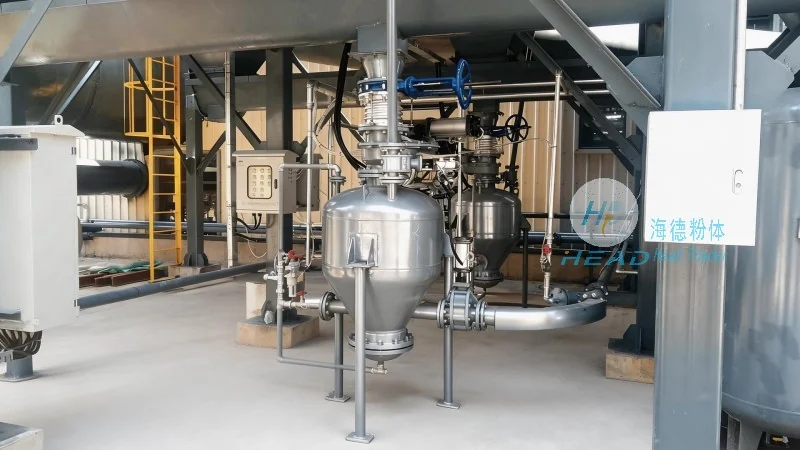
The working principle centers on the mechanics of belt movement and material transport. The conveyor belt, made from durable materials like rubber or synthetic fabrics, is supported by a series of idlers and pulleys. The drive system rotates the drive pulley, which pulls the belt. As the belt moves, coal and sand are carried along. The angle and speed of the belt can be adjusted to control flow rate and direction—for example, a steeper angle may increase discharge speed, while a gentler angle ensures smooth material movement. The control panel monitors belt tension, speed, and material levels, maintaining the system within optimal parameters.
Benefits of Coal Sand Material Conveying Systems
Coal sand material conveying systems offer significant advantages. They are highly efficient, consuming minimal energy to transport large volumes of material. Automation reduces labor costs and enhances safety by eliminating manual handling risks. The systems are versatile, capable of handling various coal and sand types, including different particle sizes and compositions. This adaptability makes them suitable for diverse industrial applications, from coal processing to construction material transport.
Applications of Coal Sand Material Conveying Systems
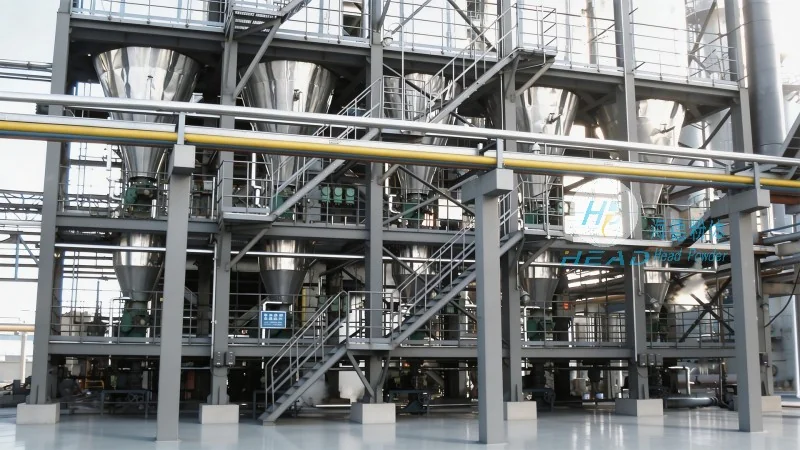
These systems are widely applied across industries. In mining, they transport coal from mines to processing plants or other sites. In construction, they move sand and other materials to building sites. In the energy sector, they deliver coal to power plants for electricity generation. Additionally, they serve in agriculture and manufacturing for bulk material handling. Their efficiency and versatility make them a preferred choice for industrial material transport needs.
Maintenance and Troubleshooting of Coal Sand Conveying Systems
Regular maintenance and timely troubleshooting are essential for system longevity and performance. Routine tasks include cleaning the conveyor belt, inspecting idlers/pulleys, and checking the drive system. The control panel aids in monitoring performance, allowing early detection of issues like belt slippage or material blockages. Prompt troubleshooting minimizes downtime and ensures the system operates efficiently and safely.
Conclusion
Coal sand material conveying systems are critical to industrial material handling. Understanding their operation and working principles is vital for optimizing performance and safety. Key components, automated processes, and maintenance practices ensure efficient material transport. The systems' benefits and applications make them indispensable in various sectors. By implementing these systems effectively and maintaining them properly, industrial operations can enhance productivity, reduce costs, and ensure long-term reliability.