Bulk bag material handling systems are integral to modern industrial operations, offering efficient and cost-effective solutions for transporting and managing large quantities of bulk materials. These systems are designed to handle the entire lifecycle of bulk bags, from loading and conveying to unloading and storage. The process involves several key steps that ensure smooth and reliable material transfer, making them a preferred choice in various industries such as manufacturing, construction, and agriculture.
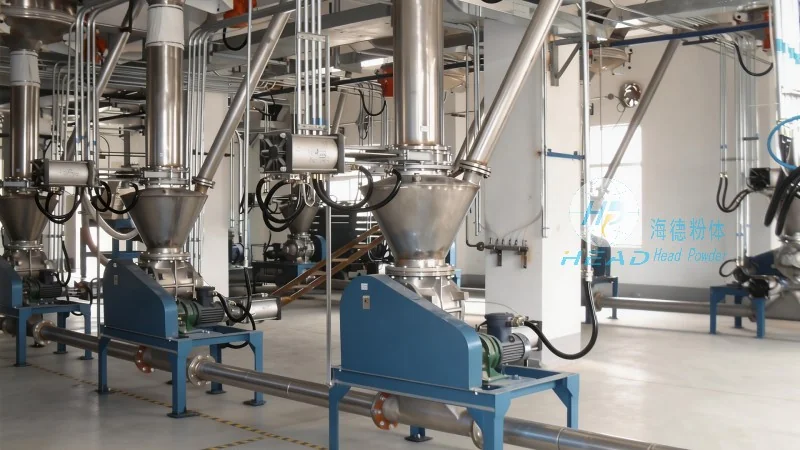
Key Components of Bulk Bag Handling Equipment
The operation of bulk bag material handling systems relies on a combination of specialized equipment designed to handle the unique challenges of bulk bag handling. These components include bulk bag lifters, conveyors, and discharge systems, each playing a critical role in the overall process. The bulk bag lifter, for instance, is responsible for lifting the bag off the ground, while the conveyor system transports the bag to the unloading station. The discharge system then facilitates the controlled release of the material from the bag. All components are engineered to work in harmony, ensuring minimal material loss and maximum operational efficiency. For example, the lifter may use a hydraulic cylinder to lift the bag, providing the necessary force to handle heavy loads. The conveyor system can be a belt or chain conveyor, designed to handle the weight and dimensions of the bulk bag. The discharge system often includes a valve that can be adjusted to control the flow rate, preventing overfilling and ensuring a smooth discharge process.
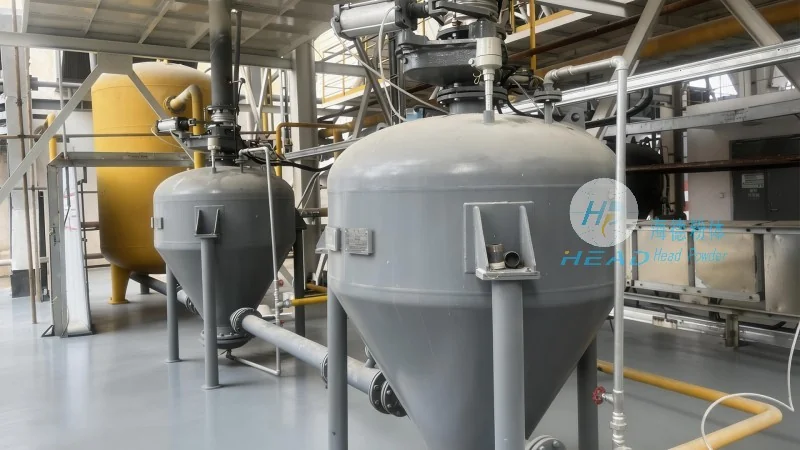
The Step-by-Step Operation Process
The operation of a bulk bag material handling system typically follows a standardized sequence of steps. First, the bulk bag is positioned on a pallet or a designated loading platform. The lifter then engages with the bag, lifting it to a height that allows the conveyor to take over. The conveyor transports the bag to the unloading area, where the discharge mechanism is activated. This process is carefully controlled to prevent spillage and ensure that the material is discharged evenly. Each step is monitored to maintain the integrity of the material and the equipment, minimizing downtime and maximizing productivity. The system may also include sensors to detect the bag's position and the material level, providing real-time feedback to operators and ensuring precise control over the handling process.
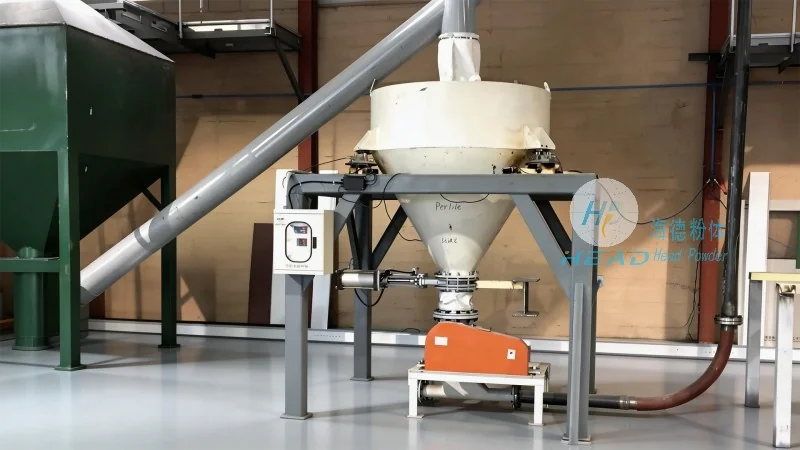
Working Principle of Bulk Bag Handling Technology
The working principle of bulk bag material handling technology is based on mechanical and hydraulic systems that work together to handle the bulk bag efficiently. The lifter uses a hydraulic or mechanical mechanism to lift the bag, which is then guided by the conveyor system. The discharge system, often equipped with a valve or a spout, allows for controlled material release. This technology is designed to handle a wide range of materials, including powders, granules, and liquids, adapting to different material properties and handling requirements. The system's design ensures that it can handle heavy loads and operate in various environmental conditions, making it a versatile solution for industrial applications. The hydraulic system provides the necessary force to lift the bag, while the conveyor system ensures stable transport. The discharge mechanism is typically adjustable, allowing operators to control the flow rate based on the material's characteristics and the downstream processing needs.
Benefits of Using Bulk Bag Material Handling Systems
Bulk bag material handling systems offer numerous benefits that enhance operational efficiency and reduce costs. By automating the handling process, these systems minimize manual labor, reducing the risk of human error and improving safety. The controlled discharge feature prevents material waste and contamination, ensuring that the material remains in optimal condition. Additionally, the systems are designed for easy maintenance and can be integrated into existing production lines, providing a seamless transition to automated material handling. The use of bulk bags themselves offers advantages such as reduced packaging costs and easier storage compared to traditional containers. These systems also contribute to environmental sustainability by reducing packaging waste and minimizing material handling-related emissions.
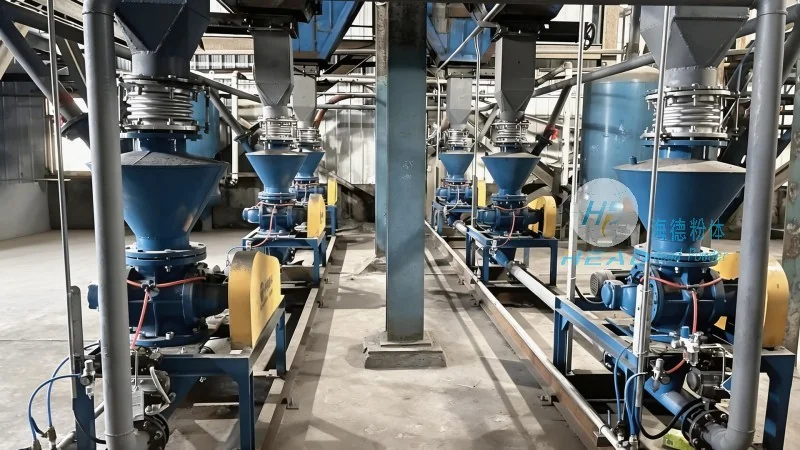
Application Examples in Industrial Settings
Bulk bag material handling systems are widely used in various industrial settings, including chemical plants, food processing facilities, and construction sites. In chemical plants, these systems handle raw materials such as powders and granules, ensuring safe and efficient transport. In food processing, the systems are used to handle ingredients like flour and sugar, maintaining hygiene and preventing contamination. In construction, bulk bags are used to transport sand, cement, and other building materials, providing a cost-effective solution for large-scale projects. The adaptability of these systems makes them suitable for a wide range of applications, catering to the diverse needs of different industries. For instance, in a chemical plant, the system may be used to handle hazardous materials, with additional safety features such as explosion-proof components and sealed discharge mechanisms to prevent leaks and ensure worker safety.




