In the food processing and seasoning manufacturing sectors, the efficient and reliable transportation of powdered seasonings is a critical factor in maintaining product quality, ensuring operational efficiency, and meeting regulatory standards. This overview provides a comprehensive look at the components, structural design, and operational principles of modern powder conveying systems, with a focus on the solutions offered by Shandong HeadPowder Engineering Co., Ltd., a prominent player in the industry known as HeadPowder. The company, based in Shandong, China, specializes in custom-engineered systems tailored to the unique demands of seasoning production, combining advanced technology with practical application expertise.
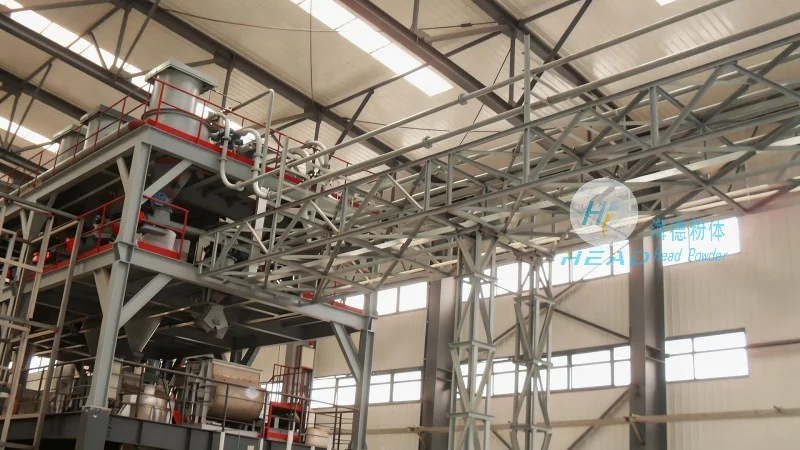
Key Components and Their Functions
The foundation of any effective powder conveying system consists of several interrelated components, each playing a vital role in the overall process. The first component is the feeder, which is responsible for uniformly feeding the powder into the conveying line. For powdered seasonings, which can be fine and prone to bridging, rotary valves or star feeders are commonly used. These devices ensure a consistent flow rate by breaking up any agglomerates and preventing material from accumulating in the hopper, thus maintaining smooth material transfer. The second key component is the conveyor itself, which can be either pneumatic or mechanical. Pneumatic conveyors use compressed air to create a pressure differential, drawing the powder from the storage silo into the system. This method is particularly effective for fine powders as it minimizes particle degradation and prevents excessive wear on equipment. Mechanical conveyors, such as screw or belt conveyors, are often used for bulkier or more cohesive powders, offering a more direct and energy-efficient transport method. Finally, control units manage the entire system, regulating air pressure, flow rates, and safety features to prevent overloading, system failures, or environmental contamination.
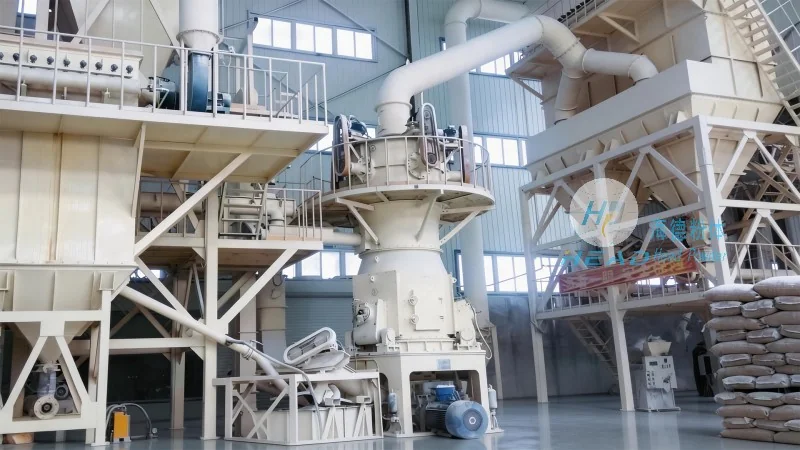
Structural Design Considerations
The structural design of a powder conveying system is carefully tailored to the physical properties of the seasoning powder, including particle size, moisture content, and flowability. For example, systems handling very fine powders may incorporate additional dust collection and filtration systems to prevent particle loss and ensure compliance with environmental regulations. The design also considers the potential for caking or segregation, which can occur when powders are stored or transported for extended periods. To mitigate these issues, systems may include vibration or agitation mechanisms that keep the powder in a fluidized state, preventing clumping and maintaining consistent flow. The structural integrity of the conveyor components is also critical, as they must withstand the abrasive nature of the powder and the pressure differentials involved in the conveying process. Materials such as stainless steel and corrosion-resistant alloys are commonly used to ensure durability and longevity, especially in environments where hygiene and product purity are paramount.
Operational Principles and Efficiency
The operational principle of a typical powder conveying system is based on creating a pressure differential between the inlet and outlet of the conveyor. In pneumatic systems, this is achieved by supplying compressed air to the inlet, which draws the powder from the storage silo into the system. The air and powder mixture then travels through the conveyor pipes to the discharge point, where the air is separated from the powder and either recycled or vented. The efficiency of the system depends on several factors, including the air-to-powder ratio, the length and diameter of the conveyor pipes, and the design of the feeders and control units. Optimizing these parameters ensures that the system operates at peak efficiency, minimizing energy consumption and maximizing material throughput. Additionally, modern systems often incorporate sensors and monitoring devices that provide real-time data on flow rates, pressure, and system performance, allowing for immediate adjustments to maintain optimal operation.
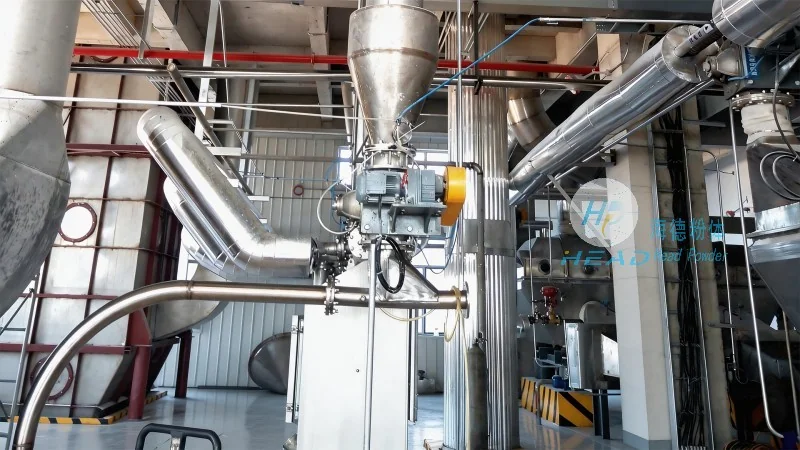
Company Expertise and Custom Solutions
HeadPowder, with its headquarters in Shandong, China, has established itself as a leading manufacturer of powder handling equipment, specializing in conveying systems for the food industry. The company’s team of engineers and technicians brings decades of experience in understanding the unique challenges of powder flow, such as handling fine, hygroscopic, or cohesive powders. By leveraging this expertise, HeadPowder provides custom solutions that address the specific needs of each client, whether it’s a small-scale seasoning producer or a large-scale manufacturing facility. The company’s approach involves working closely with clients to analyze their production processes, identify bottlenecks, and design a system that integrates seamlessly with existing equipment. This collaborative process ensures that the final solution is not only efficient but also cost-effective and easy to maintain. HeadPowder’s commitment to quality is evident in their use of high-grade materials, rigorous testing procedures, and adherence to international standards, ensuring that their systems meet the highest industry benchmarks.




