

Working Principle and Features of PP Material Conveying
PP (Polypropylene) material conveying systems are essential in industrial applications where efficient and reliable transportation of polypropylene is required. These systems are designed to handle the unique properties of PP, such as its lightweight, chemical resistance, and flexibility, ensuring smooth and safe material handling processes. Manufactured by Shandong HeadPowder Engineering Co., Ltd., these systems are engineered to meet the demands of modern industrial operations, providing robust and efficient solutions for material handling. The following sections will explore the working principle and key features of PP material conveying systems, offering insights into their functionality and benefits.
Working Principle of PP Material Conveying
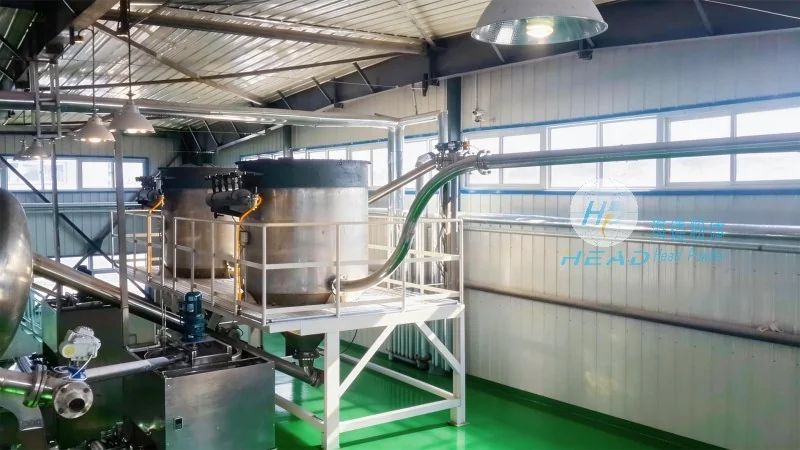
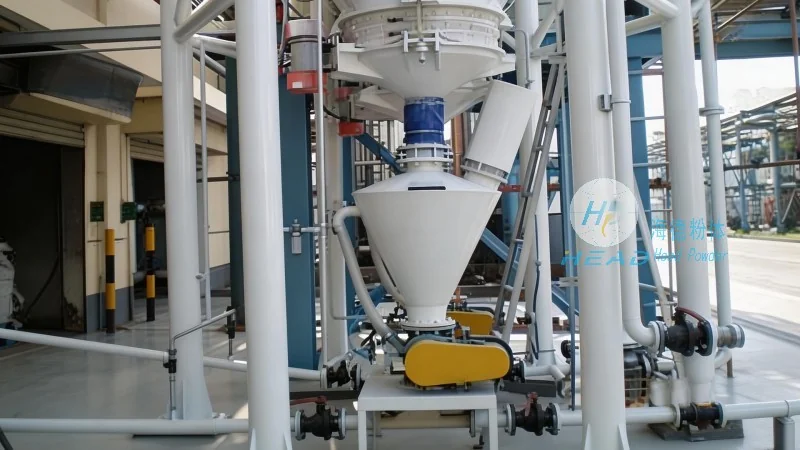
The working principle of PP material conveying systems typically involves several components working in tandem to transport PP materials from one location to another. A common setup includes a hopper or feeder that holds the PP material, a conveyor mechanism (such as a screw conveyor, belt conveyor, or pneumatic conveyor) that moves the material, and a control system that regulates the flow and speed. The process begins with the PP material being fed into the hopper, where it is then transported through the conveyor system. For example, a screw conveyor uses rotating screws to push the material forward, while a pneumatic conveyor uses air pressure to move the material through a pipeline. The control system ensures that the material is conveyed at an optimal rate, preventing blockages and maintaining consistent flow. This integrated approach allows for efficient and continuous operation, making PP material conveying systems suitable for various industrial applications, including manufacturing, processing, and packaging.
Key Features of PP Material Conveying Systems
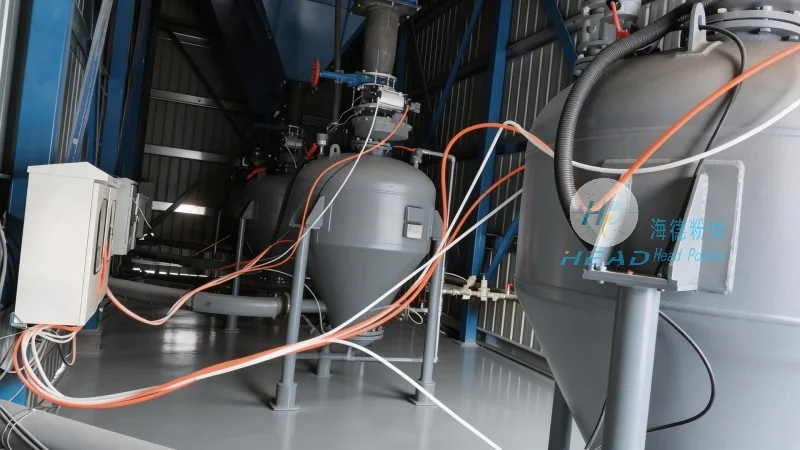
PP material conveying systems are characterized by several key features that enhance their performance and usability. One of the primary features is their ability to handle the specific properties of PP, such as its low density and tendency to cling to surfaces. The systems are often equipped with special materials or coatings on the conveyor components to prevent material buildup and ensure smooth movement. Another important feature is the adjustable speed and flow control, which allows operators to tailor the conveying process to the specific requirements of the application. This flexibility is crucial in maintaining product quality and preventing damage to the PP material. Additionally, many PP material conveying systems are designed for easy maintenance and cleaning, with components that can be easily disassembled and cleaned to prevent contamination. The use of durable materials, such as stainless steel or high-quality plastics, ensures long-term reliability and minimal downtime. These features collectively contribute to the efficiency and effectiveness of PP material conveying systems, making them a preferred choice in industries that rely on consistent and reliable material handling.
Applications and Benefits
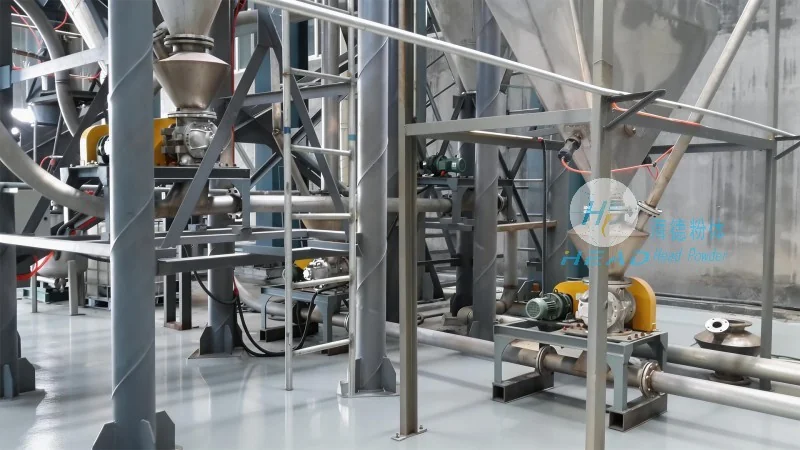
PP material conveying systems find wide applications in various industries, including plastics manufacturing, food processing, and chemical processing. In plastics manufacturing, these systems are used to transport raw PP material to processing machines, ensuring a continuous supply of material for extrusion, molding, or other operations. In food processing, PP material conveying systems are utilized to transport food-grade PP components, maintaining hygiene and preventing contamination. The benefits of using PP material conveying systems include improved efficiency, reduced labor costs, and enhanced product quality. By automating the material handling process, these systems minimize human error and ensure consistent material flow, leading to higher productivity and lower operational costs. Additionally, the ability to handle large volumes of PP material at a time reduces the time required for material transport, allowing for faster production cycles. The reliability of these systems also contributes to reduced downtime, as they are designed to operate continuously without frequent interruptions. Overall, PP material conveying systems offer significant advantages in terms of performance, efficiency, and cost-effectiveness, making them an essential component in modern industrial operations.