For industries dealing with bulk materials, efficient material handling is crucial. An automatic pneumatic conveying system offers a reliable solution for transporting powders, granules, and other dry materials from one location to another. This article explores what such a system entails and the underlying design principles that make it effective.
What Is an Automatic Pneumatic Conveying System?
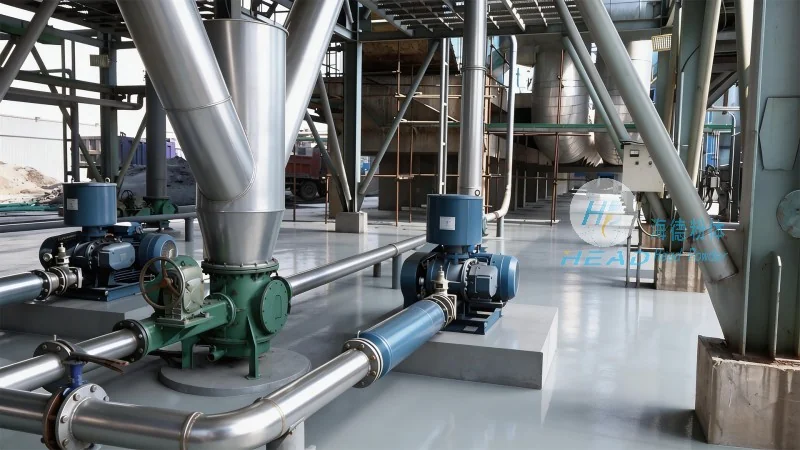
An automatic pneumatic conveying system is a mechanical system that uses compressed air or other gases to transport bulk materials through a network of pipes. Unlike traditional methods like conveyor belts or trucks, this system operates without physical contact between the material and the conveying equipment, making it ideal for handling sensitive or abrasive materials. The system typically consists of a hopper for material storage, a blower or compressor to generate airflow, a conveying line, and a discharge point where the material is released. Such systems are typically designed and manufactured by companies like Shandong HeadPowder Engineering Co., Ltd., which specializes in providing efficient material handling solutions for various industries.
Key Components of the System
Several key components work together to ensure the smooth operation of an automatic pneumatic conveying system. The hopper is where raw materials are loaded, and its design affects the system's capacity and flow characteristics. The blower or compressor provides the necessary pressure and airflow to move the material through the pipes. The conveying line, often made of metal or plastic, must be durable and resistant to corrosion from the materials being transported. Additionally, the system includes control valves and sensors to regulate the airflow and monitor the material flow, ensuring safety and efficiency.
Design Principles for Efficient Operation
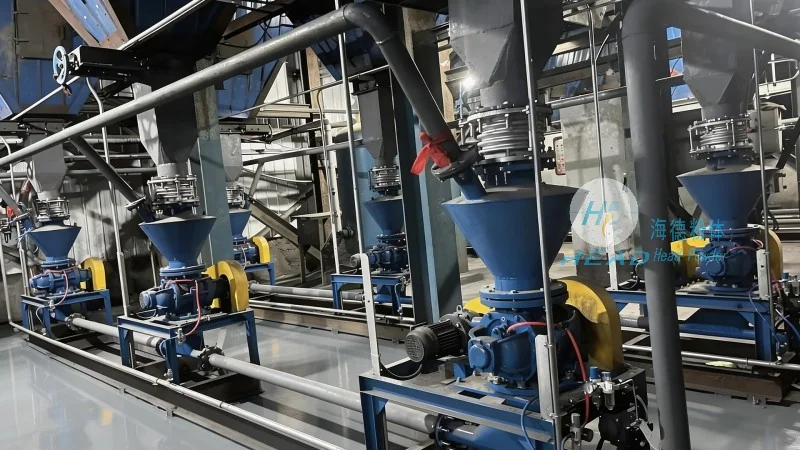
The design of an automatic pneumatic conveying system is based on several fundamental principles to maximize efficiency and minimize energy consumption. One key principle is the use of appropriate air velocity to ensure the material is fully suspended and transported without clogging the pipes. The air velocity must be high enough to keep the particles in suspension but not so high as to cause excessive wear on the system components. Another principle is the selection of the right pipe diameter and length, as these factors directly impact the system's capacity and pressure drop. Engineers must calculate the required air volume and pressure to maintain the desired flow rate while minimizing energy costs.
Advantages of Automatic Pneumatic Conveying
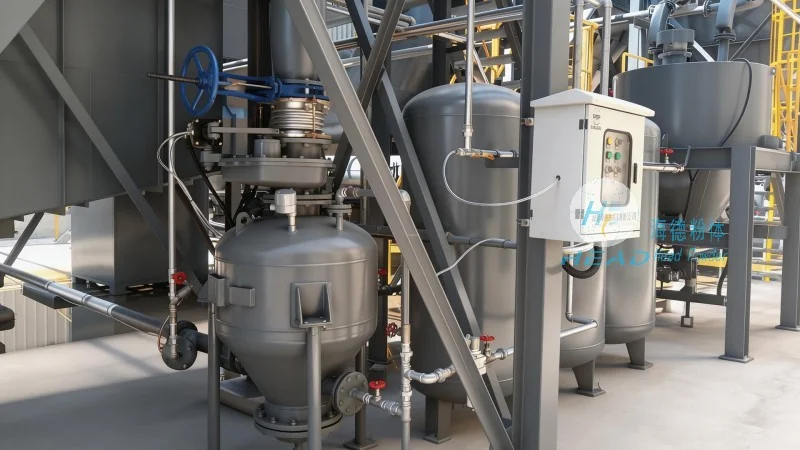
Automatic pneumatic conveying systems offer numerous advantages over traditional material handling methods. They are highly flexible, allowing for changes in the material flow path without major modifications. The system is also hygienic and easy to clean, making it suitable for food and pharmaceutical industries. Additionally, it reduces labor costs and improves safety by eliminating the need for manual handling of bulk materials. The system's compact design saves space in industrial facilities, and its ability to handle a wide range of materials makes it a versatile solution for various applications.
Applications in Different Industries
Automatic pneumatic conveying systems are widely used across various industries. In the chemical industry, they transport powders and granules for processing. In the food industry, they handle ingredients like flour, sugar, and spices, ensuring hygiene and efficiency. The pharmaceutical industry also relies on such systems for transporting raw materials and finished products. Even in the mining and construction sectors, these systems are used to move bulk materials like sand, gravel, and cement. The adaptability of the system makes it suitable for a wide range of applications, from small-scale operations to large industrial plants.




