

What is a Nitrogen-Protected Pneumatic Conveying System? And What Are Its Design Principles?
For industries dealing with sensitive materials, such as those requiring inert environments to prevent oxidation or contamination, a nitrogen-protected pneumatic conveying system offers a reliable solution. This technology combines the efficiency of pneumatic transport with the protective benefits of an inert gas atmosphere, ensuring that materials are handled safely and effectively. In this article, we explore the fundamental concepts behind these systems and delve into their design principles, highlighting how they enhance material handling processes.
Introduction to Nitrogen-Protected Pneumatic Conveying
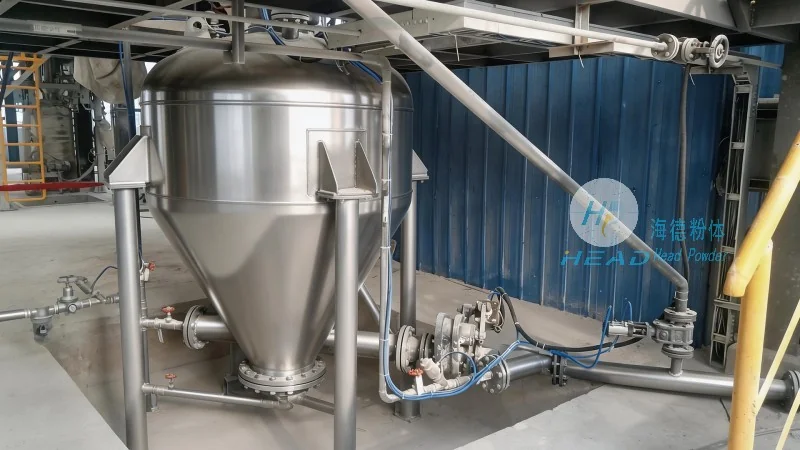
Nitrogen-protected pneumatic conveying systems are engineered to transport bulk materials through a pipeline using a pressurized gas, typically nitrogen, as the conveying medium. Unlike traditional air-based systems, nitrogen provides an inert environment that eliminates the risk of oxidation, moisture absorption, or chemical reactions that could compromise the material's quality. This makes the system ideal for handling materials like pharmaceutical powders, food ingredients, and high-value chemicals where purity and integrity are paramount.
Key Components of a Nitrogen-Protected Pneumatic Conveying System
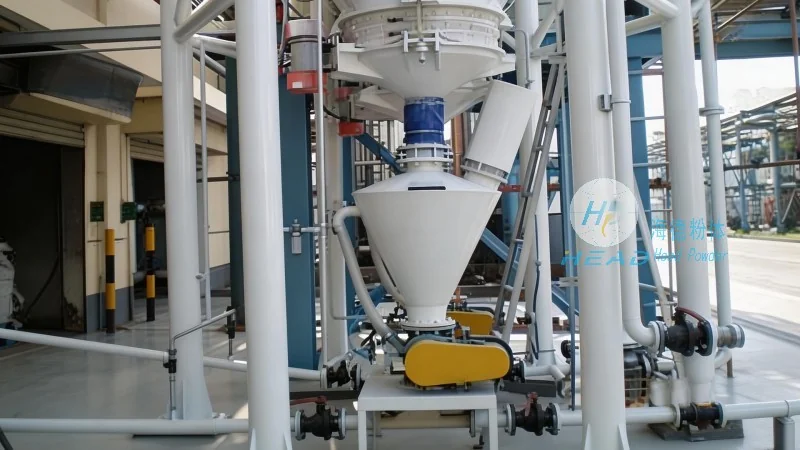
The core components of a nitrogen-protected pneumatic conveying system include the material feed hopper, the conveying line, the gas supply system, and the control unit. The feed hopper is designed to store and meter the material into the system, ensuring a consistent flow. The conveying line, often made of stainless steel or other corrosion-resistant materials, transports the material and nitrogen mixture. The gas supply system provides the pressurized nitrogen, which is typically filtered and dried to maintain purity. The control unit monitors and regulates the system's operation, ensuring optimal performance and safety.
Design Principles and Operational Considerations
The design of a nitrogen-protected pneumatic conveying system is guided by several key principles to ensure efficiency and reliability. First, the system must maintain a consistent gas pressure and flow rate to prevent material blockages or uneven transport. Second, the material's properties, such as particle size, density, and flowability, are critical factors in determining the appropriate conveying velocity and pressure. Third, the system must incorporate safety features, such as pressure relief valves and gas leak detection, to prevent accidents and ensure compliance with industry regulations. Additionally, the use of nitrogen as the conveying medium requires careful consideration of gas consumption and cost, as well as the need for proper gas handling and storage.
Advantages of Nitrogen-Protected Pneumatic Conveying
Compared to traditional air-based systems, nitrogen-protected pneumatic conveying offers several advantages. The inert atmosphere provided by nitrogen prevents material degradation, ensuring that the product's quality is maintained throughout the transport process. This is particularly important for materials that are sensitive to moisture or oxygen, as even trace amounts can cause significant changes in their properties. Additionally, the system can handle a wider range of materials, including those that are abrasive or corrosive, without damaging the equipment. The use of nitrogen also reduces the risk of fire or explosion, as it is a non-flammable gas, making it suitable for applications in hazardous environments.
Applications and Industries
Nitrogen-protected pneumatic conveying systems are widely used in various industries, including pharmaceuticals, food processing, chemical manufacturing, and electronics. In the pharmaceutical industry, these systems are used to transport active pharmaceutical ingredients (APIs) and excipients, ensuring that the final product remains pure and free from contamination. In the food industry, they are used to handle ingredients like spices, powders, and cereals, maintaining their freshness and nutritional value. In chemical manufacturing, the system is used to transport reactive chemicals, preventing unwanted reactions during transport. In the electronics industry, it is used to handle sensitive components, such as powders used in semiconductor manufacturing, ensuring that the components remain clean and free from contaminants.
Company Overview: Shandong HeadPowder Engineering Co., Ltd.
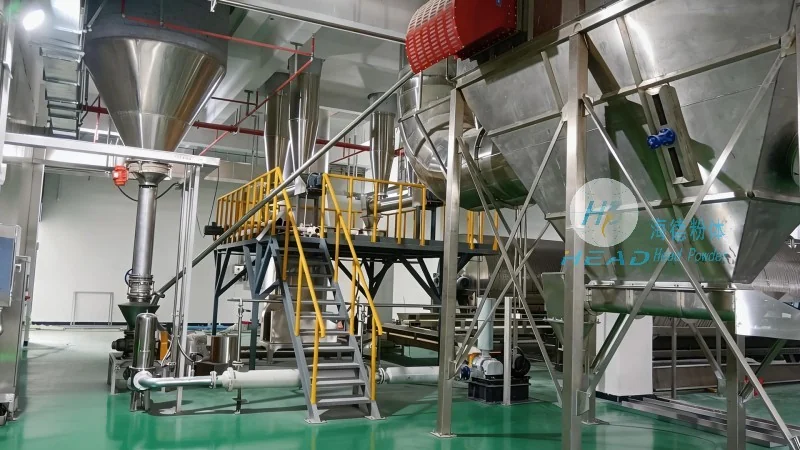
HeadPowder, a leading provider of material handling solutions, specializes in designing and manufacturing nitrogen-protected pneumatic conveying systems tailored to the needs of various industries. With years of experience in the field, the company has developed a reputation for delivering high-quality, reliable systems that meet the stringent requirements of its clients. HeadPowder's team of engineers and technicians work closely with clients to understand their specific material handling challenges and design customized solutions that optimize performance and efficiency.
Address and Contact Information
HeadPowder is located in Shandong, China, and serves clients worldwide with its innovative material handling solutions. The company's headquarters is situated in a modern facility equipped with state-of-the-art equipment and testing capabilities, ensuring that all products meet the highest standards of quality and performance.