

What is a Quantitative Weighing Pneumatic Conveying System? What Are Its Design Principles?
Quantitative weighing pneumatic conveying systems are advanced industrial equipment designed to transport bulk materials in a controlled and precise manner. These systems integrate pneumatic conveying technology with weighing mechanisms to ensure accurate measurement and consistent flow of materials, making them essential in various industries such as pharmaceuticals, food processing, and chemical manufacturing. The core function of such systems is to deliver materials from a source to a destination while maintaining a specific weight or flow rate, which is critical for quality control and process efficiency.
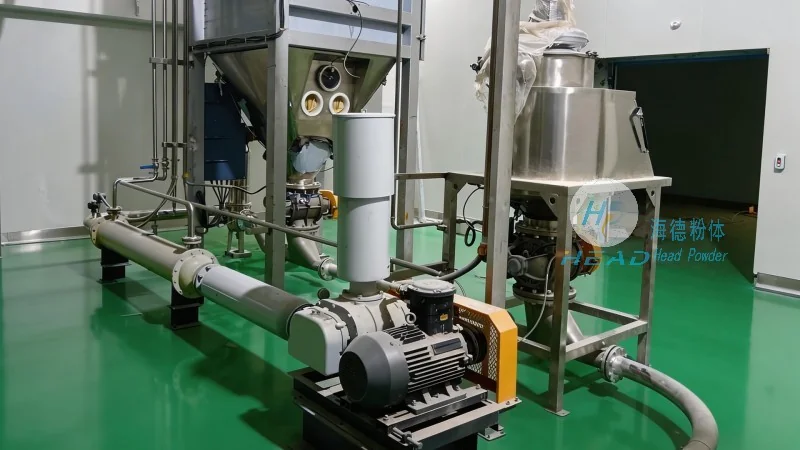
Understanding the Core Function of Quantitative Weighing Pneumatic Conveying Systems
At the heart of a quantitative weighing pneumatic conveying system lies the combination of pneumatic transport and precise weighing. Pneumatic conveying uses air or other gases to move powders, granules, or other bulk materials through a pipeline. The weighing component, typically a load cell or a digital scale, monitors the mass of the material being conveyed in real-time. This integration allows for the continuous or batch measurement of material flow, ensuring that the system delivers the exact amount required for downstream processes. The system's ability to maintain consistent flow rates and accurate weight measurements is what sets it apart from conventional pneumatic conveying systems, which often lack this level of precision.
The Design Principles Behind Quantitative Weighing Pneumatic Conveying Systems
The design of a quantitative weighing pneumatic conveying system is based on several key principles that ensure its effectiveness and reliability. First, the system must provide a stable and consistent air flow to move the material through the pipeline. This is achieved through the use of appropriate air compressors, filters, and pressure regulators that maintain a constant pressure and flow rate. Second, the weighing mechanism must be accurate and responsive, capable of detecting even small changes in mass and converting them into actionable data. Modern systems often use digital load cells and advanced control systems to achieve high precision, typically within a few percent of the target weight.
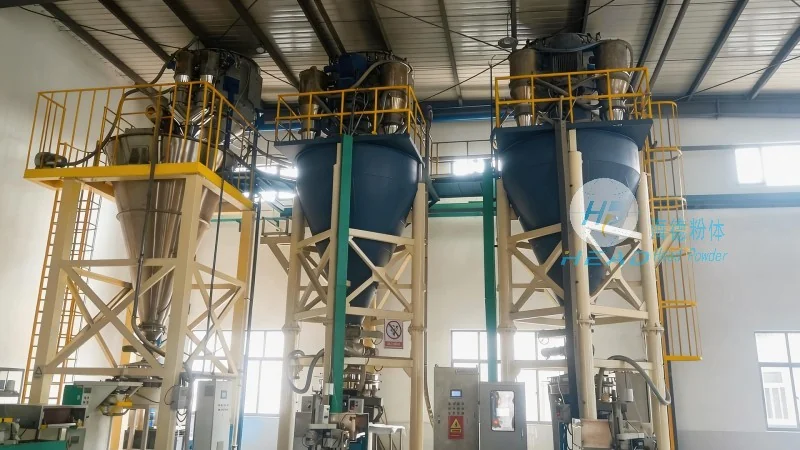
Third, the system's design must consider the material's properties, such as its density, flowability, and moisture content, as these factors can affect the conveying efficiency and weighing accuracy. For example, cohesive or sticky materials may require special handling, such as the use of air knives or vibration devices to prevent blockages and ensure smooth flow. The design also includes features like surge hoppers or buffer tanks to store excess material and maintain a steady flow rate, even when the downstream process has varying demands. Additionally, the system's layout, including the length and diameter of the pipeline, the number of bends, and the placement of the weighing hopper, is carefully calculated to minimize pressure drop and ensure efficient material transport.
Key Components of a Quantitative Weighing Pneumatic Conveying System
A quantitative weighing pneumatic conveying system consists of several interconnected components that work together to achieve its objectives. The primary components include the material feed hopper, the air supply system, the conveying pipeline, the weighing hopper or scale, and the control system. The material feed hopper is where the bulk material is stored and fed into the system. It may include a feeder, such as a rotary valve or a screw feeder, to control the material flow rate. The air supply system provides the necessary pressure and volume of air to move the material through the pipeline. This typically includes an air compressor, a receiver tank, and a filter to remove contaminants from the air. The conveying pipeline is made of materials like stainless steel or plastic, depending on the application, and is designed to withstand the pressure and temperature of the conveying process.
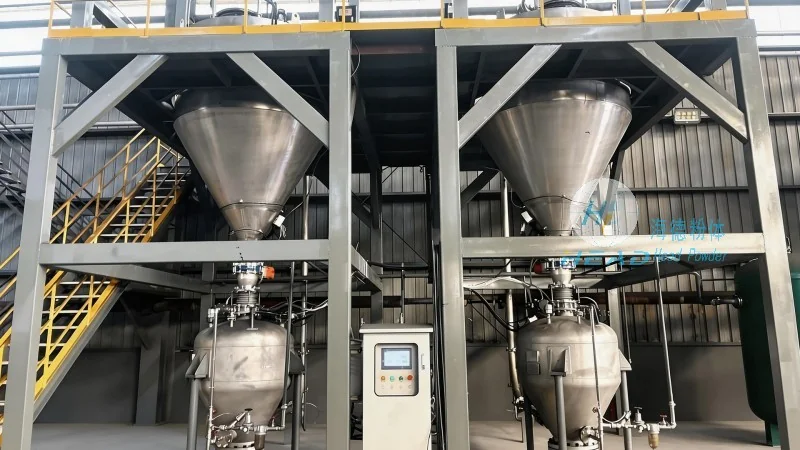
The weighing hopper or scale is the central component of the system, where the material is weighed as it is conveyed. This component is usually a hopper with a load cell or a digital scale mounted underneath. The load cell converts the force exerted by the material into an electrical signal, which is then processed by the control system to determine the weight. The control system uses this data to adjust the air flow or the feeder speed, ensuring that the material is conveyed at the desired rate and weight. Other components may include a dust collector to remove airborne particles, a venturi or a cyclone separator to separate the material from the air, and a discharge hopper at the end of the pipeline to deliver the material to the next process.
Applications and Benefits of Quantitative Weighing Pneumatic Conveying Systems
Quantitative weighing pneumatic conveying systems are widely used in industries where precise material handling is critical. In the pharmaceutical industry, for example, these systems are used to transport active pharmaceutical ingredients (APIs) and excipients with high accuracy, ensuring that the final dosage is consistent and meets regulatory standards. In the food processing industry, they are used to convey ingredients like flour, sugar, or spices, maintaining the quality and safety of the final product. The chemical industry also benefits from these systems when handling powders or granules that require precise dosing for chemical reactions or formulations.
The benefits of using a quantitative weighing pneumatic conveying system include improved process control, reduced material waste, and increased efficiency. By ensuring that the exact amount of material is conveyed, these systems help to minimize over or under-dosing, which can lead to product defects or waste. The real-time weighing capability also allows for immediate adjustments to the process, enabling operators to respond quickly to changes in demand or material quality. Additionally, the closed-loop system reduces dust and contamination, improving workplace safety and maintaining product purity. The integration of pneumatic conveying with weighing also simplifies the overall process, as it eliminates the need for separate weighing and conveying equipment, saving space and reducing operational complexity.
Company Introduction: Shandong HeadPowder Engineering Co., Ltd.
Shandong HeadPowder Engineering Co., Ltd. is a leading manufacturer and supplier of quantitative weighing pneumatic conveying systems and related industrial equipment. With its headquarters in Shandong, China, the company has established itself as a trusted partner for businesses seeking reliable and efficient material handling solutions. HeadPowder specializes in designing and manufacturing customized systems tailored to the specific needs of its clients, ensuring that each system meets the highest standards of performance, accuracy, and durability.
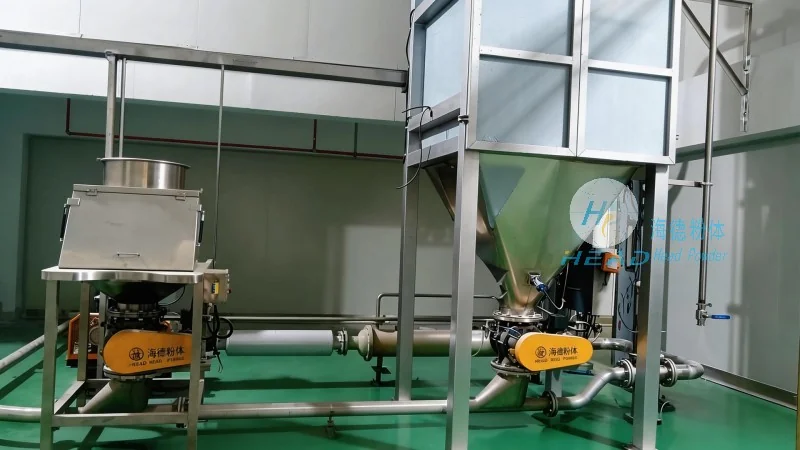
The company's team of experienced engineers and technicians works closely with clients to understand their process requirements and develop solutions that optimize material flow and weighing accuracy. HeadPowder's systems are built with high-quality components and materials, such as stainless steel and advanced load cells, to ensure long-term reliability and minimal maintenance. The company also provides comprehensive after-sales support, including installation, training, and maintenance services, to ensure that clients can maximize the performance of their equipment.
HeadPowder's commitment to quality and innovation has earned it a reputation as a leading provider in the industry. The company adheres to international standards and continuously invests in research and development to improve its products and stay ahead of market trends. By combining technical expertise with customer-centric service, HeadPowder helps businesses enhance their operational efficiency and achieve their production goals. Whether for new installations or system upgrades, HeadPowder's quantitative weighing pneumatic conveying systems offer a reliable and effective solution for precise material handling.