A powder tanker pneumatic conveying system is a specialized equipment designed for the efficient and safe transportation of powders or granular materials. It utilizes compressed air or inert gases as the driving force to move materials from the source to the destination. This system is particularly advantageous in industrial applications where long-distance, large-capacity powder transport is required. This article will introduce the fundamental concepts of a powder tanker pneumatic conveying system and its core design principles.
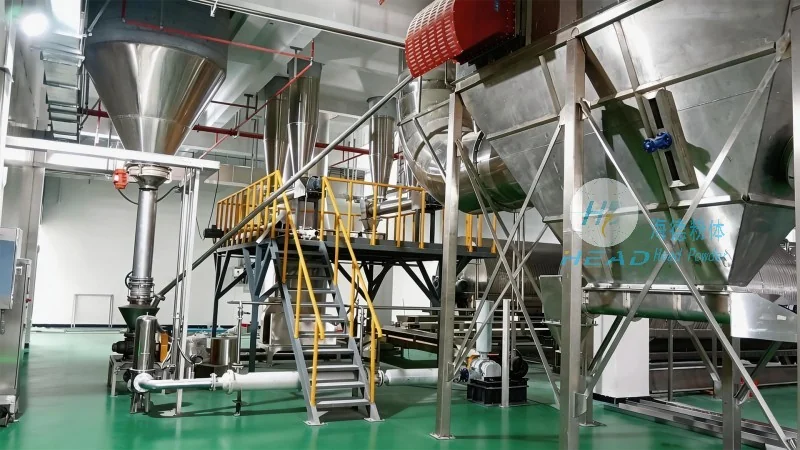
Components of a Powder Tanker Pneumatic Conveying System
A typical powder tanker pneumatic conveying system consists of several key components that work in concert to ensure efficient operation. The primary component is the powder tanker itself, which serves as the main container for storing and initiating material transport. Connected to the tanker are a network of conveying pipes that form the path for material movement. A compressed air system or vacuum system provides the necessary pressure to propel the material through the pipes. Additional components include material feed devices, gas-solid separation equipment, and control systems that regulate flow rate, pressure, and material throughput. These components collaborate to achieve stable material transport.
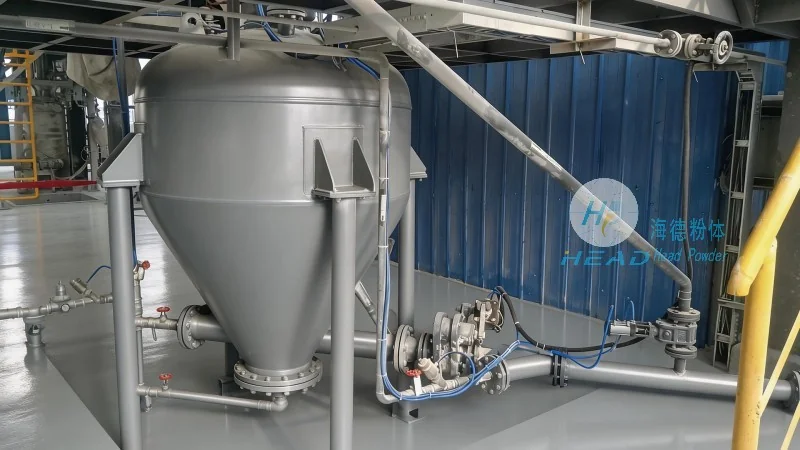
Working Principle of the Pneumatic Conveying System
The operation of a powder tanker pneumatic conveying system is based on the fundamental principles of pneumatic transport. When compressed air is injected into the tanker from the bottom or sides, the material is entrained by the air stream, forming a gas-solid two-phase flow. The material travels through the pipes, navigating bends, valves, and other components, ultimately reaching the discharge point. During the discharge phase, gas-solid separation technologies such as cyclone separators or bag filters are employed to separate the material from the air, enabling collection. Throughout the process, the system controls air pressure, flow rate, and transport distance to ensure stable and efficient material delivery.
Design Principles for the System
Designing a powder tanker pneumatic conveying system involves considering multiple critical factors to ensure system reliability and performance. The first consideration is the characteristics of the material, including its density, flowability, particle size, and tendency to agglomerate. These properties dictate the system's selection, for example, for agglomerating materials, pulse-type conveying or additional mixing devices may be required. Second, the transport distance and capacity are key parameters, with design focusing on determining pipe diameter, air pressure, and conveying speed based on actual needs. Additionally, the system must consider gas-solid separation efficiency to minimize material loss during discharge. Simultaneously, system safety and maintenance accessibility are design considerations, such as the inclusion of pressure relief valves, safety valves, and easily inspectable and maintainable parts.
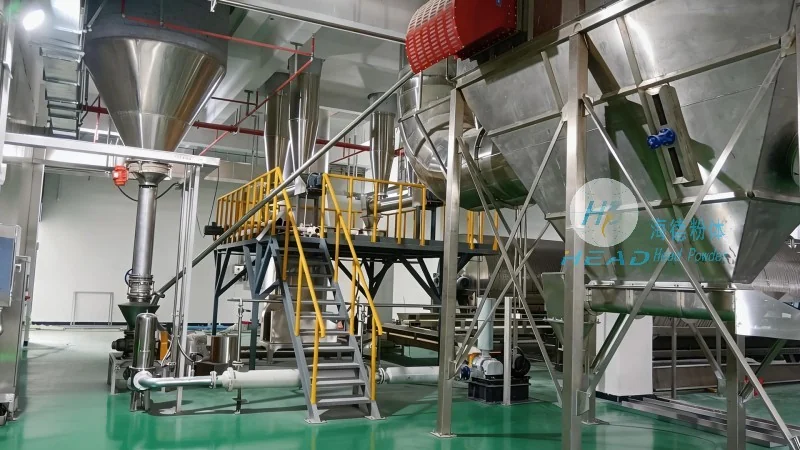
Applications and Advantages
Powder tanker pneumatic conveying systems are widely applied across industries including chemicals, food, pharmaceuticals, and construction. For instance, in the chemical industry, they are used to transport various powder chemicals; in the food industry, for ingredients like flour and sugar; and in the pharmaceutical industry, for drug powders. Compared to traditional mechanical conveying methods, pneumatic systems offer several advantages: first, the non-contact transport avoids material contamination; second, the system is compact, requiring less floor space; third, it enables long-distance, high-capacity continuous transport; and finally, the system is simple to operate and easily automated. These advantages make the powder tanker pneumatic conveying system an indispensable material handling equipment in modern industry.




