Lead powder material handling is a critical process in various industrial applications, particularly in the production of lead-acid batteries and other lead-based products. The efficient and safe transportation of lead powder is essential to ensure product quality, operational safety, and overall process efficiency. This article explores the working principles and key characteristics of lead powder material handling systems, providing insights into how these systems operate and their advantages in industrial settings.
Working Principle of Lead Powder Material Handling
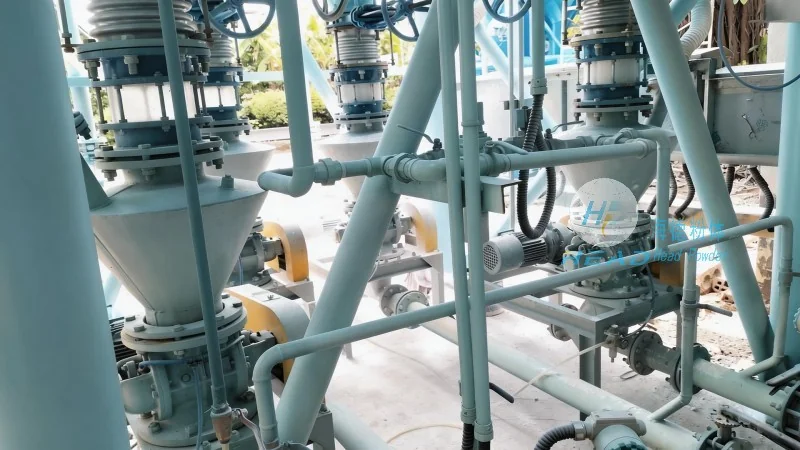
The working principle of lead powder material handling systems typically involves several key components and processes designed to handle the unique properties of lead powder. Lead powder is a fine, abrasive material that requires specialized equipment to transport without causing contamination or equipment damage. The primary working principle revolves around the use of enclosed systems, such as pneumatic conveying lines or mechanical conveying equipment, to move the powder from one location to another.
Pneumatic conveying systems, for example, use compressed air to create a flow that transports the lead powder through pipes. This method is effective for handling fine powders and can be adapted for both low and high-pressure applications. Mechanical conveying systems, on the other hand, rely on mechanical components like screw conveyors or belt conveyors to move the powder. These systems are often used for bulk material handling and can be integrated with other processing equipment.
Key Characteristics of Lead Powder Material Handling Systems
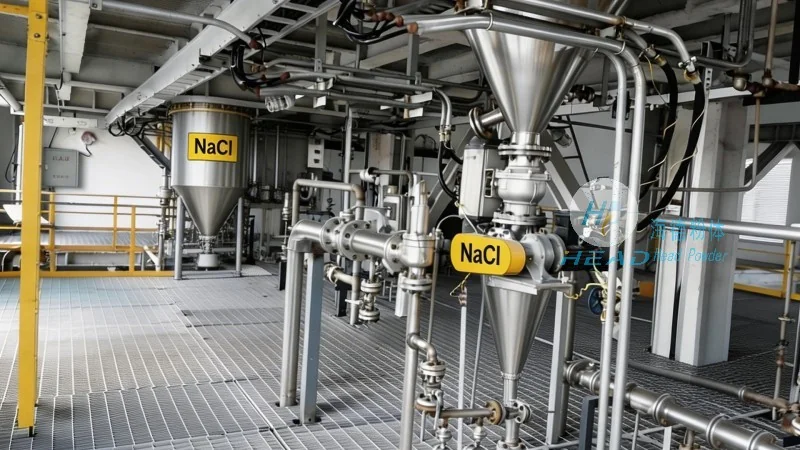
Lead powder material handling systems exhibit several distinct characteristics that make them suitable for specific industrial applications. One of the most notable characteristics is their ability to handle abrasive and potentially hazardous materials safely. The enclosed design of these systems minimizes dust exposure and prevents contamination, which is crucial in environments where lead powder is used. Additionally, these systems are designed to be energy-efficient and reliable, ensuring consistent performance over long periods.
Another key characteristic is the adaptability of lead powder handling equipment to different production scales. Whether for small-scale laboratory applications or large-scale industrial production, the systems can be customized to meet specific requirements. This flexibility allows manufacturers to optimize their material handling processes based on their production needs. Furthermore, the systems are built with durability in mind, as lead powder can be harsh on equipment components. High-quality materials and robust construction are used to ensure long service life and minimal maintenance.
Advantages of Using Lead Powder Material Handling Systems
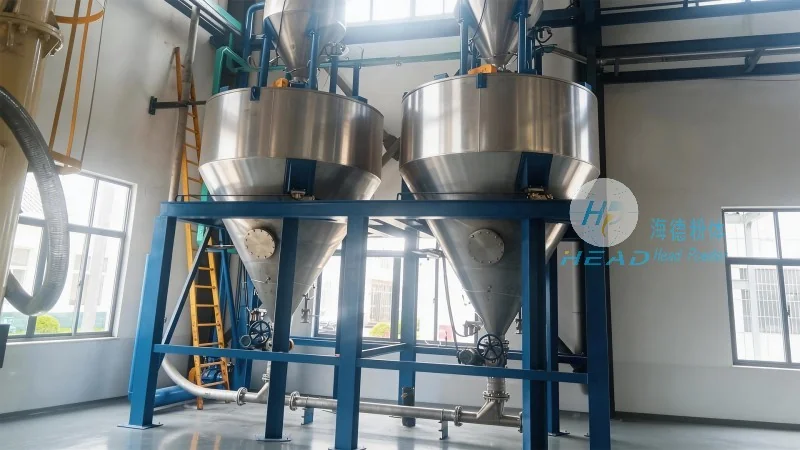
Implementing lead powder material handling systems offers several advantages for industrial operations. The primary advantage is improved safety and environmental compliance. By containing the powder within the system, the risk of dust inhalation and environmental contamination is significantly reduced. This is particularly important in industries where lead is used, as lead exposure can have adverse health effects. Additionally, the enclosed systems help maintain product purity, ensuring that the lead powder remains free from contaminants that could affect its performance in downstream processes.
Efficiency is another significant advantage of these systems. The automated nature of lead powder handling reduces the need for manual labor, minimizing human error and increasing production throughput. The consistent flow of material also helps maintain stable production rates, which is critical for meeting demand and maintaining quality standards. Furthermore, the systems are designed to be low-maintenance, with components that are easy to replace and service, reducing downtime and operational costs.




