

Working Principle and Features of Zinc Oxide Material Handling
When it comes to the efficient and reliable transport of zinc oxide materials, understanding the underlying working principles and key features of the handling systems is crucial for optimizing industrial processes. Zinc oxide, a versatile chemical compound widely used in various industries such as rubber, pharmaceuticals, and ceramics, requires specialized material handling solutions to ensure safe and efficient movement from storage to processing units.
Working Principle of Zinc Oxide Material Handling Systems
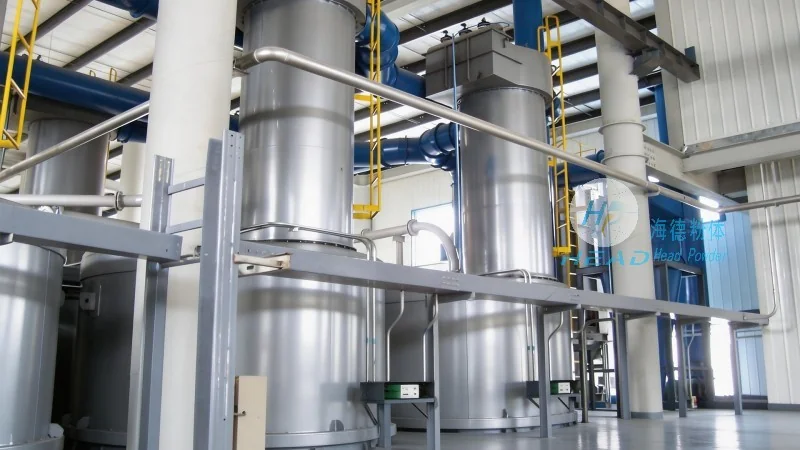
The working principle of zinc oxide material handling systems typically revolves around the integration of several key components designed to manage the flow, storage, and transfer of the material. These systems often incorporate bulk material handling equipment such as conveyors, silos, and storage bins, which are engineered to handle the specific physical properties of zinc oxide, including its particle size, density, and flow characteristics. The primary goal is to minimize material degradation, prevent contamination, and maintain consistent material quality throughout the handling process.
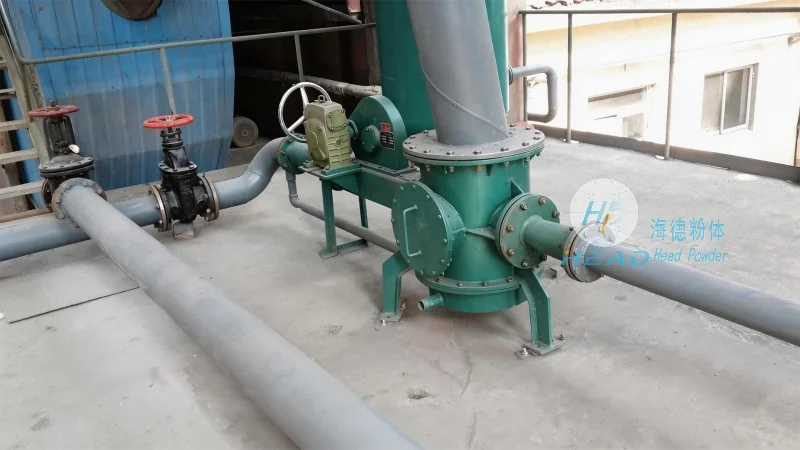
Conveyor systems, for instance, play a central role in zinc oxide material handling by transporting the material over short or long distances. Belt conveyors, screw conveyors, and pneumatic conveyors are commonly used, each offering advantages depending on the specific application requirements. Belt conveyors are ideal for transporting larger quantities of zinc oxide over moderate distances, while screw conveyors are suitable for vertical or inclined transport, ensuring the material moves smoothly without segregation. Pneumatic conveyors, on the other hand, utilize air pressure to move the material, which is particularly effective for handling fine powders like zinc oxide, minimizing dust generation and ensuring a clean transfer process.
In addition to conveyors, storage solutions like silos and hoppers are integral to zinc oxide material handling. These structures are designed to store large volumes of zinc oxide while maintaining its quality and preventing caking or agglomeration. The design of these storage units often includes features such as a conical bottom for easy discharge, aeration systems to prevent moisture buildup, and level sensors to monitor the material inventory. Proper storage is essential to avoid material degradation, which can affect the performance of downstream processes and the final product quality.
Key Features of Zinc Oxide Material Handling Systems
Effective zinc oxide material handling systems are characterized by several key features that enhance operational efficiency and safety. One of the most important features is the ability to handle the material's unique properties, such as its fine particle size and tendency to generate dust. Advanced systems incorporate dust control measures, including sealed conveyor systems, dust collection equipment, and proper ventilation, to minimize environmental impact and ensure a safe working environment for personnel.
Another critical feature is the system's flexibility and adaptability. Modern material handling solutions are designed to accommodate varying production volumes and changing material specifications, allowing for seamless integration into existing industrial processes. This adaptability is achieved through modular components, adjustable conveyor speeds, and customizable storage capacities, enabling manufacturers to scale their operations as needed without significant downtime or capital investment.
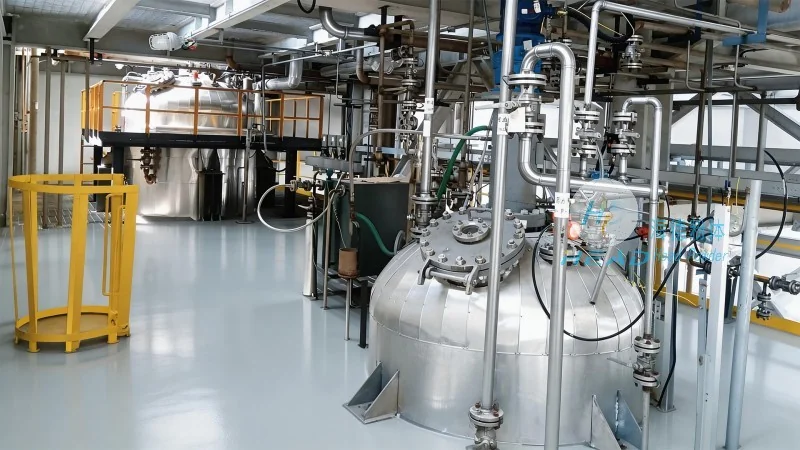
Efficiency and reliability are also paramount features of zinc oxide material handling systems. These systems are engineered to minimize downtime, reduce material loss, and maintain consistent material flow rates. Advanced control systems, such as programmable logic controllers (PLCs) and automated monitoring tools, help optimize the operation of the handling equipment, ensuring that the material is transported at the optimal speed and volume. Additionally, the use of high-quality materials and robust construction ensures that the systems can withstand the abrasive nature of zinc oxide particles, reducing maintenance costs and extending the equipment's lifespan.
Safety is a top priority in zinc oxide material handling, and modern systems incorporate various safety features to protect both the material and the personnel. These features include emergency stop buttons, overload protection mechanisms, and enclosed conveyor designs to prevent accidental release of the material. Furthermore, the systems are designed to comply with industry safety standards and regulations, ensuring that they meet the necessary requirements for handling hazardous materials like zinc oxide.
Company Profile: Shandong HeadPowder Engineering Co., Ltd.
As a leading provider of specialized material handling solutions, Shandong HeadPowder Engineering Co., Ltd. specializes in designing and manufacturing systems tailored to the unique needs of industries dealing with zinc oxide and other fine powders. With a strong commitment to quality and innovation, the company has established itself as a trusted partner for businesses seeking reliable and efficient material handling equipment.
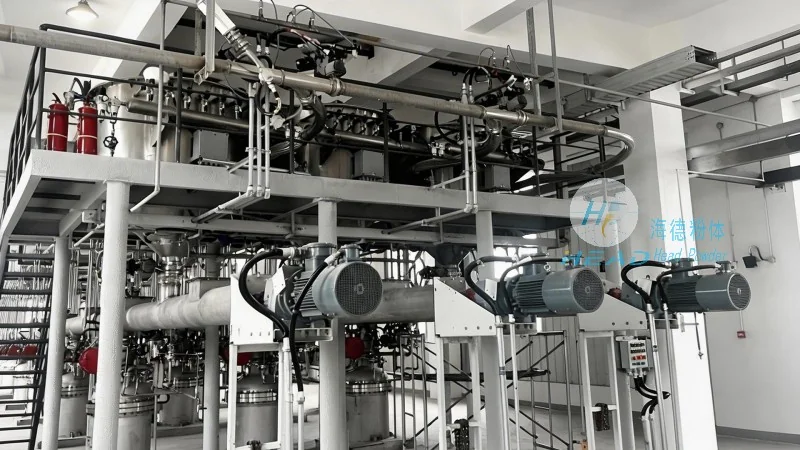
HeadPowder's expertise lies in understanding the specific challenges associated with handling zinc oxide, including its tendency to generate dust, its abrasive nature, and the need for precise control over material flow. The company's engineers work closely with clients to develop customized solutions that address these challenges, ensuring that the material is handled safely and efficiently throughout the entire process.
HeadPowder's material handling systems are built with high-quality components and robust construction, designed to withstand the demands of industrial environments. The company's focus on customer satisfaction and technical support ensures that clients receive not only reliable equipment but also comprehensive assistance throughout the installation and operation phases. With a strong presence in China, HeadPowder continues to serve a wide range of industries, providing tailored solutions that enhance operational efficiency and product quality.