Bauxite, a primary raw material for aluminum production, is often handled through pneumatic conveying systems in industrial settings. When selecting a pneumatic conveying method for bauxite transport, two main approaches are commonly considered: positive pressure and negative pressure systems. Understanding the differences between these two methods is crucial for optimizing material handling efficiency, cost-effectiveness, and operational safety. This article provides a detailed comparison of positive and negative pressure pneumatic conveying for bauxite, helping to clarify the distinctions and guide appropriate system selection.
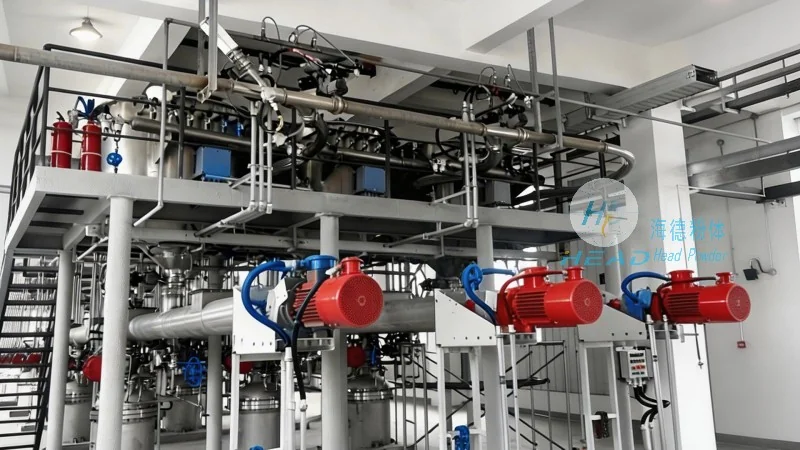
Introduction to Bauxite Pneumatic Conveying
Bauxite is typically transported from mining sites to processing facilities or storage areas using pneumatic conveying systems. These systems use air or gas to move dry bulk materials like bauxite through a pipeline network. The choice between positive and negative pressure systems depends on factors such as material properties, distance, system complexity, and operational requirements. Both methods have their own advantages and limitations, making it essential to evaluate the specific needs of the bauxite handling operation before deciding on a system type.
Positive Pressure Pneumatic Conveying Systems
Positive pressure systems operate by blowing air or gas into the conveying line, creating a pressure higher than the ambient air pressure. This method is particularly effective for transporting bauxite over longer distances or through complex network layouts. The high-pressure air forces the material to move through the pipeline, ensuring consistent flow and preventing material buildup or blockages. One of the key benefits of positive pressure systems is their ability to handle abrasive materials like bauxite without excessive wear on components. Additionally, these systems can be designed to operate at higher velocities, which can reduce the risk of material degradation during transport.
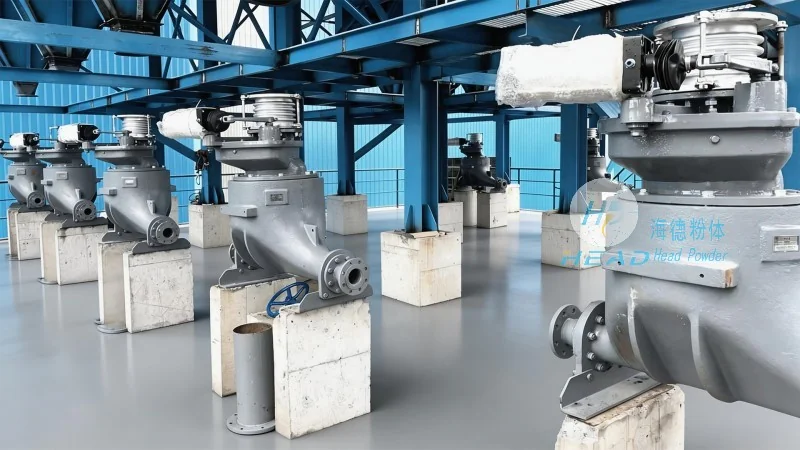
However, positive pressure systems may require more robust equipment, such as high-pressure blowers and stronger pipeline materials, which can increase initial capital costs. They also generate more noise and may require additional filtration to manage dust emissions. The system's complexity increases with the number of transfer points and the length of the conveying line, potentially leading to higher maintenance requirements.
Negative Pressure Pneumatic Conveying Systems
Negative pressure systems, also known as vacuum or suction systems, operate by creating a vacuum in the conveying line, drawing material from the source into the pipeline. This method is often preferred for shorter distances or when the material needs to be collected from multiple points. The vacuum pulls the bauxite into the system, making it suitable for applications where the material is generated at a single point and needs to be transported to a central location.
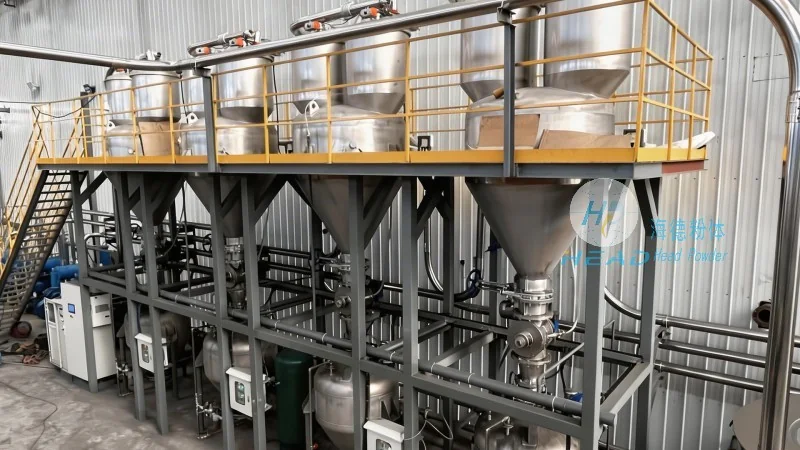
A major advantage of negative pressure systems is their lower initial cost and simpler design compared to positive pressure systems. They are generally quieter and produce less noise, which can be beneficial in environments where noise regulations are strict. The system also allows for more flexible layout designs, as the vacuum can be applied at various collection points without the need for high-pressure blowers at each transfer station.
Nevertheless, negative pressure systems have limitations, especially when handling abrasive materials like bauxite. The vacuum can cause more wear on the pipeline and components due to the constant friction of the material moving through the system. Additionally, the suction force may not be sufficient for long-distance or high-volume transport, potentially leading to lower material flow rates and increased energy consumption.
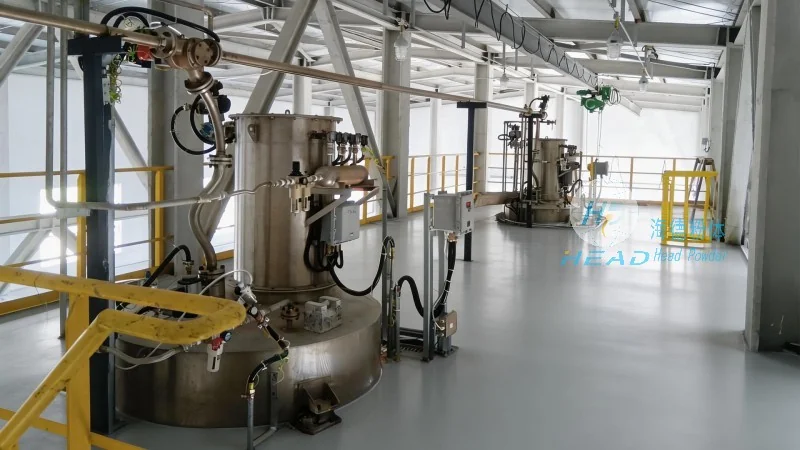
Key Factors for Choosing Between Positive and Negative Pressure Systems
When deciding between positive and negative pressure pneumatic conveying for bauxite, several factors must be considered. The distance between the source and destination is a critical factor. Positive pressure systems are generally more suitable for longer distances, while negative pressure systems are better for shorter distances or when the material is collected from multiple points. The material's properties, such as particle size, moisture content, and abrasiveness, also play a role. Abrasive materials like bauxite may benefit more from the higher pressure and velocity of positive pressure systems to minimize wear. Operational requirements, including budget constraints and noise regulations, should also be evaluated. Companies may need to balance initial costs against long-term maintenance and operational efficiency.
Conclusion
Choosing between positive and negative pressure pneumatic conveying for bauxite depends on a combination of technical, operational, and economic factors. Positive pressure systems offer advantages in long-distance transport and handling of abrasive materials but come with higher costs and complexity. Negative pressure systems are more cost-effective and flexible for shorter distances but may struggle with abrasive materials and longer transport distances. By carefully assessing the specific needs of the bauxite handling operation, including distance, material properties, and budget, industrial facilities can select the most appropriate pneumatic conveying system to ensure efficient and reliable material transport.




