

What Methods Can Be Used for Sand Transport?
For foundries and casting operations, efficient sand transport is crucial to maintaining production flow and ensuring consistent quality. The choice of sand transport method depends on various factors such as the type of sand, production volume, facility layout, and operational requirements. In this article, we explore several common methods used for sand transport, highlighting their advantages and typical applications.
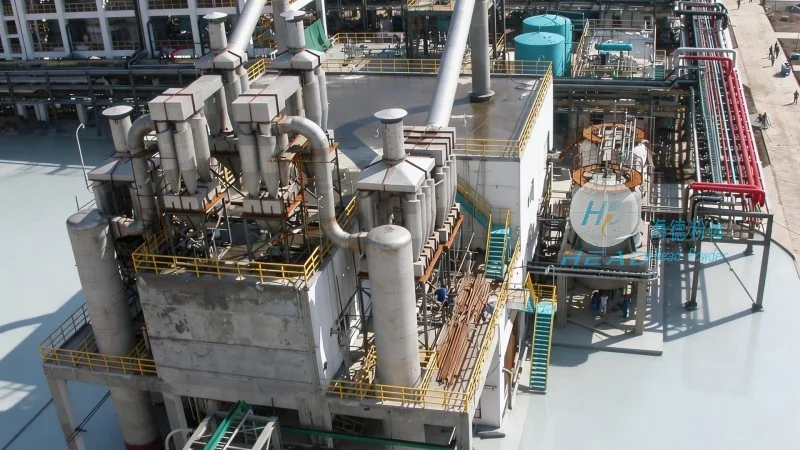
1. Belt Conveyor Systems: A Versatile Option for Horizontal and Inclined Transport
Belt conveyors are one of the most widely used methods for sand transport due to their reliability and adaptability. These systems consist of a continuous belt that moves sand from one point to another, often over horizontal or gently inclined paths. The primary advantages of belt conveyors include high capacity, low maintenance costs, and the ability to transport sand over long distances without significant loss of material. They are particularly suitable for transporting dry or slightly moist sand, and can be equipped with various accessories like idlers, pulleys, and tensioning devices to optimize performance. Belt conveyors are commonly used in foundries for moving sand from storage bins to molding machines or for returning sand from the molding process back to the reclamation system.
2. Pneumatic (Air) Conveying Systems: Ideal for Dust-Free and High-Purity Transport
Pneumatic conveying, or air conveying, is another popular method for sand transport, especially when dust control and high-purity requirements are critical. This system uses compressed air to move sand through a pipeline, separating the sand from the air at the receiving end. There are two main types of pneumatic conveying: dilute-phase and dense-phase. Dilute-phase systems use higher air velocities to transport sand as a cloud, while dense-phase systems use lower velocities to move sand in a more concentrated form. The choice between these depends on the distance, sand characteristics, and desired flow rate. Pneumatic conveyors are effective for transporting fine or abrasive sand, and they can be integrated with dust collection systems to maintain a clean working environment. This method is often preferred in applications where contamination or dust exposure must be minimized, such as in high-precision casting processes.
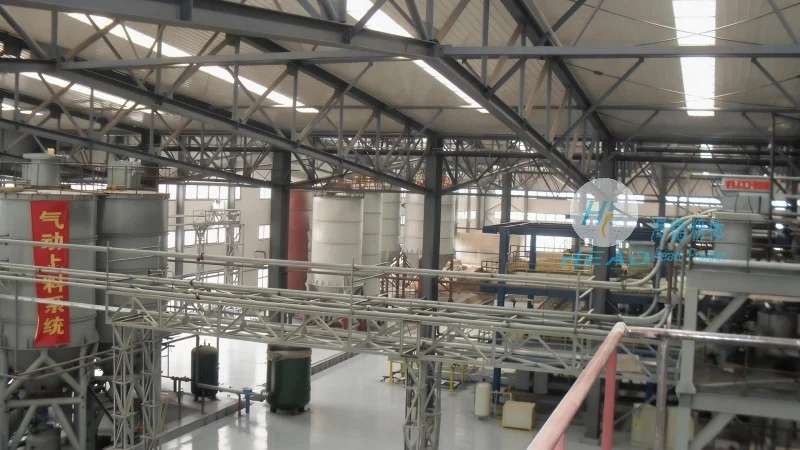
3. Screw Conveyors: Compact and Efficient for Vertical and Horizontal Transport
Screw conveyors, also known as auger conveyors, are compact and versatile equipment used for both horizontal and vertical sand transport. These systems consist of a rotating screw (auger) inside a trough or tube, which pushes sand forward as it rotates. Screw conveyors are particularly effective for handling dry, free-flowing sand and can be used to lift sand vertically or move it horizontally over short to medium distances. Their advantages include low power consumption, minimal space requirements, and the ability to operate in a closed system to prevent dust leakage. Screw conveyors are commonly used in foundries for feeding sand into molding machines, transporting sand from the molding area to storage, or for returning sand from the reclamation process. They are also suitable for applications where the sand needs to be mixed with additives or other materials before transport.
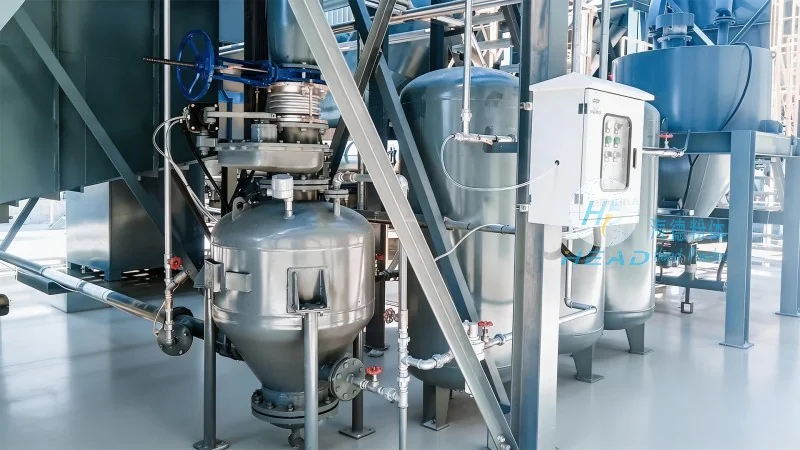
4. Bucket Elevators: High-Capacity Vertical Transport Solutions
Bucket elevators are specialized equipment designed for high-capacity vertical transport of sand and other bulk materials. These systems use a continuous chain with attached buckets that move vertically, lifting sand from a lower level to a higher one. Bucket elevators are known for their high efficiency and ability to transport large volumes of sand over significant vertical heights. They are particularly useful in foundries where vertical space is limited, and the need to move sand from the ground floor to upper levels is required. The main advantages of bucket elevators include high capacity, low maintenance, and the ability to operate continuously without interruption. However, they require careful installation and maintenance to ensure smooth operation and prevent material spillage. Bucket elevators are often used in conjunction with other sand handling equipment, such as belt conveyors or screw conveyors, to form a complete sand transport system.
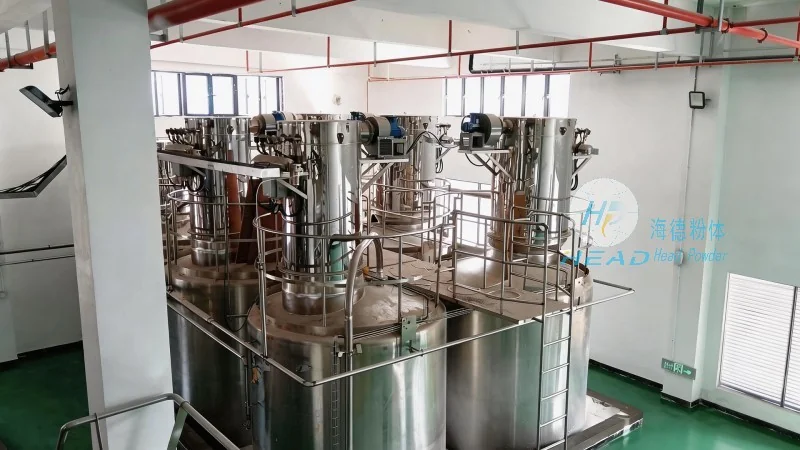
5. Vibrating Conveyors: Gentle and Efficient for Sensitive Sand Handling
Vibrating conveyors are another method used for sand transport, especially when the sand is sensitive to impact or abrasion. These systems use vibration to move sand along a trough, which can be either horizontal or inclined. The vibration helps to reduce friction and prevent material buildup, making them suitable for handling fine or abrasive sand without causing damage. Vibrating conveyors are often used in foundries for transporting sand that has been reclaimed or mixed with additives, as they can gently move the material without causing segregation or degradation. Their advantages include low noise operation, minimal maintenance, and the ability to handle a wide range of sand types. Vibrating conveyors are particularly effective for applications where the sand needs to be transported over short distances or at a controlled speed, such as from a reclamation system to a storage bin.
6. Combining Multiple Methods for Optimal Sand Transport
In many foundries, a combination of sand transport methods is used to create an efficient and flexible system. For example, a belt conveyor might be used to transport sand from a storage bin to a screw conveyor, which then moves it vertically to a bucket elevator for further processing. This integrated approach allows for seamless transfer of sand between different stages of the casting process, minimizing downtime and maximizing productivity. The choice of method or combination depends on the specific requirements of the foundry, including the type of sand, production volume, and facility layout. By carefully selecting and integrating different sand transport systems, foundries can achieve optimal performance and maintain consistent quality in their operations.