

Principle and Working Scene Characteristics of Polyolefin Powder Conveying Systems
HeadPowder, a leading provider in the field of powder handling technology, specializes in the design, manufacturing, and integration of advanced polyolefin powder conveying systems. This article delves into the fundamental principles behind these systems and highlights the key characteristics of their operational environments, offering a comprehensive overview for industry professionals seeking reliable solutions for polyolefin powder transport.
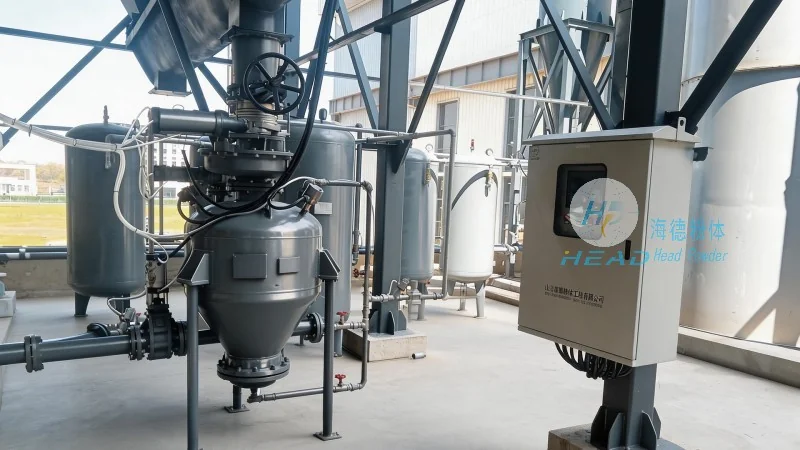
Introduction to Polyolefin Powder Conveying Systems
Polyolefin powders, such as polyethylene and polypropylene, are widely used in various industrial applications, including plastics manufacturing, chemical processing, and material handling. The efficient and safe transportation of these powders is crucial for maintaining production efficiency and ensuring product quality. Polyolefin powder conveying systems are engineered to handle these materials with precision, addressing the unique challenges posed by their physical properties, like low bulk density, static electricity, and abrasive nature. HeadPowder's expertise lies in developing customized solutions that meet the specific demands of different industrial settings, ensuring optimal performance and durability.
Core Principles of Polyolefin Powder Conveying Systems
The operation of polyolefin powder conveying systems is based on several fundamental principles that ensure effective material transport. One of the primary mechanisms is the use of positive displacement pumps or screw conveyors, which provide consistent and controlled flow rates. These systems often incorporate air-assisted or pneumatic conveying methods, where compressed air is used to create a pressure differential that propels the powder through the pipeline. The design of the system includes components like feeders, hoppers, and transition sections to ensure smooth material transfer from the storage silo to the processing equipment. Additionally, the incorporation of static elimination devices and filtration systems is critical to prevent material buildup and maintain system integrity, addressing the common issue of static electricity in polyolefin powders.
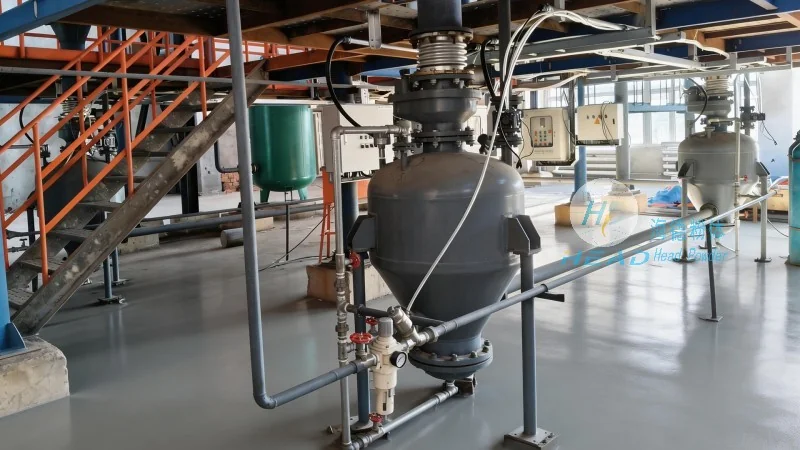
Key Working Scene Characteristics
The operational environments where polyolefin powder conveying systems are deployed exhibit distinct characteristics that influence system design and performance. Industrial settings, such as plastic manufacturing plants, chemical processing facilities, and material handling centers, require systems that can handle high volumes of material with minimal downtime. The systems are typically installed in environments with varying temperatures and humidity levels, necessitating robust construction materials and temperature-resistant components. Another critical characteristic is the need for dust control and environmental compliance, as polyolefin powders can generate airborne particles that require effective containment measures. The systems are also designed to integrate seamlessly with existing production lines, ensuring compatibility with other equipment and facilitating smooth workflow transitions. Furthermore, the working scenes often demand systems that can handle different particle sizes and moisture contents, making customization a key aspect of the design process.
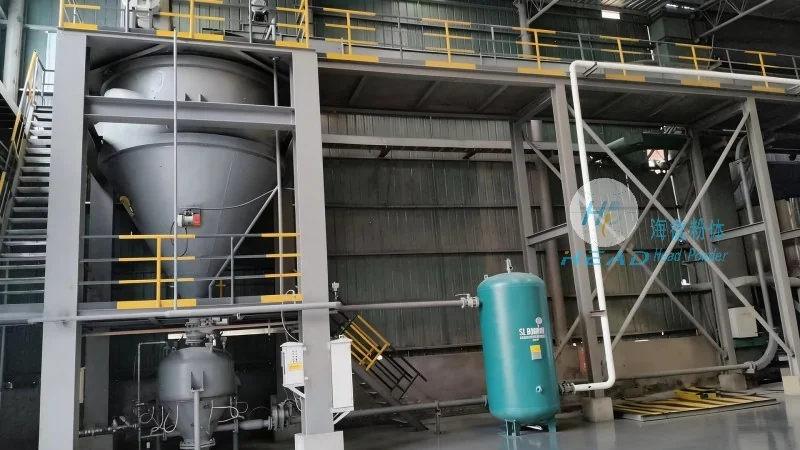
Application Scenarios and Industry Impact
Polyolefin powder conveying systems find extensive applications across multiple industries, each with its unique operational requirements. In the plastics industry, these systems are essential for transporting raw materials to extrusion and molding machines, ensuring a continuous supply of high-quality polyolefin powders. In chemical processing, they facilitate the transport of polyolefin powders between reactors and storage tanks, supporting efficient production cycles. The material handling sector also benefits from these systems, as they enable the safe and efficient movement of polyolefin powders in bulk, reducing manual handling risks and improving overall operational efficiency. The characteristics of these working scenes, including high production throughput, strict quality control, and environmental regulations, drive the development of advanced conveying systems that meet the evolving needs of the industry. HeadPowder's solutions are tailored to these scenarios, providing reliable and efficient polyolefin powder transport solutions that enhance productivity and reduce operational costs.
Conclusion and Company Overview
HeadPowder Engineering Co., Ltd., based in Shandong, China, is a trusted name in the development of polyolefin powder conveying systems. With a focus on innovation and customer-centric solutions, the company has established itself as a leader in providing advanced powder handling technologies. The principles and characteristics discussed in this article underscore the importance of specialized engineering in designing effective polyolefin powder conveying systems. By understanding the core operational principles and the unique demands of different working environments, industry professionals can select the most suitable conveying solutions to optimize their production processes. HeadPowder's commitment to quality, reliability, and customization ensures that their systems meet the highest standards, delivering long-term value to their clients in the polyolefin processing industry.