When it comes to transporting corn efficiently and safely, various methods are employed in agricultural and industrial settings. Understanding the different approaches to corn conveying is crucial for optimizing operations and ensuring the quality of the grain. This article explores the primary methods used for corn transportation, highlighting the technologies and equipment that facilitate these processes.
Types of Corn Conveying Systems
One of the most common methods of corn conveying is through the use of belt conveyors. These systems utilize a continuous belt, often made of rubber or synthetic materials, to transport corn from one location to another. Belt conveyors are widely used in grain handling facilities due to their ability to handle large volumes of corn with minimal maintenance. The design typically includes a drive system, idlers, and a frame that supports the belt, ensuring smooth and consistent movement of the grain. This method is particularly effective for horizontal and slight incline transport, making it suitable for loading trucks, silos, and processing plants.
Auger Conveyors for Corn Handling
Another popular method is the use of auger conveyors, also known as screw conveyors. These systems consist of a rotating screw inside a tube or housing, which moves corn along the length of the conveyor. The auger mechanism is highly effective for vertical and inclined transport, allowing corn to be lifted and moved to higher elevations without the need for additional equipment. Auger conveyors are commonly used in grain storage facilities and processing plants to transfer corn from storage bins to processing equipment. They are particularly advantageous for handling bulk corn, as they can move large quantities with minimal space requirements. The design of auger conveyors includes a helical screw that rotates, pushing the corn forward through the tube, and a discharge mechanism at the end to release the grain.
Air-Flow Conveying Systems
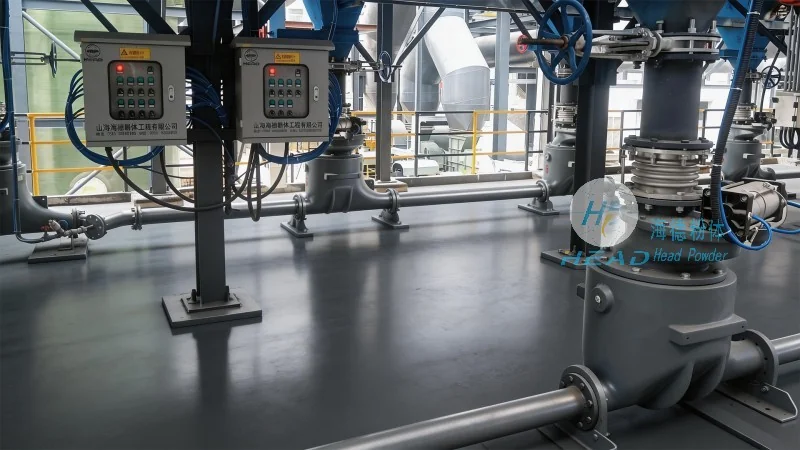
For applications requiring long-distance or high-efficiency corn transport, air-flow or pneumatic conveying systems are often employed. These systems use air pressure to move corn through a pipeline, similar to how a vacuum cleaner operates but on a larger scale. The corn is suspended in the air stream and transported through the pipeline to the destination. Air-flow conveyors are particularly useful for transporting corn in a dust-free environment, which is essential for maintaining grain quality and preventing contamination. They are commonly used in grain handling facilities to move corn from storage to processing areas or for loading into transport vehicles. The efficiency of air-flow systems is high, as they can move large volumes of corn quickly and with minimal energy consumption compared to other methods.
Hybrid Conveying Solutions
In many industrial settings, hybrid conveying systems are used to combine the benefits of different methods. For example, a combination of belt conveyors and auger conveyors might be used to transport corn from a storage bin to a processing line. This approach allows for flexibility in handling different types of corn and varying transport requirements. Hybrid systems are often designed to optimize the entire corn handling process, ensuring that each component works in harmony to achieve maximum efficiency. The use of hybrid solutions is particularly common in large-scale agricultural operations where multiple stages of corn processing are involved.
Factors to Consider When Choosing a Corn Conveying Method
When selecting a corn conveying method, several factors must be considered to ensure the most suitable solution for a specific application. The volume of corn to be transported is a key factor, as larger volumes may require more robust equipment such as belt conveyors or air-flow systems. The distance between the source and destination also plays a role, with longer distances often necessitating air-flow or hybrid systems for efficiency. The type of corn being handled, including its moisture content and size, can affect the choice of conveyor, as some methods are better suited for wet or dry corn. Additionally, the available space and budget constraints are important considerations, as different conveying systems have varying installation and operational costs. By evaluating these factors, businesses can choose the most effective corn conveying method to meet their operational needs.
Conclusion
Various methods of corn conveying are available, each with its own advantages and applications. Belt conveyors, auger conveyors, and air-flow systems are among the most common, offering different benefits in terms of efficiency, flexibility, and cost. The choice of method depends on the specific requirements of the operation, including the volume of corn, the distance to be covered, and the type of corn being handled. By understanding these options and considering the relevant factors, businesses can select the most appropriate corn conveying system to optimize their grain handling processes. For those seeking reliable and efficient corn conveying solutions, Shandong HeadPowder Engineering Co., Ltd. offers a range of high-quality equipment designed to meet the diverse needs of agricultural and industrial operations.




