For agricultural operations, efficiently handling silage is crucial to maintaining feed quality and operational productivity. Silage, a fermented forage used as animal feed, requires reliable transport systems to move it from storage to feeding areas. Traditional methods like conveyor belts or screw conveyors have been widely used, but modern farming demands more efficient, hygienic, and automated solutions. This article explores the various silage transport methods available and focuses on the advanced pneumatic conveying system offered by Shandong HeadPowder Engineering Co., Ltd., a leading provider in the industry.
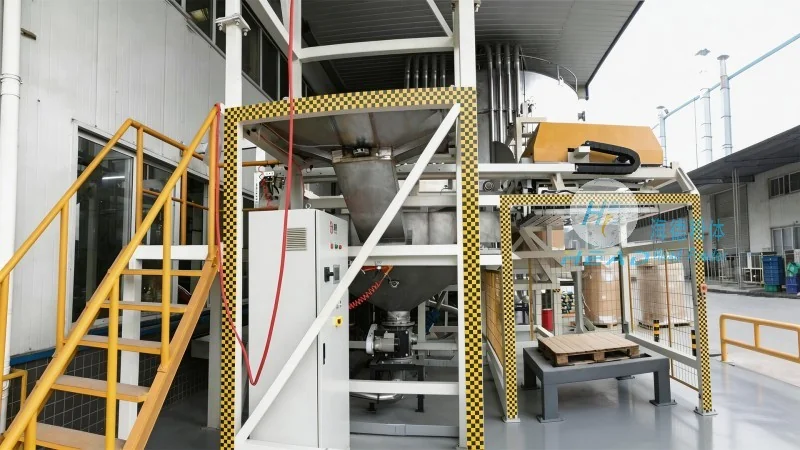
Understanding Silage Transport Options
Before delving into specific technologies, it's essential to understand the common approaches to silage transport. Mechanical systems, such as belt conveyors and screw conveyors, have long been staples in agricultural settings. Belt conveyors use a continuous belt to move silage in a linear path, while screw conveyors utilize a rotating screw to push material forward. These methods are effective for short to medium distances and are relatively low-cost to install. However, they have limitations, including the need for regular maintenance, potential for material spillage, and the risk of contamination from contact with the conveying equipment.
Pneumatic Conveying: A Modern Solution for Silage Transport
As agricultural practices evolve, pneumatic conveying has emerged as a preferred method for silage transport due to its numerous advantages. Pneumatic systems use air pressure to move silage through a network of pipes, eliminating the need for physical contact between the material and the transport equipment. This not only reduces contamination risks but also minimizes wear and tear on the system components. The HeadPowder pneumatic conveying system is engineered to handle the unique challenges of silage, including its moisture content and fibrous texture, ensuring consistent and reliable transport.
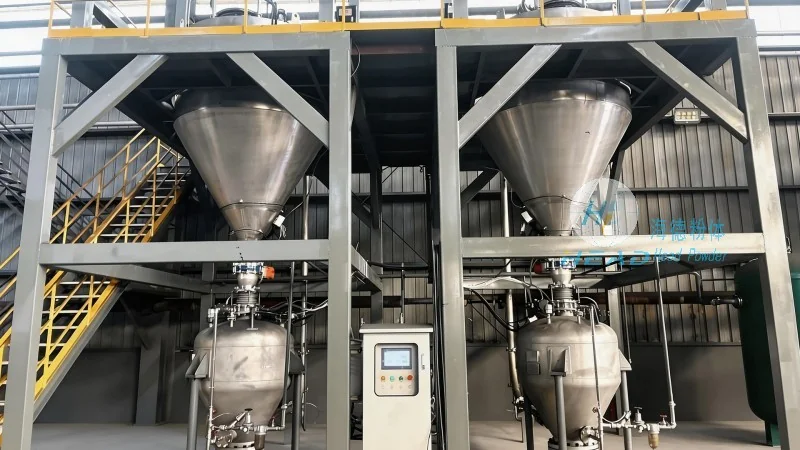
Key Features of HeadPowder's Pneumatic Conveying System
The HeadPowder pneumatic conveying system is designed with several key features that enhance its performance and suitability for silage transport. Firstly, the system utilizes high-efficiency centrifugal blowers that generate the necessary air pressure to move silage through the pipeline. These blowers are built to withstand the demands of continuous operation and are equipped with advanced control systems to maintain optimal pressure levels. Secondly, the system incorporates a series of flexible and durable pipes, typically made from food-grade materials, to ensure the safe and hygienic transport of silage. The pipes are designed to minimize pressure loss and reduce the risk of blockages, which can occur with fibrous materials like silage.
Thirdly, the HeadPowder system includes advanced separation and cleaning components. As silage travels through the pipes, it may encounter particles or debris that could cause blockages. The system features high-efficiency cyclone separators and filters that capture these particles, preventing them from clogging the pipeline and ensuring smooth operation. Additionally, the system incorporates self-cleaning mechanisms that help maintain the cleanliness of the pipes, reducing maintenance requirements and extending the lifespan of the equipment.
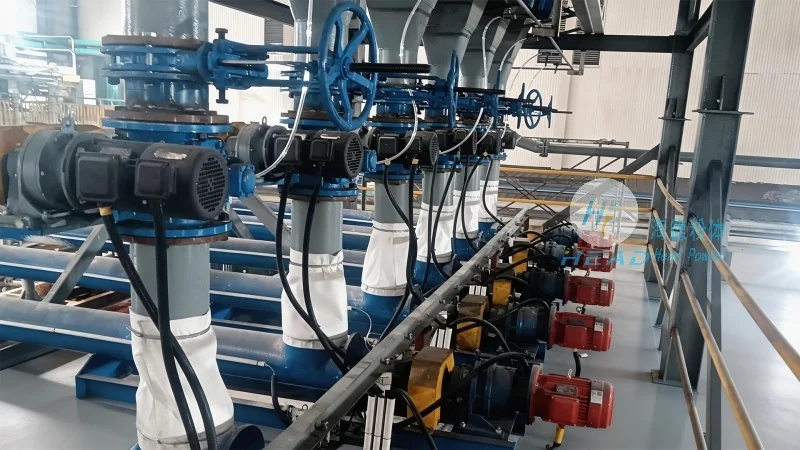
Advantages of Choosing HeadPowder's Pneumatic Conveying System
Implementing HeadPowder's pneumatic conveying system offers several significant advantages for agricultural operations. One of the primary benefits is the enhanced hygiene and cleanliness of the transport process. By eliminating physical contact between the silage and the equipment, the system reduces the risk of contamination from bacteria, mold, or other pathogens, which is critical for maintaining the nutritional quality of the feed. This is particularly important for dairy and livestock operations where feed quality directly impacts animal health and productivity.
Another key advantage is the improved efficiency and speed of silage transport. Pneumatic systems can move large volumes of silage over long distances in a short amount of time, compared to traditional mechanical methods. This allows farmers to optimize their feeding schedules and reduce downtime associated with manual handling or equipment maintenance. The automated nature of the system also minimizes labor requirements, freeing up staff to focus on other critical tasks in the farm operation.
Furthermore, the HeadPowder system is designed for durability and low maintenance. The use of high-quality materials and robust construction ensures that the equipment can withstand the harsh conditions of agricultural environments, including exposure to moisture, dust, and temperature fluctuations. The advanced control systems and monitoring features allow for real-time tracking of system performance, enabling timely maintenance and reducing the risk of unexpected breakdowns. This reliability is essential for maintaining consistent feed supply and operational continuity.
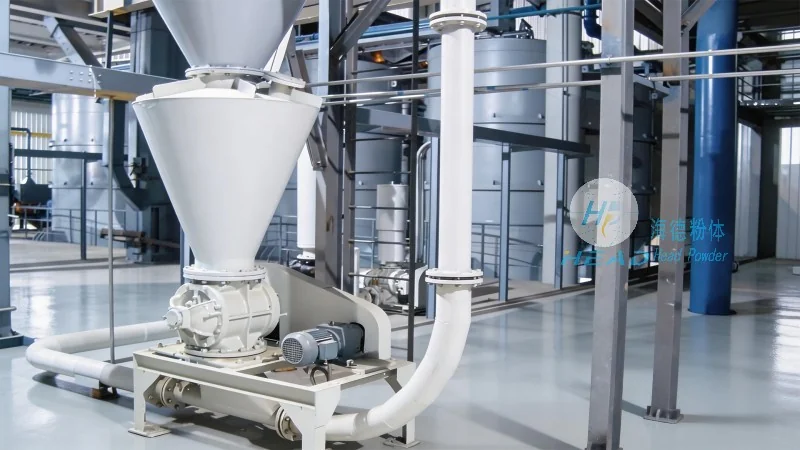
Application Scenarios and Farm-Scale Suitability
The HeadPowder pneumatic conveying system is suitable for a wide range of agricultural operations, from small family farms to large commercial dairy and livestock facilities. For smaller farms, the system can be scaled to handle daily silage requirements, ensuring efficient feeding without the need for extensive infrastructure. For larger operations, the system can be integrated into existing silo structures or designed as a standalone transport solution, accommodating high-volume feed needs. The modular design of the system allows for easy expansion as farm operations grow, providing a long-term investment that meets evolving needs.
In conclusion, the HeadPowder pneumatic conveying system represents a modern and effective solution for silage transport. By combining advanced technology with robust engineering, the system addresses the limitations of traditional mechanical methods and offers significant benefits in terms of hygiene, efficiency, and durability. For agricultural operations seeking to enhance their feed handling capabilities, the HeadPowder system provides a reliable and efficient option that aligns with the demands of modern farming.




