Titanium dioxide, a widely used white pigment and photocatalyst, is often handled in bulk quantities. Pneumatic conveying is a key technology for efficiently transporting such powders, and understanding its principles is crucial for industrial applications. This article explores the concept of titanium dioxide pneumatic conveying and its underlying design principles, with insights from Shandong HeadPowder Engineering Co., Ltd., a leading provider in the field.
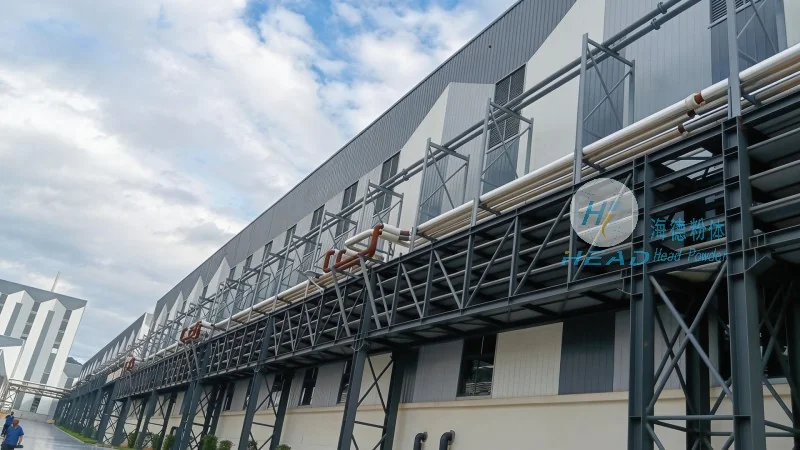
Understanding Pneumatic Conveying for Titanium Dioxide
Pneumatic conveying involves the transport of particulate materials, such as titanium dioxide, using a gas stream (usually air) to move the material through a pipeline. This method offers advantages over traditional mechanical conveying, including reduced equipment wear, lower maintenance costs, and the ability to handle fine powders without clogging. For titanium dioxide, which is often in a fine powder form, pneumatic conveying is particularly effective due to its high flowability and the need for clean, dust-free transport to maintain product quality.
Key Design Principles of Titanium Dioxide Pneumatic Conveying Systems
The design of a pneumatic conveying system for titanium dioxide must consider several critical factors to ensure efficiency, reliability, and product integrity. These principles include:
1. **System Type Selection**: The choice between positive pressure, negative pressure, or a combination of both depends on the specific application. Positive pressure systems are common for titanium dioxide, as they can handle long distances and multiple transfer points without significant pressure drops. Negative pressure systems are used for applications requiring minimal dust emissions but may have limitations in distance and material handling capacity.
2. **Air Flow Rate and Velocity**: The air velocity in the pipeline must be sufficient to keep the titanium dioxide particles suspended and prevent deposition. Typically, the velocity is maintained above the minimum fluidization velocity to ensure smooth transport. The air flow rate is calculated based on the material's bulk density, particle size, and the desired conveying capacity.
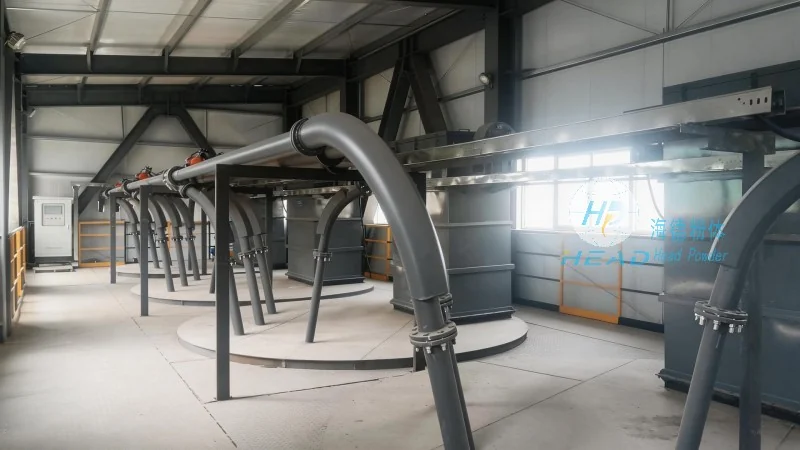
3. **Pipeline Sizing and Layout**: Proper pipeline sizing is essential to minimize pressure losses and energy consumption. The diameter and length of the pipeline are determined by the material's flow characteristics and the required conveying rate. The layout should include appropriate bends, elbows, and expansion joints to accommodate changes in direction and reduce friction losses.
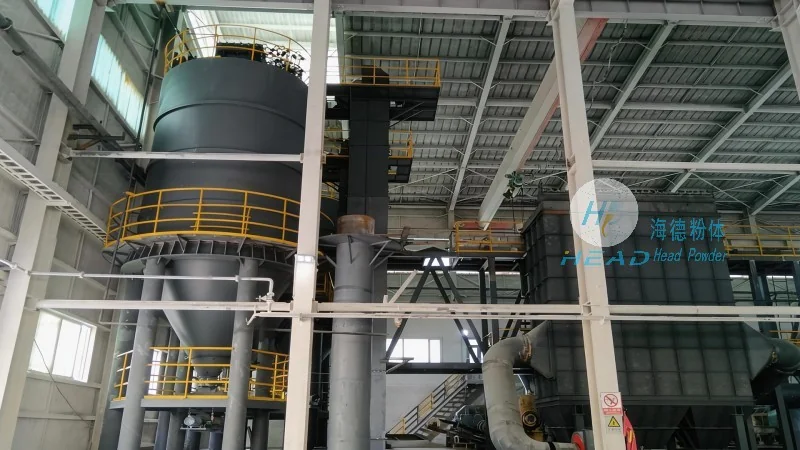
4. **Material Handling Equipment**: The system includes components such as feeders, silos, and receivers. The feeder, often a rotary valve or a venturi feeder, controls the material flow rate and prevents blockages. The silo stores the titanium dioxide and provides a buffer for the conveying process. The receiver collects the material at the destination and may include a dust collection system to ensure environmental compliance.
Role of Shandong HeadPowder Engineering Co., Ltd. in Pneumatic Conveying Solutions
Shandong HeadPowder Engineering Co., Ltd. specializes in designing and manufacturing customized pneumatic conveying systems tailored to the unique needs of titanium dioxide applications. With years of experience in the industry, the company understands the challenges associated with handling fine powders and has developed advanced solutions to address them. Their expertise includes:
1. **Custom System Design**: Each project is approached with a thorough analysis of the client's requirements, including material properties, conveying distance, and operational conditions. This ensures that the system is optimized for maximum efficiency and minimal downtime.
2. **Material Compatibility**: The company uses materials that are compatible with titanium dioxide, such as stainless steel and special coatings, to prevent contamination and corrosion. This is critical for maintaining the purity of the pigment and extending the equipment's lifespan.
3. **Integration and Automation**: Modern pneumatic conveying systems often include automation features to enhance control and monitoring. HeadPowder's solutions may incorporate sensors and control systems to adjust air flow, pressure, and material feed rates in real-time, improving operational efficiency and reducing human error.
Benefits of Titanium Dioxide Pneumatic Conveying
Implementing a well-designed pneumatic conveying system for titanium dioxide offers several benefits that impact both operational performance and cost-effectiveness. These include:
1. **Enhanced Product Quality**: By minimizing exposure to external contaminants and reducing particle agglomeration during transport, the system helps maintain the high purity and optical properties of titanium dioxide. This is crucial for applications in coatings, plastics, and cosmetics where product quality is paramount.
2. **Improved Safety and Environmental Compliance**: Pneumatic conveying systems are enclosed, reducing dust emissions and improving workplace safety. The use of filtration systems and proper ventilation ensures compliance with environmental regulations, protecting both the workforce and the environment.
3. **Increased Efficiency and Cost Savings**: Efficient system design reduces energy consumption and maintenance costs. The ability to handle large volumes of material with minimal labor and equipment wear translates into significant cost savings over time.
Conclusion
Titanium dioxide pneumatic conveying is a sophisticated technology that plays a vital role in the efficient handling of this essential industrial material. The design principles, including system type selection, air flow management, and equipment integration, are critical to achieving optimal performance. Companies like Shandong HeadPowder Engineering Co., Ltd. provide the expertise and customized solutions needed to implement effective pneumatic conveying systems, ensuring that titanium dioxide is transported safely, efficiently, and with minimal impact on product quality. As the demand for high-quality titanium dioxide continues to grow, the importance of reliable and well-designed pneumatic conveying systems will only increase, making them an indispensable part of modern industrial operations.




