

What is Hot Dry Ash Pneumatic Conveying? What Are the Design Principles?
Hot dry ash pneumatic conveying is a specialized technology used in industrial applications to transport dry ash from power plants or other combustion facilities. This method involves using a stream of air or gas to move the ash particles through a pipeline system. The process is particularly important for efficient and safe disposal of ash, which is a byproduct of coal or other fuel combustion. Understanding the design principles behind this system is crucial for optimizing performance and ensuring reliable operation in industrial settings. As a leading manufacturer in the field, Shandong HeadPowder Engineering Co., Ltd. specializes in designing and manufacturing high-quality hot dry ash pneumatic conveying systems that meet the needs of industrial clients.
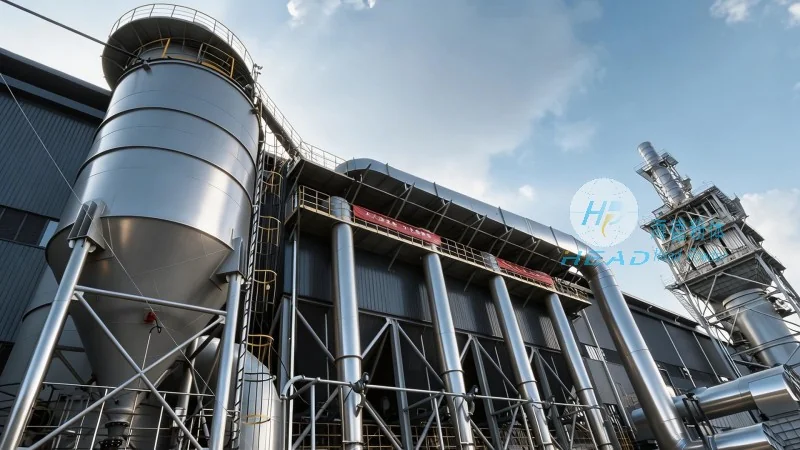
Key Components of Hot Dry Ash Pneumatic Conveying Systems
A typical hot dry ash pneumatic conveying system consists of several key components that work together to achieve efficient ash transport. These components include ash feeders, which are responsible for feeding the ash into the conveying line at a controlled rate. The conveying line itself is often made of materials that can withstand high temperatures and abrasive conditions, such as stainless steel or specialized alloys. Additionally, the system includes a blower or fan that generates the necessary air pressure to move the ash particles through the pipeline. At the receiving end, a separator or cyclone is used to separate the ash from the air stream, allowing the ash to be deposited in a designated storage area. The entire system is designed to handle the unique characteristics of hot dry ash, including its high temperature and potential for abrasion.
Design Principles for Efficient Hot Dry Ash Pneumatic Conveying
The design of a hot dry ash pneumatic conveying system follows several key principles to ensure optimal performance. First, the system must be able to handle the high temperature of the ash, typically ranging from 200 to 400 degrees Celsius, without degradation or damage to the components. This requires the use of materials that are heat-resistant and durable under such conditions. Second, the system must be able to handle the abrasive nature of the ash particles, which can cause wear and tear on the pipeline and other components. This is addressed through the use of wear-resistant materials and proper design of the conveying line, such as using smooth surfaces and appropriate diameters. Third, the system must maintain a consistent air flow and pressure to ensure reliable ash transport. This is achieved through the use of high-quality blowers and proper sizing of the pipeline. Finally, the system must be designed for easy maintenance and cleaning, as ash can accumulate in the pipeline and other components over time.
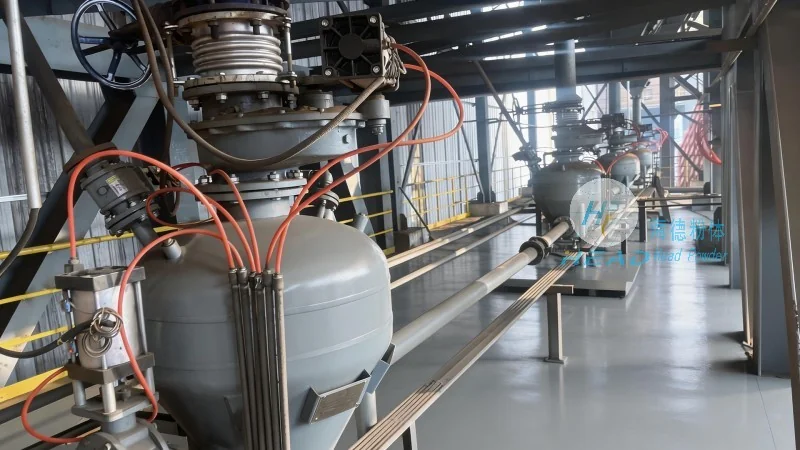
Advantages of Hot Dry Ash Pneumatic Conveying
There are several advantages to using hot dry ash pneumatic conveying systems in industrial applications. One of the main advantages is the ability to transport ash over long distances without the need for additional equipment or infrastructure. This makes it ideal for power plants that need to move ash from the combustion facility to a storage or disposal site. Another advantage is the reduced risk of dust and emissions compared to other methods of ash transport, such as trucking or belt conveyors. The system also allows for better control over the ash flow rate and pressure, which can help to optimize the overall operation of the power plant. Additionally, the system can be designed to be flexible, allowing for changes in the ash feed rate or distance as needed.
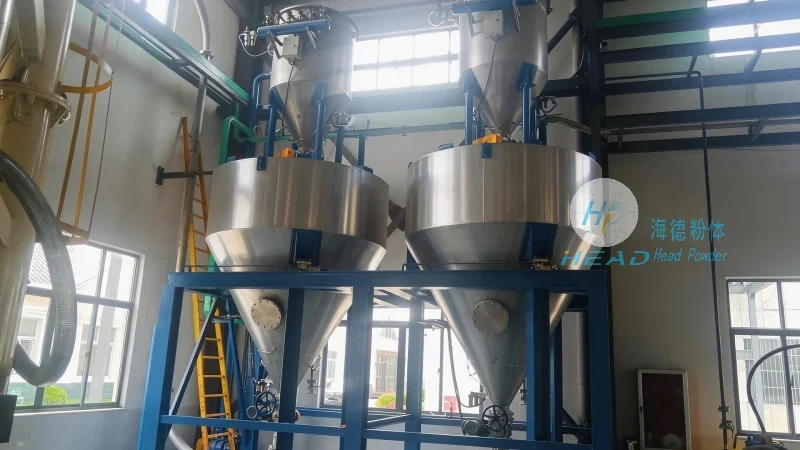
Applications of Hot Dry Ash Pneumatic Conveying
Hot dry ash pneumatic conveying systems are used in a variety of industrial applications, primarily in the power generation industry. These systems are commonly used in coal-fired power plants, where the ash produced from burning coal is transported from the boiler to a storage facility. The system can also be used in other combustion facilities, such as those burning natural gas or biomass, where ash is produced as a byproduct. In addition to power plants, the technology is also used in other industries, such as cement production and metal processing, where ash is a byproduct of the manufacturing process. The versatility of the system makes it suitable for a wide range of applications where efficient and reliable ash transport is required.
Conclusion
Hot dry ash pneumatic conveying is a critical technology in the industrial sector, particularly in power generation. The design principles behind this system are essential for ensuring efficient and reliable operation. By understanding the key components and design principles, industrial facilities can optimize their ash transport systems and improve overall performance. As the demand for efficient and sustainable industrial practices grows, the use of hot dry ash pneumatic conveying systems will likely continue to increase, making it an important technology for the future of industrial operations. Shandong HeadPowder Engineering Co., Ltd. remains committed to providing innovative and reliable solutions for hot dry ash pneumatic conveying, helping industrial clients achieve their operational goals while adhering to safety and environmental standards.