

What is Pneumatic Conveying for Vinegar Powder and Its Design Principles
Vinegar powder, a critical component in many food products, demands efficient and safe transportation to maintain quality during processing. Pneumatic conveying has become a preferred method for handling such powders, offering advantages over traditional mechanical systems like belt conveyors or bucket elevators. This article examines the concept of pneumatic conveying for vinegar powder and explores the fundamental design principles that enable its effectiveness.
Pneumatic Conveying: A Fundamental Overview
Pneumatic conveying utilizes compressed air or other gases to transport bulk materials, including powders, granules, and small particles, through a pipeline system. Unlike mechanical conveyors, it eliminates contact between moving parts and the material, reducing wear, minimizing contamination, and preserving product integrity. The process relies on creating a pressure differential within the pipeline, which propels the material forward while maintaining its physical properties. This approach is particularly suitable for delicate powders like vinegar powder, where preventing agglomeration and particle degradation is essential.
Core Design Principles for Pneumatic Conveying Systems
The design of a pneumatic conveying system for vinegar powder centers on several key principles tailored to the material's characteristics. First, the system must account for the powder's specific properties, such as particle size distribution, moisture content, and flowability. For vinegar powder, which is often fine and hygroscopic, the design incorporates materials like stainless steel or food-grade plastics to prevent caking and blockages. Airlocks and cyclones are integrated to manage material flow and prevent system backflow.
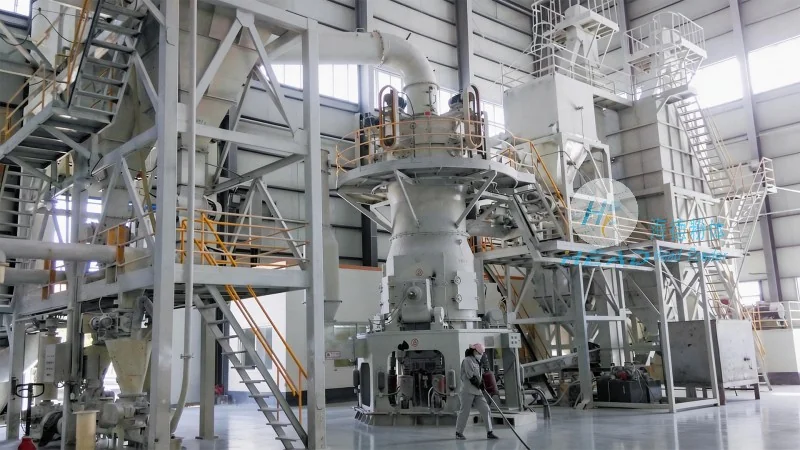
Second, the air pressure and velocity are critical design parameters. The system must generate sufficient air velocity to overcome drag forces while avoiding excessive speeds that could degrade particles or increase energy consumption. A balanced approach ensures optimal conveying efficiency. Additionally, the pipeline layout—including the number and placement of inlets, outlets, and bends—minimizes pressure losses and maintains consistent material flow, which is vital for reliable operation.
Key Components and Their Functions
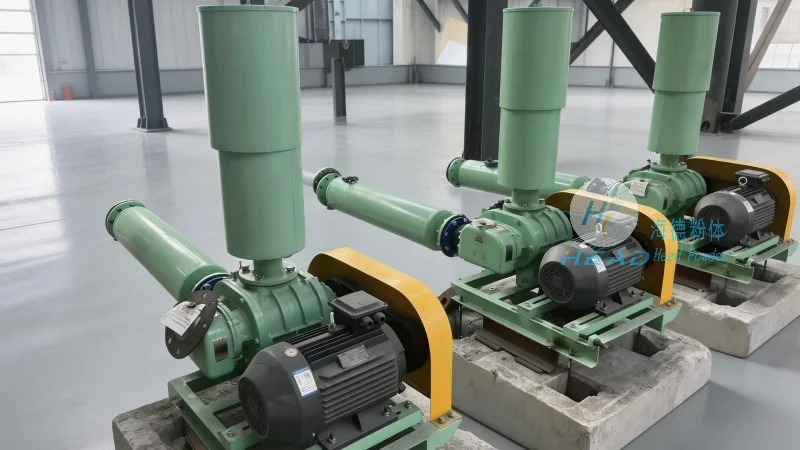
A typical pneumatic conveying system for vinegar powder includes several essential components. The compressor or blower provides the necessary air pressure to drive the material. The hopper or feeder introduces the powder into the system, ensuring a consistent feed rate. The pipeline network connects all components and transports the material to its destination. Airlocks and check valves prevent backflow and maintain pressure differentials. Cyclones or filters separate the powder from the air stream, enabling material recovery and air purification. These components are integrated seamlessly to achieve a reliable and efficient system.
Advantages of Pneumatic Conveying for Vinegar Powder
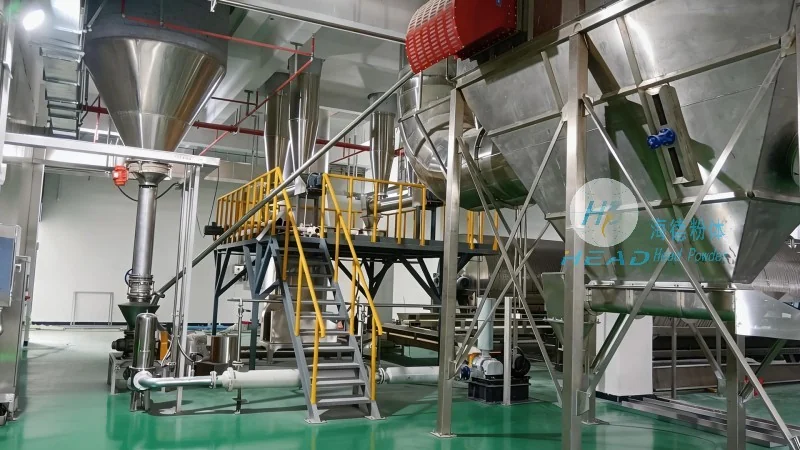
Pneumatic conveying offers significant benefits over traditional methods for handling vinegar powder. Firstly, it provides a closed system, which enhances product hygiene and prevents contamination from external sources—critical for food-grade products. Secondly, the system is flexible and can adapt to changes in production volume or process requirements, allowing integration with other processing equipment without major modifications. Thirdly, it reduces labor costs and operational complexity compared to mechanical conveyors, as it eliminates the need for regular maintenance and cleaning of moving parts.
Application in the Vinegar Industry
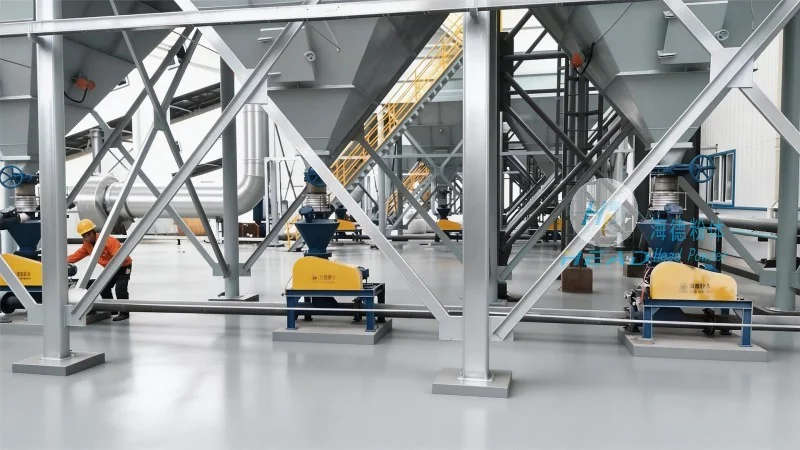
In the vinegar manufacturing sector, pneumatic conveying is widely used across various stages. It can transport raw materials like grains or sugar into fermentation tanks or move finished vinegar powder from drying and milling stages to packaging. The system's ability to handle fine powders without causing agglomeration preserves product quality. The closed system design also helps control moisture levels and prevent bacterial or mold growth, which is essential for maintaining flavor and shelf life.
Conclusion
Pneumatic conveying is a highly effective and efficient method for handling vinegar powder, delivering numerous advantages over conventional transportation methods. By adhering to core design principles—such as material-specific considerations, optimal air pressure and velocity, and proper component integration—manufacturers achieve reliable and consistent material flow. The technology enhances product quality and safety while reducing operational costs and improving overall process efficiency. As the demand for high-quality vinegar products grows, pneumatic conveying will remain a vital component in the industry's processing infrastructure, ensuring sustainable and effective material handling solutions.