

Operating Process and Working Principle of a Ferrous Sulfate Powder Pneumatic Conveying Equipment
For industries dealing with ferrous sulfate powders, efficient and reliable material handling is crucial. The pneumatic conveying system, specifically designed for ferrous sulfate powder, plays a vital role in ensuring smooth operation and maintaining product quality. This equipment is engineered to handle the unique characteristics of ferrous sulfate, such as its fine particle size and potential for dust generation, while providing a safe and effective method for transporting the material from one location to another.
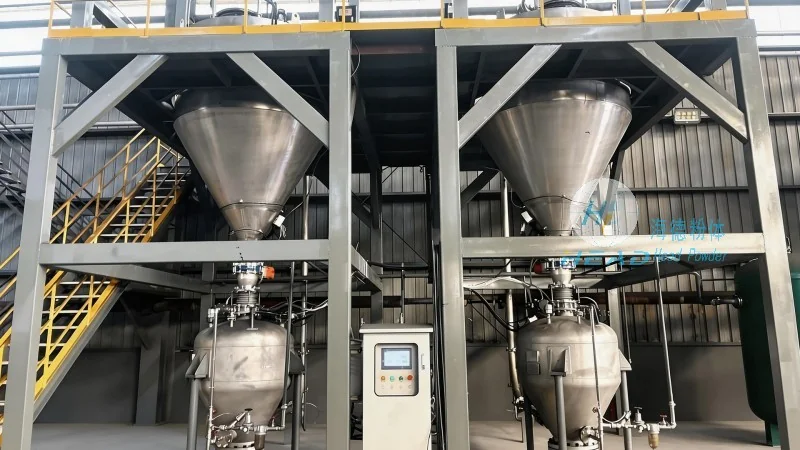
Key Components and Their Roles in the Pneumatic Conveying System
The ferrous sulfate powder pneumatic conveying equipment consists of several key components that work in tandem to achieve efficient material transport. These components include the hopper, which serves as the storage and feeding unit, the air compressor that generates the necessary air pressure, the conveying line that transports the powder, and the receiver where the material is deposited. Each component is designed to handle the specific challenges associated with ferrous sulfate, such as its hygroscopic nature and potential for caking, ensuring that the system operates smoothly and without interruptions.
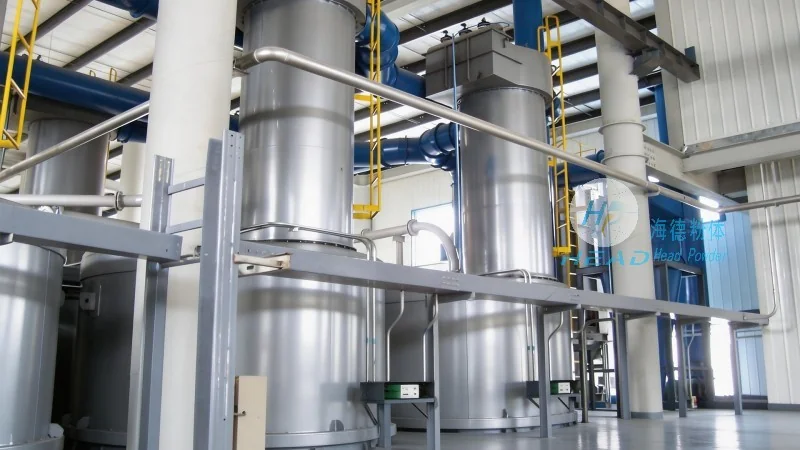
Operating Process of the Ferrous Sulfate Powder Pneumatic Conveying Equipment
The operation of the ferrous sulfate powder pneumatic conveying system follows a systematic process. Initially, the ferrous sulfate powder is fed into the hopper from the storage silo. The hopper is equipped with a feeder, which controls the flow rate of the powder into the conveying line. Simultaneously, the air compressor starts, generating a flow of compressed air that enters the conveying line. The compressed air creates a negative pressure in the line, which draws the ferrous sulfate powder from the hopper and transports it to the receiver. The powder is then deposited into the receiver, where it is collected for further processing or storage. The entire process is automated, with sensors and controls monitoring the flow rate, pressure, and other parameters to ensure optimal performance and prevent issues such as blockages or overloading.
Working Principle of the Pneumatic Conveying System
The working principle of the ferrous sulfate powder pneumatic conveying equipment is based on the principles of fluid dynamics and particle transport. The system utilizes the kinetic energy of the compressed air to move the ferrous sulfate powder particles through the conveying line. As the air flows through the line, it creates a stream that carries the powder particles along with it. The velocity of the air is carefully controlled to ensure that the powder particles are suspended and transported without settling or clogging the line. The design of the conveying line, including the diameter and length, is optimized to minimize pressure drop and energy consumption while maximizing the conveying capacity. The receiver is designed to handle the incoming powder flow, with a hopper or bin that can accommodate the material and prevent spillage or dust emission.
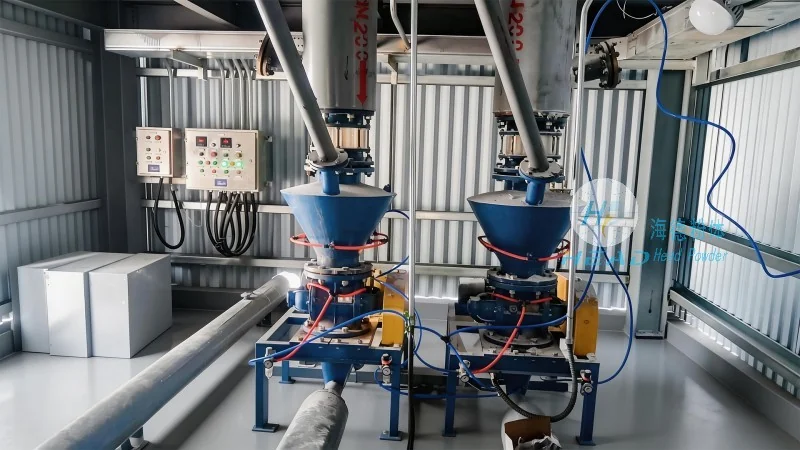
About Shandong HeadPowder Engineering Co., Ltd.
Shandong HeadPowder Engineering Co., Ltd., operating under the brand name headpowder, is a leading manufacturer of specialized material handling equipment, including pneumatic conveying systems for various industrial applications. With a strong focus on innovation and quality, the company has developed advanced solutions for handling challenging materials like ferrous sulfate. The company's headquarters is located in Shandong, China, where it has established a state-of-the-art manufacturing facility equipped with the latest technology and skilled workforce. headpowder is committed to providing reliable and efficient equipment that meets the specific needs of its clients, ensuring that their operations run smoothly and product quality is maintained at the highest standards.