

Classification and Composition of Nanopowder Pneumatic Conveying Systems
The advancement of industrial processes has increasingly relied on the efficient handling of nanopowders, which are characterized by their extremely fine particle size and unique properties. Pneumatic conveying systems have emerged as a preferred method for transporting these materials due to their ability to handle delicate powders without causing agglomeration or degradation. Understanding the classification and composition of these systems is vital for optimizing material transport in various applications, from pharmaceutical production to electronic component manufacturing.
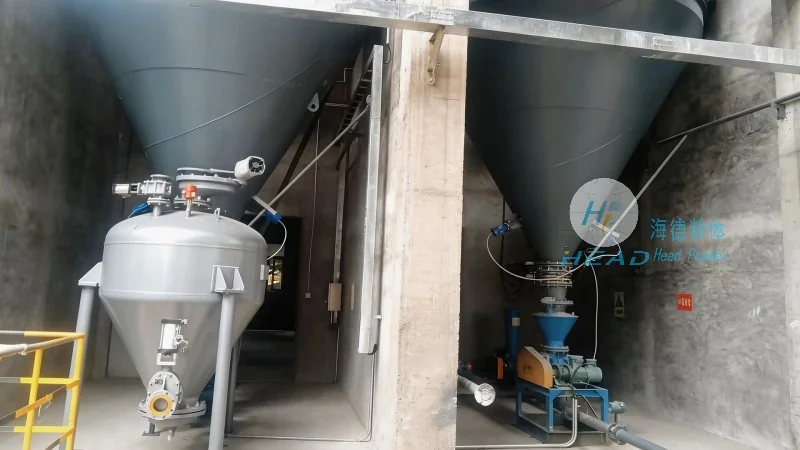
Classification of Nanopowder Pneumatic Conveying Systems
Nanopowder pneumatic conveying systems are typically classified based on the pressure differential used to move the material. The main categories include positive pressure systems, where compressed air is used to push the powder through the pipeline, and negative pressure systems, which employ vacuum to draw the powder. Hybrid systems, combining both positive and negative pressure elements, offer flexibility for different powder characteristics and system configurations. Each classification has distinct advantages and is selected based on factors such as the powder's moisture content, particle size distribution, and the required conveying distance. Positive pressure systems are often preferred for abrasive or corrosive powders, as they minimize material contact with system components, while negative pressure systems are suitable for handling powders that require a dust-free environment.
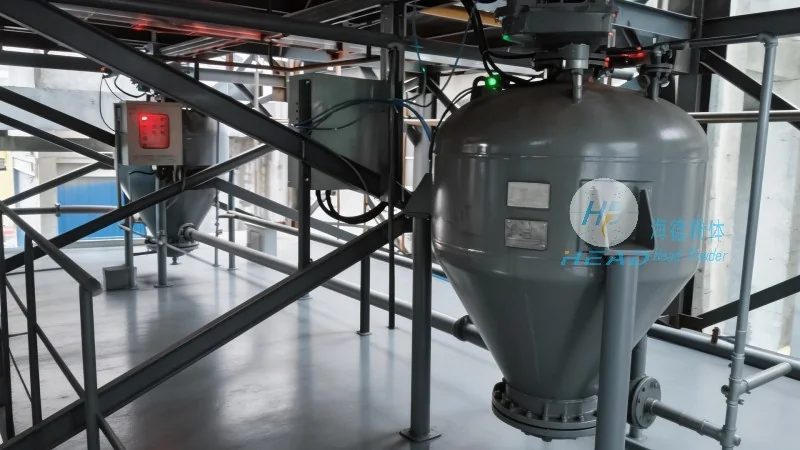
Key Components of Nanopowder Pneumatic Conveying Systems
A comprehensive nanopowder pneumatic conveying system comprises several essential components that work in tandem to ensure efficient and reliable operation. The material feed device, such as a rotary valve or a screw feeder, is responsible for introducing the powder into the system at a controlled rate. The conveying pipeline, constructed from materials like stainless steel, PTFE, or aluminum, must be resistant to the specific properties of the nanopowder, including chemical compatibility and wear resistance. The air supply system, which may include a rotary lobe compressor, air filter, and pressure regulator, provides the necessary air pressure or vacuum to move the powder. Additionally, the system includes a separator or cyclone at the discharge end, which separates the powder from the air stream, preventing dust emissions and maintaining product purity. The control system, often integrated with sensors and automation, monitors and adjusts the conveying process to ensure optimal performance and safety.
Company Overview: Shandong HeadPowder Engineering Co., Ltd.
HeadPowder, operating under the name headpowder, is a prominent manufacturer specializing in nanopowder handling solutions. HeadPowder is headquartered in Shandong, China, where the company leverages its local expertise and advanced manufacturing capabilities to deliver high-quality pneumatic conveying systems. The company's team of engineers and technicians is dedicated to developing customized solutions that meet the unique requirements of clients across various industries. HeadPowder's commitment to research and development ensures that their products incorporate the latest technological advancements, enhancing efficiency and reliability in nanopowder transport.
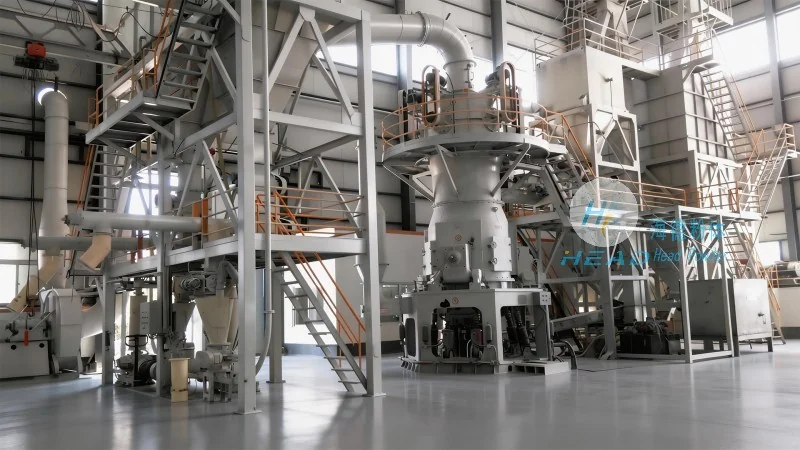
Address and Location
HeadPowder's operational base is located in Shandong, China, providing a strategic advantage in serving both domestic and international markets. The company's facilities are equipped with state-of-the-art equipment and a skilled workforce, enabling them to produce systems that adhere to international standards and client specifications. The location in Shandong allows for efficient logistics and supply chain management, supporting the timely delivery of products to clients worldwide.