

Classification and Composition of Gray Calcium Powder Pneumatic Conveying Systems
Gray calcium powder, a critical component in various industrial applications such as construction, manufacturing, and chemical processing, demands efficient and safe transportation solutions. Pneumatic conveying systems offer a non-contact method to move these powders, minimizing the risk of contamination and ensuring consistent material flow. This overview focuses on the classification and essential components of pneumatic conveying systems tailored for gray calcium powder, providing insights into their operational principles and practical implementation in industrial environments. As a leading manufacturer, Shandong HeadPowder Engineering Co., Ltd. specializes in designing and supplying high-quality pneumatic conveying systems for gray calcium powder, ensuring reliable and efficient material handling solutions for industrial clients.
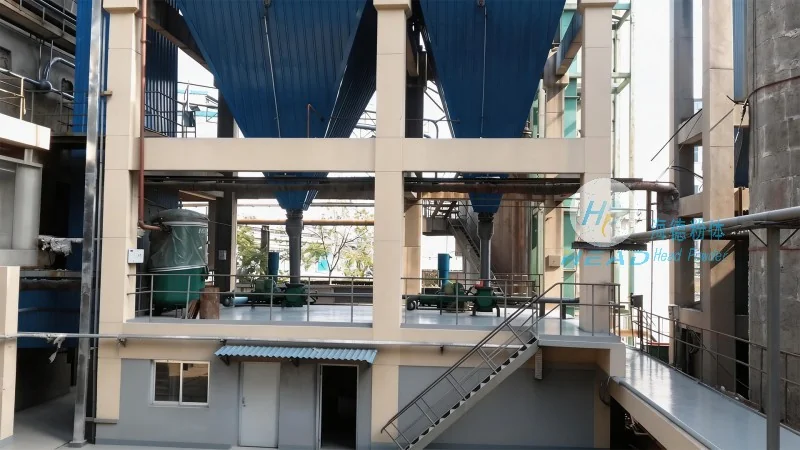
Classification of Pneumatic Conveying Systems for Gray Calcium Powder
Pneumatic conveying systems for gray calcium powder can be broadly categorized into two main types: pressure and vacuum systems. Pressure systems utilize compressed air to push the powder through a pipeline, while vacuum systems use suction to draw the material from the source. Each type has distinct advantages and is selected based on the specific requirements of the application, including material characteristics, distance of transport, and system complexity. The choice between pressure and vacuum systems significantly impacts the efficiency and cost-effectiveness of the conveying process.
Key Components of a Gray Calcium Powder Pneumatic Conveying System
A pneumatic conveying system for gray calcium powder consists of several critical components that work in tandem to ensure optimal performance. The primary components include the material hopper, which stores the powder and feeds it into the system; the air compressor or vacuum pump, which provides the necessary pressure or suction; the conveying line, typically made of durable materials like stainless steel to prevent corrosion and material buildup; and the control system, which regulates the flow of air and material. Additionally, accessories such as filters, cyclones, and dust collectors are essential for maintaining system efficiency and ensuring compliance with environmental regulations.
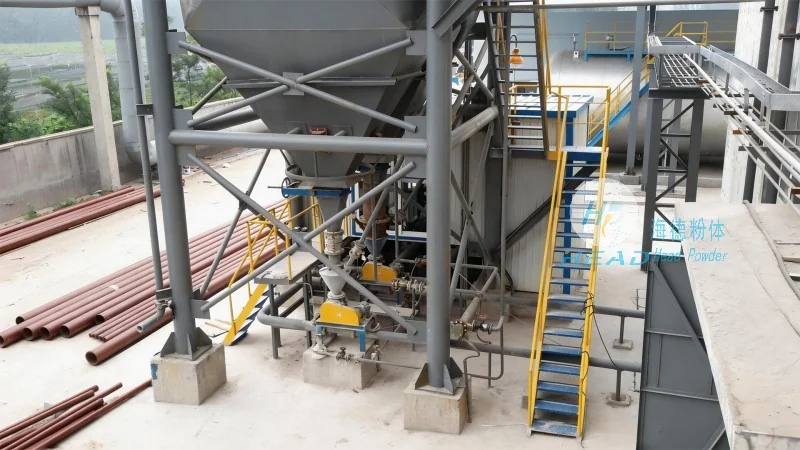
Material Hopper and Feeding Mechanism
The material hopper is a crucial component that stores gray calcium powder and facilitates its uniform feeding into the pneumatic system. It is designed to handle the bulk material and prevent clogging, often equipped with a discharge valve or a rotary valve to control the flow rate. The hopper's design, including its shape and size, is tailored to the specific characteristics of gray calcium powder, such as its density and flowability. Proper feeding mechanisms ensure consistent material supply, which is vital for maintaining the stability and efficiency of the conveying process. The hopper may also include features like level sensors to monitor the powder level and trigger refilling when necessary.
Air Compressor and Vacuum Pump Systems
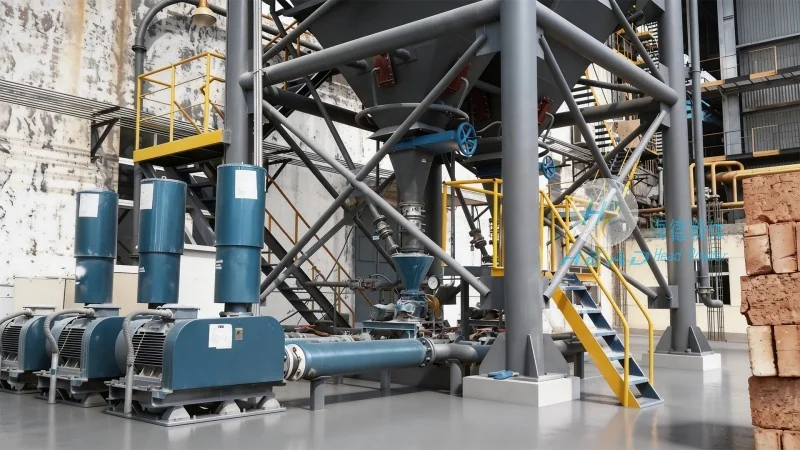
The air compressor or vacuum pump is the heart of the pneumatic conveying system, responsible for generating the pressure or suction required to move gray calcium powder through the pipeline. Pressure systems typically use positive displacement compressors, which deliver a consistent flow of compressed air at high pressure. Vacuum systems, on the other hand, employ rotary vane or liquid ring pumps to create a vacuum that draws the powder from the source. The selection of the compressor or pump depends on factors such as the system's capacity, the distance of transport, and the required air velocity. Efficient operation of these components is essential for maintaining the system's performance and minimizing energy consumption.
Conveying Line and Pipeline Design
The conveying line, or pipeline, is a critical part of the pneumatic system that transports gray calcium powder from the source to the destination. It is constructed from materials like stainless steel, which offers excellent resistance to corrosion and wear, ensuring long-term durability. The pipeline design includes bends, elbows, and straight sections, each optimized to maintain the flow velocity and prevent material deposition. The diameter of the pipeline is carefully selected based on the material's flow characteristics and the required air velocity to achieve efficient conveying. Proper pipeline design minimizes pressure losses and ensures smooth material transport, contributing to the overall system efficiency.
Control and Monitoring Systems
The control and monitoring system plays a vital role in managing the operation of the gray calcium powder pneumatic conveying system. It includes sensors, controllers, and automation equipment that regulate the flow of air and material, ensuring consistent performance. The system may include pressure sensors to monitor the air pressure in the pipeline, flow meters to measure the material flow rate, and level sensors to detect the powder level in the hopper. These sensors provide real-time data that allows operators to adjust the system parameters as needed, optimizing the conveying process. Additionally, the control system may include safety features such as emergency shut-off valves to prevent accidents and protect the equipment from damage.