

Working Principle and Characteristics of Micro Silica Powder Material Handling
Micro silica powder, also known as fumed silica, is a fine powder with a high surface area and unique properties, widely used in various industrial applications. The efficient handling and transportation of this material are crucial for ensuring consistent performance in production processes. This article explores the working principle and key characteristics of micro silica powder material handling systems, highlighting the technology and features that enable reliable and effective material transport.
Working Principle of Micro Silica Powder Material Handling
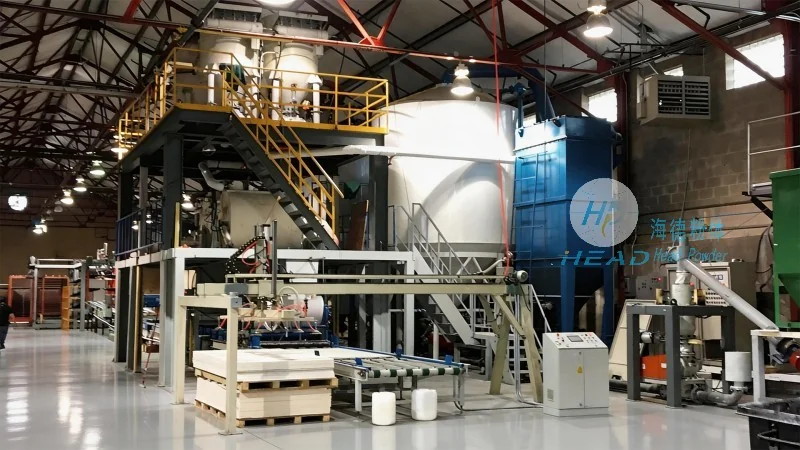
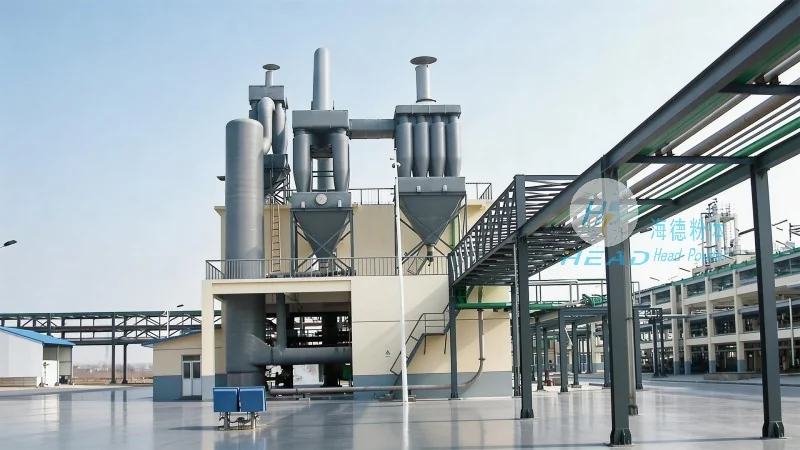
Micro silica powder material handling systems typically operate based on principles of pneumatic conveying, which uses air to transport the fine powder from a source to a destination. The core components of such systems include a hopper for material storage, a conveyor system (often a pipeline), and a control unit to regulate the flow. The process begins with the micro silica powder being fed into the hopper, where it is then drawn into the conveying pipeline by a vacuum or pressure differential. As the powder moves through the pipeline, it is suspended in the air stream, allowing it to travel efficiently over long distances without clogging or degradation. The system may incorporate features like pulse-jet cleaning to maintain pipeline integrity and prevent material buildup, ensuring continuous operation. Additionally, the control unit monitors pressure, flow rate, and other parameters to optimize the conveying process and prevent issues such as blockages or uneven distribution.
Key Characteristics of Micro Silica Powder Material Handling Systems
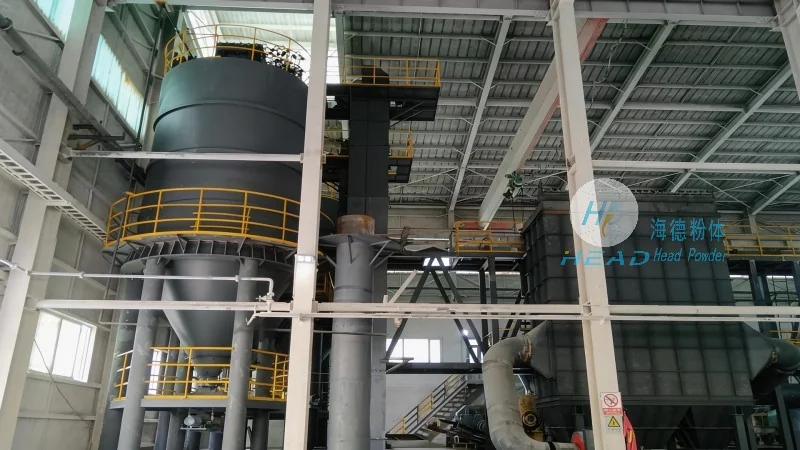
Effective micro silica powder material handling systems exhibit several critical characteristics that enhance performance and reliability. First, they are designed to handle the high fineness and low bulk density of micro silica powder, which can be challenging for traditional conveying methods. The systems utilize specialized equipment, such as rotary valves and flexible hoses, to minimize material degradation and ensure consistent particle size distribution. Second, the systems are equipped with advanced filtration and dust control measures to comply with environmental regulations and maintain workplace safety. This includes high-efficiency particulate air (HEPA) filters and dust collection systems that capture fine particles, preventing airborne contamination. Third, the technology offers flexibility in conveying distances and layout configurations, allowing integration into existing production facilities without major modifications. The systems can be customized to accommodate varying material flow rates and operational demands, making them suitable for both small-scale and large-scale industrial applications. Furthermore, the use of automated control systems enables real-time monitoring and adjustment, improving operational efficiency and reducing downtime.
Applications and Benefits in Industrial Settings
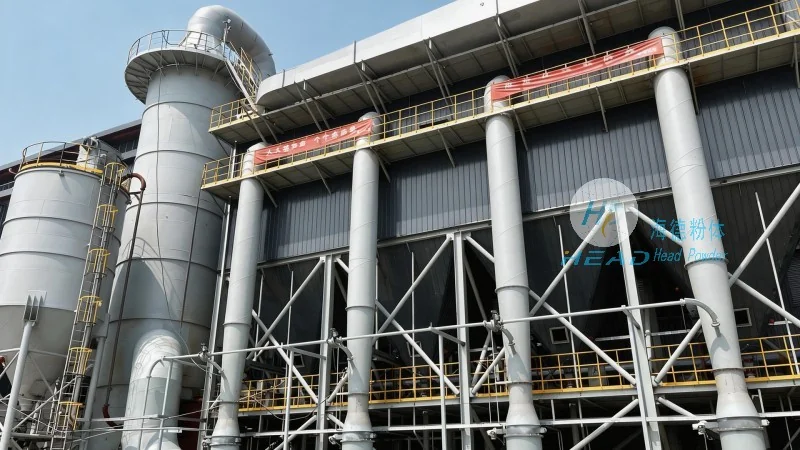
Micro silica powder material handling systems are integral to industries such as construction, electronics, and cosmetics, where the material is used as a filler, anti-caking agent, or reinforcement. The reliable transport of micro silica powder ensures that production lines operate smoothly, with minimal interruptions caused by material supply issues. The systems contribute to improved product quality by maintaining consistent powder characteristics, which is vital for applications requiring precise particle size and surface area. Additionally, the efficient handling reduces material waste and operational costs, as less powder is lost during transport and less energy is consumed compared to manual handling methods. The technology also enhances workplace safety by minimizing exposure to fine particles, which can be harmful if inhaled. Overall, the working principle and characteristics of micro silica powder material handling systems provide a robust solution for industries dependent on this critical material.