Quicklime, also known as calcium oxide (CaO), is a crucial industrial material widely used in various sectors such as construction, chemical manufacturing, and environmental treatment. The efficient handling and transportation of quicklime are essential for industrial operations, as it directly impacts production efficiency, safety, and cost-effectiveness. This article explores the working principles and key characteristics of quicklime material handling systems, providing insights into how these systems operate and their advantages in industrial applications, with a focus on the expertise of Shandong HeadPowder Engineering Co., Ltd. (headpowder).
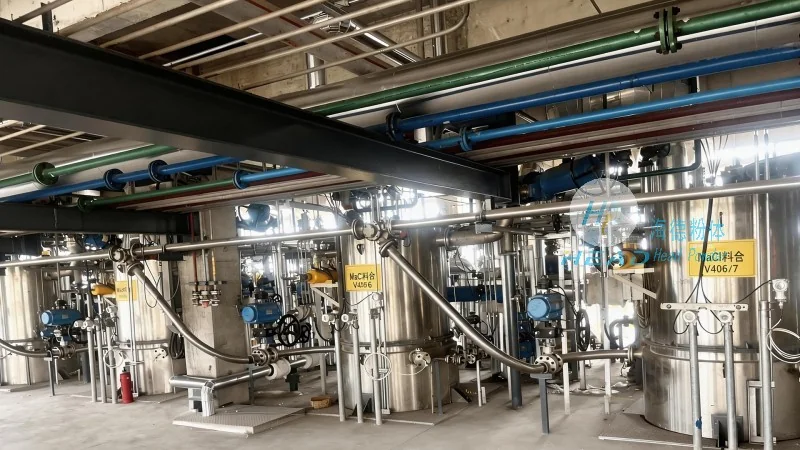
Understanding Quicklime and Its Handling Requirements
Quicklime is a white or grayish powder with a high reactivity, making it sensitive to moisture and heat. Due to its hygroscopic nature, it readily absorbs water to form slaked lime (calcium hydroxide), which can cause caking and blockages in handling equipment. Therefore, proper material handling is critical to maintain the quality and usability of quicklime. The handling process typically involves several stages, including storage, loading, transport, and unloading, each requiring specialized equipment and techniques to ensure smooth operation. Shandong HeadPowder Engineering Co., Ltd. (headpowder) specializes in designing and manufacturing tailored handling solutions that address the unique challenges of quicklime, ensuring optimal performance and reliability.
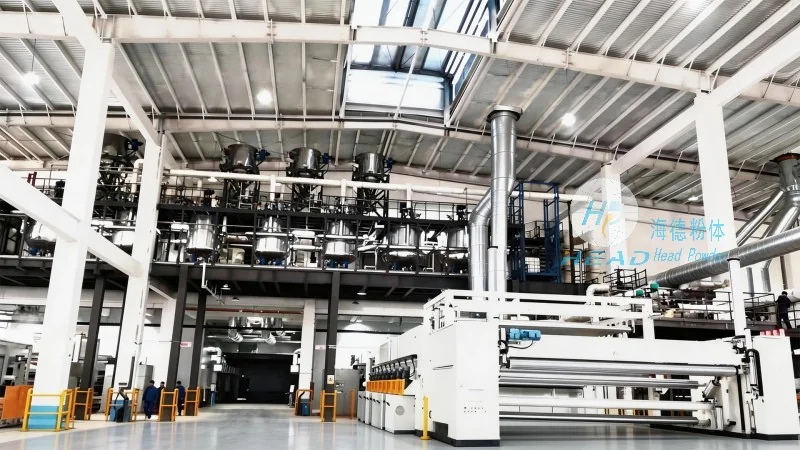
Working Principle of Quicklime Material Handling Systems
Quicklime material handling systems are designed to transport quicklime from storage silos or stockpiles to processing units or end-users. The primary working principles vary based on the type of equipment used, with the most common methods including mechanical conveying and pneumatic (air) conveying. Mechanical conveying systems, such as belt conveyors and screw conveyors, rely on mechanical power to move the material. For example, belt conveyors use a continuous belt looped over rollers, with the quicklime placed on the belt and moved by the rotation of the rollers. The friction between the belt and the material, combined with gravity, facilitates the transport process. Screw conveyors, on the other hand, use a rotating screw inside a trough to push the material forward, making them suitable for vertical or inclined transport. These mechanical systems are generally cost-effective and reliable for bulk material handling, with low maintenance requirements. Pneumatic conveying systems, also known as air conveying, operate on the principle of using compressed air to transport quicklime particles through a pipeline. The quicklime is fed into the system and mixed with the air stream, which then carries the material to the destination. This method is particularly effective for handling fine powders and can be used for both short and long-distance transport. The working principle involves creating a pressure differential between the inlet and outlet of the system, ensuring the material is propelled through the pipeline. Pneumatic systems offer advantages such as dust containment, as the material is enclosed within the pipeline, reducing environmental impact and improving safety. However, they require higher energy input and may be less efficient for very large quantities of material compared to mechanical systems.
Key Characteristics of Quicklime Material Handling
The characteristics of quicklime material handling systems are determined by several factors, including the type of equipment, material properties, and operational requirements. One of the most important characteristics is efficiency, which refers to the speed and capacity of the system in transporting quicklime. High-efficiency systems can handle large volumes of material with minimal downtime, enhancing overall production throughput. Another critical characteristic is safety, as quicklime is a reactive material that can cause burns or respiratory issues if not handled properly. Handling systems must incorporate safety features such as dust suppression, enclosed conveyors, and proper ventilation to minimize exposure risks. Environmental considerations are also a key characteristic, as the handling of quicklime can generate dust and emissions. Modern systems often include dust collection and filtration systems to comply with environmental regulations and reduce the impact on the surrounding environment. Reliability and durability are additional characteristics that contribute to the effectiveness of quicklime material handling. The equipment used must be able to withstand the corrosive and abrasive nature of quicklime, which can cause wear and tear over time. Materials such as stainless steel or special coatings are often used in the construction of handling components to ensure long-term performance. Maintenance and operational flexibility are also important characteristics, as industrial facilities may need to adjust the handling capacity or route based on changing production demands. Systems that allow for easy adjustments and maintenance reduce operational costs and downtime, making them more practical for real-world applications.
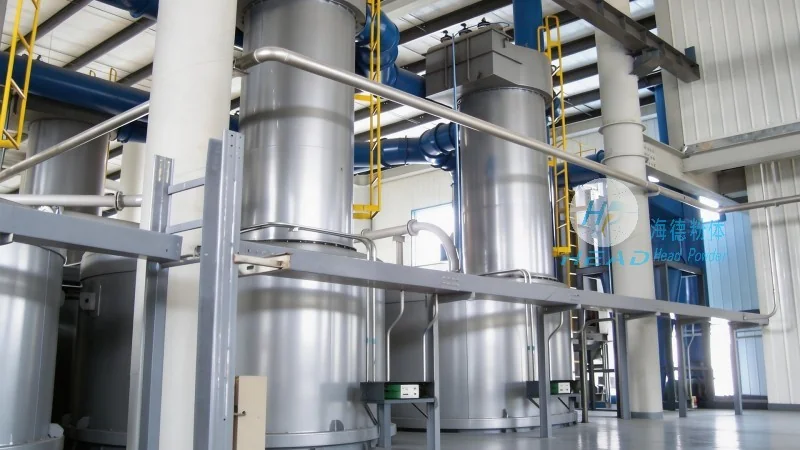
Applications and Benefits of Quicklime Material Handling
Quicklime material handling systems are widely used in various industrial applications, including cement production, steel manufacturing, and water treatment. In cement plants, quicklime is a key raw material used to produce clinker, which is then ground into cement. The efficient handling of quicklime ensures a steady supply of raw material, improving the production process and reducing delays. In steel mills, quicklime is used as a flux to remove impurities from iron ore during the smelting process. The ability to transport quicklime quickly and safely to the smelting furnaces is crucial for maintaining production efficiency and quality. In water treatment, quicklime is used to adjust the pH of water and remove heavy metals. The handling systems must be able to deliver quicklime to the treatment facilities in a controlled manner, ensuring optimal treatment results. The benefits of using advanced quicklime material handling systems extend beyond operational efficiency. These systems can reduce material loss and contamination, as enclosed and controlled handling minimizes the exposure of quicklime to the environment. This not only improves the quality of the final product but also reduces waste and environmental impact. Additionally, modern handling systems often integrate with automation and control technologies, allowing for real-time monitoring and adjustment of the transport process. This enhances operational control and enables quick response to any issues that may arise, further improving system reliability and performance.




