Clay powder conveying systems are essential in various industrial applications, particularly in the processing and handling of fine clay materials. Understanding the structural design and operational principles of these systems is crucial for optimizing efficiency and ensuring safe material transport. This article provides an overview of the key components, structural principles, and functional aspects of clay powder conveying equipment, highlighting the expertise of Shandong HeadPowder Engineering Co., Ltd. as a leading provider in the field.
Company Profile: HeadPowder Engineering
Shandong HeadPowder Engineering Co., Ltd., commonly known as HeadPowder, is a reputable enterprise based in Shandong, China. Specializing in the design, manufacturing, and installation of advanced powder handling solutions, the company has established itself as a trusted partner for industries dealing with fine powders, including clay. HeadPowder's commitment to quality, innovation, and customer satisfaction drives its mission to deliver reliable and efficient conveying systems tailored to specific industrial needs.
Structural Components of Clay Powder Conveying Systems
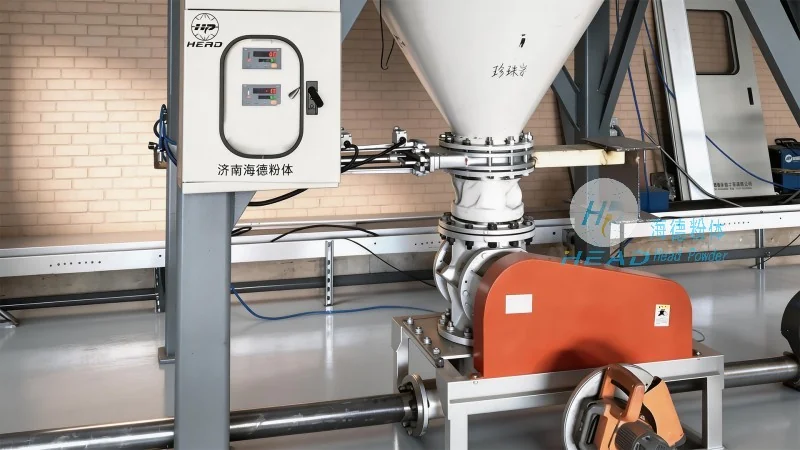
The core structure of a clay powder conveying system typically includes several critical components that work in tandem to ensure smooth material transport. These components are engineered to handle the unique properties of clay, such as high moisture content, stickiness, and variability in particle size. The primary elements include the hopper, which serves as the material storage and feeding unit, ensuring a consistent flow of clay powder into the conveying line. The hopper is often equipped with a feeding mechanism, such as a screw feeder or a rotary valve, to control the discharge rate and prevent material bridging or clogging.
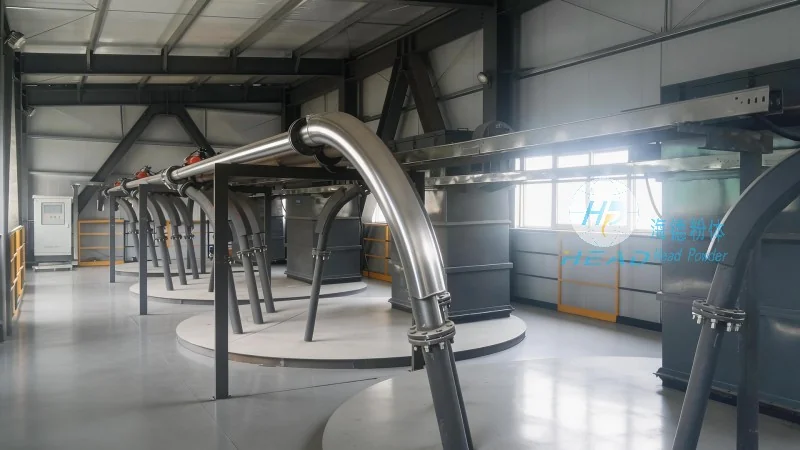
Next, the conveying pipeline is a vital part of the system, designed to transport the clay powder from the source to the destination. Depending on the application, the pipeline may be made of materials like stainless steel, polyethylene, or other corrosion-resistant substances to withstand the chemical and physical properties of clay. The choice of material affects the durability and longevity of the system, as well as its ability to maintain the integrity of the powder during transport. Additionally, the pipeline may incorporate bends, elbows, or other fittings to navigate the layout of the facility, ensuring the system can be installed in various spatial configurations without compromising performance.
Working Principles of Clay Powder Conveying
The operational principle of clay powder conveying systems revolves around the use of mechanical forces to move the material through the pipeline. Common methods include pneumatic conveying, where compressed air or gas is used to create a flow of the powder, and mechanical conveying, which employs devices like screw conveyors or bucket elevators to transport the material. For clay powders, pneumatic conveying is often preferred due to its ability to handle sticky and cohesive materials without causing blockages. The system operates by creating a pressure differential between the inlet and outlet of the pipeline, which propels the clay powder forward. The air flow is carefully controlled to maintain a consistent velocity, preventing the powder from settling or clogging the pipeline.
In pneumatic conveying systems, the clay powder is suspended in the air stream, allowing it to travel through the pipeline efficiently. The velocity of the air must be sufficient to keep the powder particles in suspension but not so high as to cause excessive wear on the pipeline or components. The system may also include a dust collection or filtration unit to capture any fine particles that escape during transport, ensuring compliance with environmental regulations and maintaining air quality in the facility. This filtration step is particularly important for clay powders, as they can generate significant dust during handling and transport.
Advantages of HeadPowder's Clay Powder Conveying Solutions
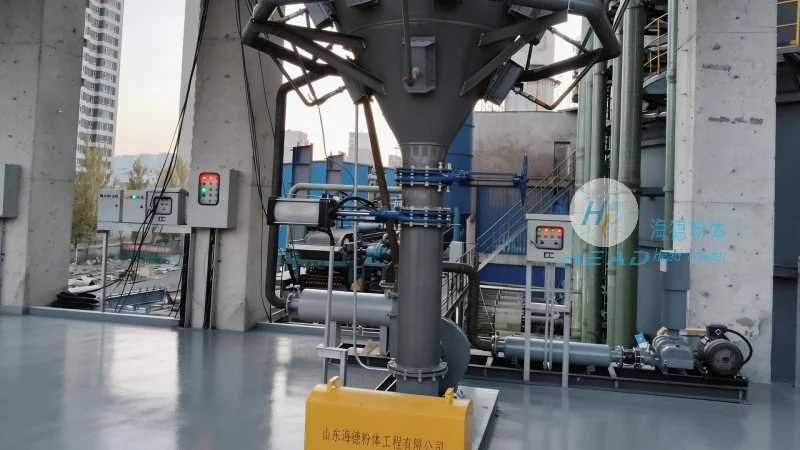
HeadPowder Engineering offers comprehensive clay powder conveying solutions that leverage advanced technology and engineering expertise. The company's systems are designed to address the specific challenges associated with clay handling, such as moisture content, stickiness, and particle size variations. By incorporating features like adjustable feeding rates, variable air pressure control, and robust pipeline materials, HeadPowder's solutions enhance the efficiency and reliability of material transport. These systems are also equipped with monitoring and control systems that allow operators to track the performance of the conveying process in real-time, enabling quick adjustments to maintain optimal operation.
Furthermore, HeadPowder's commitment to customization ensures that each conveying system is tailored to the unique requirements of the client. Whether the application involves short-distance transport within a facility or long-distance transport between sites, the company provides solutions that meet the specific needs of the industry. The structural design of the systems is optimized for minimal energy consumption and maximum material throughput, contributing to cost savings and operational efficiency for the end-user.
Applications and Industries Served
Clay powder conveying systems are widely used in various industries that rely on fine clay materials. These include the ceramics and pottery industry, where clay is processed into raw materials for pottery and ceramics. The construction industry also utilizes clay powder in the production of bricks, tiles, and other building materials. Additionally, the chemical and pharmaceutical industries may use clay as a filler or absorbent material, requiring efficient conveying systems to handle the material safely and effectively.
HeadPowder's expertise in clay powder conveying has enabled the company to serve a diverse range of clients across these industries. By understanding the specific demands of each application, HeadPowder provides tailored solutions that enhance productivity and reduce operational costs. The company's systems are designed to meet the stringent quality and safety standards required in these industries, ensuring that the clay powder is handled in a manner that maintains its properties and prevents contamination.
Conclusion and Future Outlook
In conclusion, clay powder conveying systems play a vital role in the efficient processing and handling of fine clay materials. The structural design and operational principles of these systems are critical to ensuring reliable and safe material transport. Shandong HeadPowder Engineering Co., Ltd. stands as a leading provider in this field, offering advanced, customized solutions that address the unique challenges of clay handling. By leveraging innovative technology and engineering expertise, HeadPowder continues to deliver high-quality conveying systems that meet the evolving needs of industries worldwide.




