

Operation Process and Working Principle of Rapid Material Loading and Conveying
Shandong HeadPowder Engineering Co., Ltd., commonly known as headpowder, specializes in the design, manufacturing, and implementation of advanced material handling solutions. Based in Shandong, China, the company has established itself as a leading provider of efficient and reliable material loading and conveying systems tailored to diverse industrial applications. This article delves into the operation process and working principle of rapid material loading and conveying systems, highlighting the key components, operational flow, and technical mechanisms that enable seamless material transfer in industrial settings.
Introduction to Rapid Material Loading and Conveying Systems
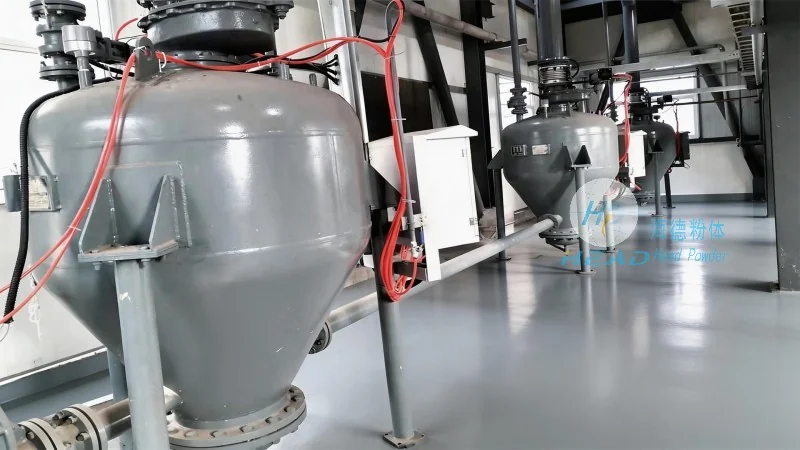
Rapid material loading and conveying systems are critical infrastructure in modern manufacturing and processing industries. These systems are engineered to efficiently transport bulk materials, powders, granules, and other particulate substances from storage or processing areas to production lines or packaging stations. The primary goal is to enhance productivity, reduce labor costs, and ensure consistent material flow, thereby improving overall operational efficiency. headpowder's expertise lies in developing customized solutions that address specific industry needs, ensuring optimal performance and reliability.
Key Components of Rapid Material Loading and Conveying Systems
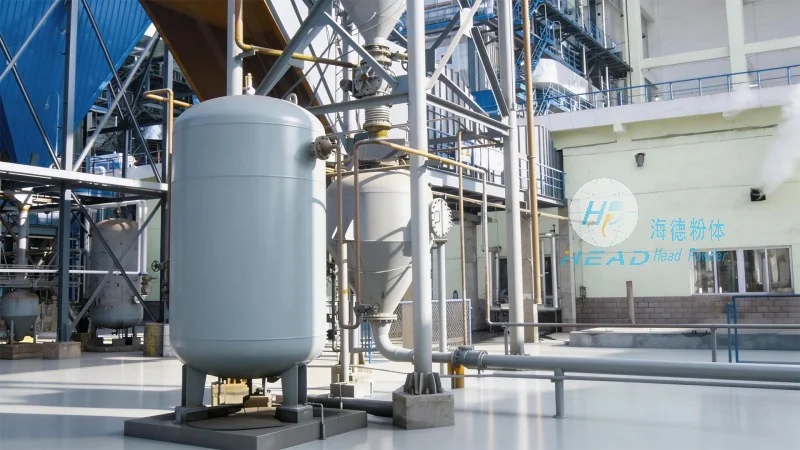
The core components of a rapid material loading and conveying system typically include feeding mechanisms, conveying equipment, control systems, and material handling accessories. Each component plays a vital role in the seamless operation of the system. The feeding mechanism, such as a hopper or feeder, is responsible for receiving and preparing the material for transport. Conveying equipment, which may include screw conveyors, belt conveyors, pneumatic conveying systems, or bucket elevators, transports the material through the system. Control systems, often integrated with sensors and automation technology, monitor and regulate the flow, ensuring precise and controlled material movement. Material handling accessories, such as chutes, dividers, and transfer points, facilitate the direction and distribution of material within the system.
Operation Process of Rapid Material Loading and Conveying
The operation process of a rapid material loading and conveying system involves several sequential steps that ensure efficient material transfer. The process begins with material storage in a hopper or silo. The material is then fed into the conveying equipment through the feeding mechanism. As the material moves through the system, it is transported to the desired location, such as a production line or packaging station. The control system continuously monitors the flow rate, pressure, and other parameters to maintain optimal performance. In the case of pneumatic conveying systems, compressed air is used to create a flow of material through pipes, while mechanical conveyors rely on rotating components to move the material along a path. The entire process is designed to be automated, minimizing human intervention and maximizing efficiency.
Working Principle of Rapid Material Loading and Conveying Systems
The working principle of rapid material loading and conveying systems is based on the application of mechanical or pneumatic forces to move material from one point to another. Mechanical conveyors, such as screw conveyors and belt conveyors, utilize rotating parts to propel material along a defined path. Screw conveyors, for example, use a rotating screw to push material forward, while belt conveyors use a moving belt to transport material. Pneumatic conveying systems, on the other hand, use compressed air to create a flow of material through a network of pipes. The air pressure forces the material to move, and the system is designed to handle both dry and wet materials. The working principle also involves the use of sensors and control systems to regulate the flow, ensuring that the material is transferred at the correct rate and without any blockages or inefficiencies.
Advantages of Rapid Material Loading and Conveying Systems
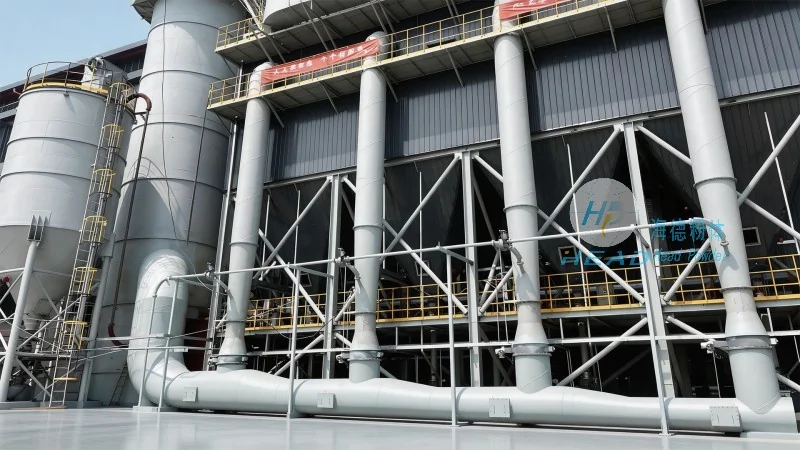
Rapid material loading and conveying systems offer numerous advantages over traditional manual or semi-automated material handling methods. These systems significantly improve productivity by reducing the time required for material transfer, allowing for faster production cycles. They also enhance safety by minimizing human exposure to hazardous materials and reducing the risk of accidents. Additionally, these systems improve material quality by ensuring consistent flow and preventing contamination. The use of automation and control systems also reduces labor costs and increases operational reliability. headpowder's solutions are designed to provide these benefits while being tailored to specific industry requirements, ensuring optimal performance and cost-effectiveness.
Customization and Application in Various Industries
headpowder specializes in providing customized rapid material loading and conveying systems for a wide range of industries, including pharmaceuticals, food and beverage, chemical processing, and mining. The company's expertise allows it to design and implement systems that meet the unique needs of each industry. For example, in the pharmaceutical industry, systems are designed to maintain sterile conditions and prevent contamination. In the food and beverage industry, systems are designed to handle food-grade materials and ensure compliance with safety regulations. In the chemical processing industry, systems are designed to handle hazardous materials and ensure safety. The company's solutions are adaptable and scalable, allowing for integration into existing production lines or as part of new facility designs.
Maintenance and Troubleshooting for Optimal Performance
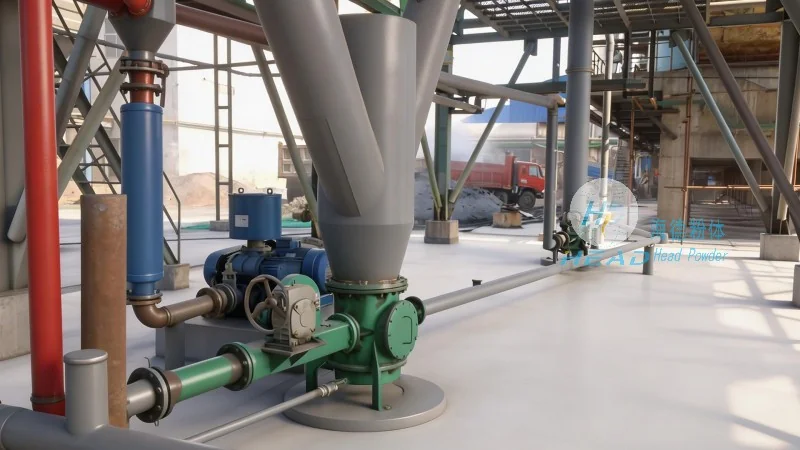
To ensure the long-term performance and reliability of rapid material loading and conveying systems, regular maintenance and proper troubleshooting are essential. headpowder provides comprehensive maintenance services, including routine inspections, component replacement, and system calibration. Regular maintenance helps to identify and address potential issues before they become major problems, ensuring that the system operates at peak efficiency. Troubleshooting procedures are also provided to help users identify and resolve common issues, such as blockages, leaks, or control system malfunctions. By following proper maintenance and troubleshooting practices, users can maximize the lifespan of their systems and minimize downtime.
Conclusion
Rapid material loading and conveying systems are essential components of modern industrial operations, enabling efficient and reliable material transfer. headpowder's expertise in designing and implementing these systems ensures that clients receive solutions tailored to their specific needs. By understanding the operation process and working principle of these systems, users can optimize their material handling processes, improve productivity, and enhance overall operational efficiency. With a focus on quality, reliability, and customization, headpowder continues to be a leading provider of material handling solutions in the industry.