For industrial applications involving the handling of bulk materials like gypsum powder, efficient and reliable material transport is crucial. This article provides an overview of the equipment used in pneumatic conveying systems for gypsum powder, along with an explanation of the structural principles that enable their operation. The information is presented by Shandong HeadPowder Engineering Co., Ltd., a company specializing in engineering solutions for material handling and processing.
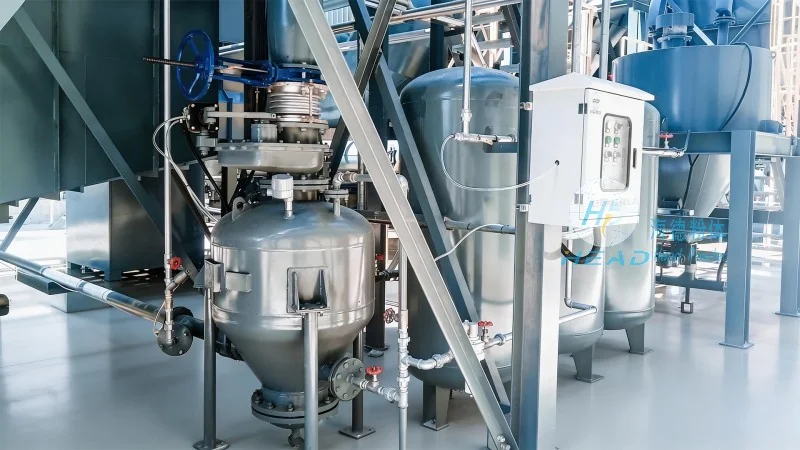
Equipment Overview for Gypsum Powder Pneumatic Conveying Systems
The pneumatic conveying system for gypsum powder typically consists of several key components designed to handle the material from the source to the destination. These components work in tandem to ensure smooth and continuous material transport. The primary equipment includes a hopper or feeder for material storage and feeding, a conveyor line (often a pipeline), a blower or compressor to generate the air flow, and a receiver or discharge unit for the material. Each component plays a vital role in the overall system performance. The hopper is usually equipped with a rotary valve or a gate valve to control the flow of gypsum powder into the conveyor line, ensuring a consistent feed rate. The pipeline is made of materials resistant to corrosion and abrasion, such as stainless steel or special plastic, to withstand the chemical and physical properties of gypsum powder. The blower or compressor provides the necessary air pressure and volume to move the powder through the pipeline. The receiver is designed to collect the conveyed material and may include a dust collection system to ensure environmental compliance.
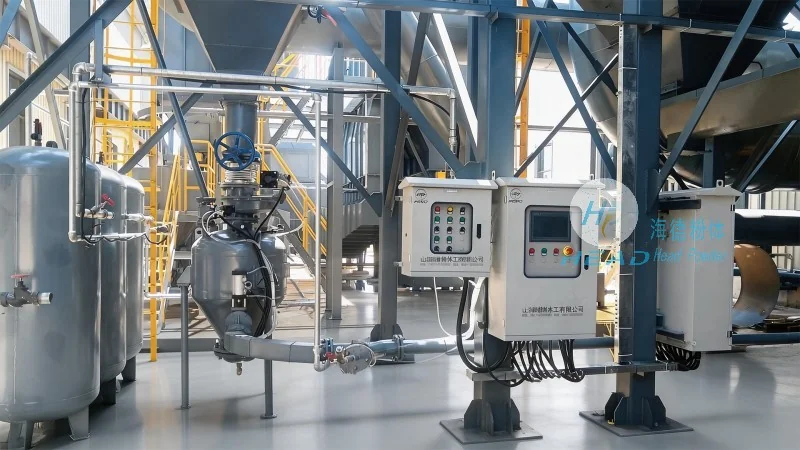
Structural Principles of Gypsum Powder Pneumatic Conveying Systems
The structural principles of pneumatic conveying systems are based on the interaction between the material particles and the air flow within the pipeline. There are two main types of pneumatic conveying systems: dilute-phase and dense-phase. Dilute-phase systems operate at higher air velocities, where the powder is suspended in the air stream and moves through the pipeline as a dilute mixture. Dense-phase systems, on the other hand, operate at lower air velocities, where the powder is conveyed in a slurry-like state, with the air providing the necessary pressure to push the material forward. The choice between these systems depends on factors such as the material's properties, the distance to be conveyed, and the required flow rate. The system's design must also consider the pressure drop along the pipeline, which is influenced by the pipeline length, diameter, and the characteristics of the material being conveyed. Proper design of the system ensures minimal pressure loss and efficient material transport. Additionally, the system may include features like pulse-jet cleaning for the pipeline to prevent clogging and maintain consistent performance over time.
Key Components and Their Functions in Gypsum Powder Pneumatic Conveying
Each component of the pneumatic conveying system for gypsum powder serves a specific function that contributes to the overall efficiency and reliability of the system. The hopper or feeder is the first component in the system and is responsible for storing the gypsum powder and controlling the feed rate. The hopper is typically designed with a conical or rectangular shape to facilitate the flow of the material and prevent bridging or caking. The feeder, often a rotary valve or a gate valve, is located at the bottom of the hopper and regulates the amount of material entering the conveyor line. The rotary valve is preferred for its ability to handle abrasive materials like gypsum powder and maintain a consistent flow rate. The conveyor line, or pipeline, is the main component that transports the material from the feeder to the receiver. The pipeline is made of materials that can withstand the corrosive and abrasive nature of gypsum powder, such as stainless steel or high-density polyethylene (HDPE). The diameter of the pipeline is chosen based on the required flow rate and the air velocity, with larger diameters reducing pressure drop and improving system performance. The blower or compressor is the power source of the system, providing the necessary air pressure and volume to move the powder through the pipeline. The blower is typically a centrifugal or axial flow type, depending on the system requirements. The receiver is the final component in the system and is responsible for collecting the conveyed material. The receiver is designed with a conical bottom to allow the material to settle and be discharged. It may also include a dust collection system, such as a cyclone or a bag filter, to capture any fine particles and ensure that the material is handled in a clean and environmentally friendly manner.
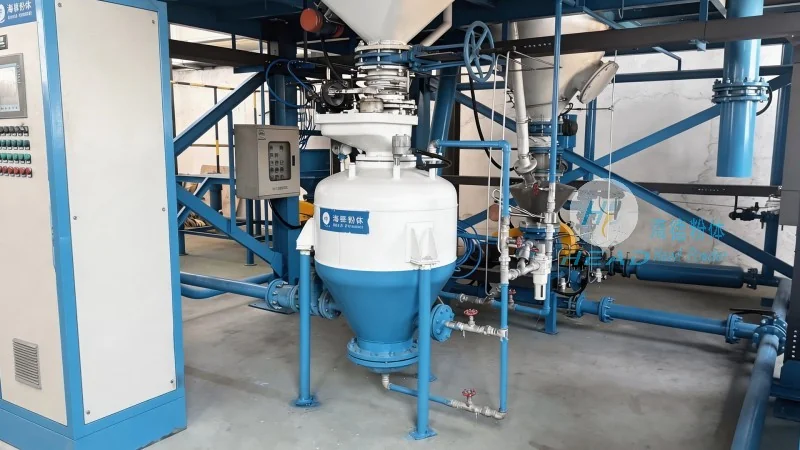
Operational Considerations and Maintenance for Gypsum Powder Pneumatic Conveying Systems
Operational considerations are essential for maintaining the efficiency and longevity of a pneumatic conveying system for gypsum powder. Proper system design and installation are critical to ensure that the system operates within its intended parameters. The system must be designed to handle the specific properties of gypsum powder, such as its particle size distribution, moisture content, and density. The feed rate must be controlled to prevent overloading the system, which can lead to pressure buildup and system failure. The air flow rate must be adjusted to maintain the desired material transport conditions, ensuring that the powder is conveyed at the appropriate velocity. Regular maintenance is also crucial to prevent system downtime and ensure consistent performance. The pipeline should be inspected periodically for signs of wear or corrosion, and any damaged sections should be replaced. The rotary valve and other moving parts should be lubricated and checked for proper operation. The dust collection system should be cleaned regularly to prevent clogging and maintain its efficiency. Additionally, the blower or compressor should be checked for proper air pressure and flow rate, and any issues should be addressed promptly. By following these operational considerations and maintenance procedures, the pneumatic conveying system can operate efficiently and reliably for extended periods, ensuring consistent material transport and minimizing downtime.




