

Preventing Pipeline Blockages in Soda Ash Conveyance with Pneumatic Conveying Systems: Key Design Pa
Efficient and reliable material handling is crucial in industrial operations, especially when dealing with bulk materials like soda ash. Pneumatic conveying systems have emerged as a preferred solution for transporting soda ash due to their ability to handle abrasive and corrosive materials while minimizing the risk of equipment damage. However, a common challenge in such systems is the occurrence of pipeline blockages, which can lead to operational downtime and increased maintenance costs. Understanding how to prevent these blockages and the critical design parameters involved is essential for optimizing the performance of pneumatic conveying systems in soda ash applications.
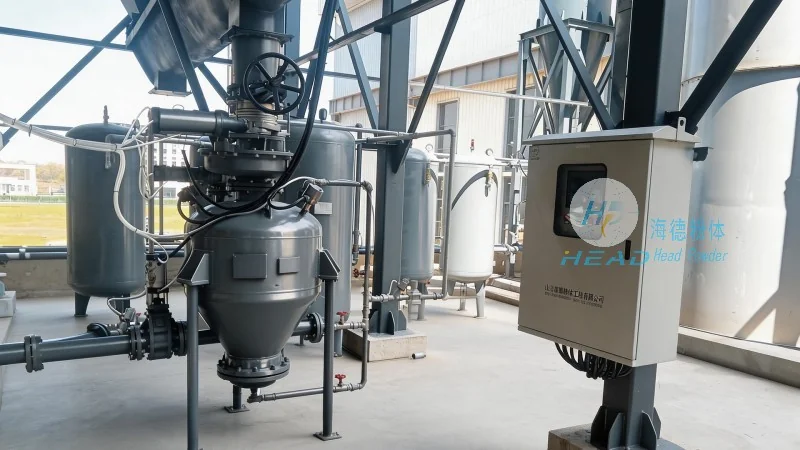
Understanding the Risks of Pipeline Blockages in Soda Ash Conveyance
Pipeline blockages in soda ash pneumatic conveying systems can result from various factors, including material properties, system design, and operational conditions. Soda ash, also known as sodium carbonate, is a fine, dry powder that can exhibit cohesive behavior under certain conditions, leading to agglomeration and clogging in the conveying lines. Additionally, the presence of moisture or impurities can further exacerbate the risk of blockages by promoting material adhesion to the pipe walls. These blockages not only disrupt the flow of material but also increase the pressure drop across the system, potentially causing damage to the equipment if not addressed promptly.
Key Design Parameters for Preventing Blockages in Pneumatic Conveying Systems
Several key design parameters play a vital role in preventing pipeline blockages in soda ash conveying systems. The first parameter is the selection of the appropriate conveying velocity. The velocity must be high enough to maintain the material in suspension but not so high as to cause excessive wear on the system components. For soda ash, a conveying velocity typically ranging from 20 to 30 meters per second is recommended to ensure efficient transport while minimizing the risk of particle deposition. Another critical parameter is the pipe diameter, which should be sized appropriately to balance the material flow rate and the pressure drop. Larger pipe diameters reduce the velocity and pressure drop, but they also increase the system's footprint and cost. Conversely, smaller diameters can lead to higher velocities and increased wear, potentially contributing to blockages.
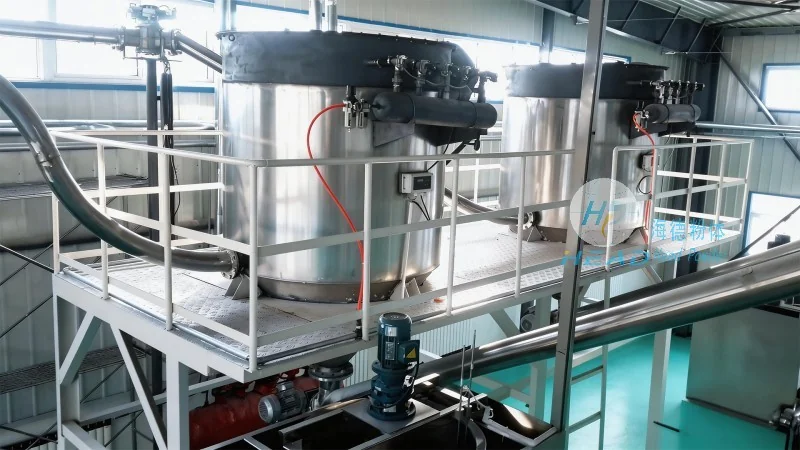
The material's bulk density and flowability are also crucial design considerations. Soda ash has a relatively low bulk density compared to other bulk materials, which means that higher air volumes are required to achieve the desired conveying rate. Properly sizing the air compressor and the associated ductwork is essential to ensure sufficient air flow without causing excessive pressure fluctuations that could lead to blockages. Additionally, the use of bends, elbows, and other fittings in the system should be minimized or carefully designed to avoid areas where material can settle and accumulate. Smooth pipe surfaces and the absence of sharp corners or rough edges are also important to prevent material buildup and reduce the likelihood of clogging.
The Role of System Sizing and Air Compressor Selection
System sizing and the selection of the air compressor are fundamental to preventing blockages in pneumatic conveying systems. The air compressor must be capable of delivering the required air volume and pressure to maintain the material in suspension throughout the entire conveying line. Over-sizing the compressor can lead to unnecessary energy consumption and increased operating costs, while under-sizing may result in insufficient air flow, causing material to settle and block the pipeline. The compressor's capacity should be matched to the specific characteristics of the soda ash, including its particle size distribution, moisture content, and flow properties. For example, a positive displacement compressor is often preferred for handling fine powders like soda ash because it provides consistent air flow and pressure, which helps maintain the material's suspension and prevent blockages.
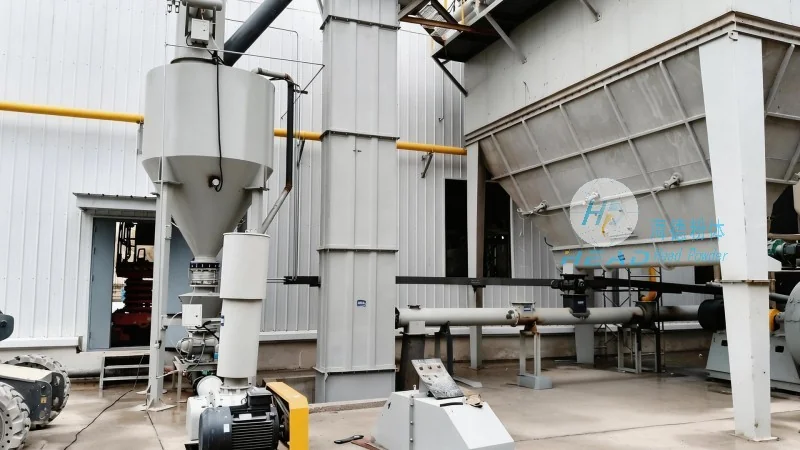
Material Handling and Conditioning Techniques
In addition to system design, material handling and conditioning techniques can significantly reduce the risk of pipeline blockages. Pre-drying the soda ash to remove moisture is an effective measure to improve its flowability and reduce the likelihood of agglomeration. Moisture can cause the material to stick to the pipe walls and form clumps, which can then lead to blockages. Similarly, adding anti-caking agents or using vibration or agitation devices can help break up any aggregates and maintain the material's free-flowing state. These conditioning steps are particularly important when dealing with wet or sticky soda ash, as they can prevent the formation of hard deposits that are difficult to remove.
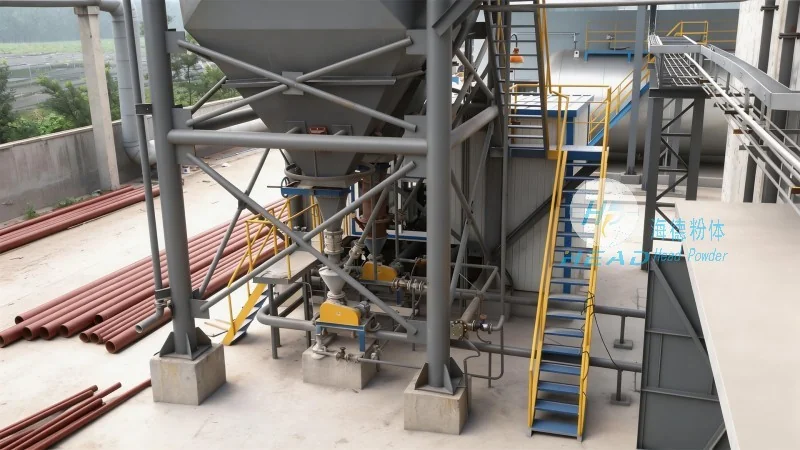
Regular Maintenance and Monitoring Practices
Even with optimal design, regular maintenance and monitoring are essential to prevent pipeline blockages in pneumatic conveying systems. Regular cleaning of the system, including the pipe interior and air filters, helps remove any accumulated material and prevent the buildup of deposits. Monitoring the system's pressure drop and air flow rates can provide early warnings of potential blockages, allowing for timely intervention before a complete system shutdown occurs. Additionally, inspecting the material's flow properties and adjusting the system parameters as needed can help maintain the system's efficiency and prevent long-term damage.
Conclusion: Optimizing Pneumatic Conveying Systems for Reliable Soda Ash Transport
Preventing pipeline blockages in pneumatic conveying systems used for soda ash transport requires a combination of careful system design, appropriate material handling techniques, and regular maintenance. By focusing on key design parameters such as conveying velocity, pipe diameter, air compressor capacity, and material conditioning, industrial operators can significantly reduce the risk of blockages and ensure the smooth operation of their conveying systems. The expertise of companies like Shandong HeadPowder Engineering Co., Ltd., a leading provider of pneumatic conveying solutions, can provide valuable insights and support in implementing these measures. With the right approach, pneumatic conveying systems can offer a reliable and efficient method for transporting soda ash, minimizing downtime and maximizing productivity in industrial applications.