Wheat material conveying systems are integral to modern agricultural and industrial processing, ensuring efficient movement of grain from storage to processing units. The operation process and working principle of these systems involve a series of mechanical and operational steps designed to handle the bulk handling of wheat with precision and reliability. Shandong HeadPowder Engineering Co., Ltd., a leading manufacturer based in China, specializes in designing and manufacturing such systems to meet the diverse needs of the grain industry.
Introduction to Wheat Material Conveying Systems
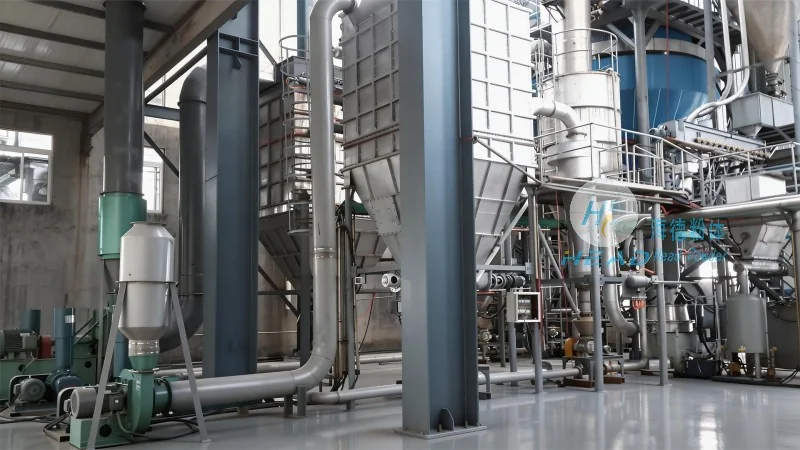
Wheat material conveying systems are specialized equipment used in the agricultural and food processing industries to transport wheat and other grain materials. These systems are crucial for optimizing workflow in grain storage facilities, processing plants, and distribution centers. The primary goal is to move large volumes of wheat efficiently, minimizing downtime and ensuring consistent material flow. The systems typically consist of components such as hoppers, conveyors, and control mechanisms, all working in tandem to achieve seamless material transfer.
Key Components and Their Roles
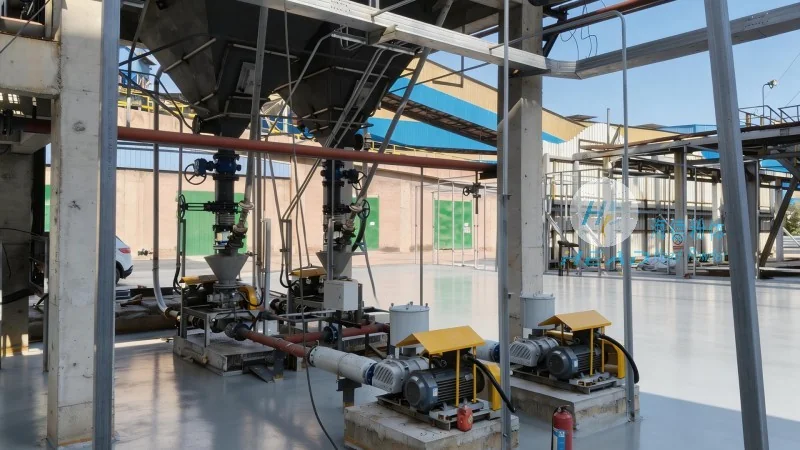
The performance of a wheat material conveying system relies on several key components, each with a specific function. The hopper serves as the initial collection point, where wheat is stored before being fed into the conveying mechanism. It is designed to accommodate bulk quantities of grain and maintain a consistent flow rate. The conveyor itself, often a belt or screw type, is responsible for transporting the wheat from the hopper to the next processing stage. In some systems, additional components like elevators or pneumatic conveyors may be used to handle vertical or horizontal transport needs. The control system, which includes sensors and motors, regulates the speed and direction of the conveyor, ensuring precise material handling. Each component must be properly maintained to prevent breakdowns and ensure the system operates at optimal efficiency.
Operation Process: Step-by-Step
The operation process of a wheat material conveying system begins with the loading of wheat into the hopper. The hopper is filled to a certain level, and the control system activates the conveyor motor. As the motor runs, the conveyor belt or screw rotates, lifting or moving the wheat from the hopper. The speed of the conveyor is adjusted based on the required throughput, ensuring that the wheat is moved at a consistent rate. In horizontal conveying systems, the wheat travels along the conveyor belt, while vertical systems use elevators to lift the grain to higher levels. The material is then discharged at the end of the conveyor into a processing unit or storage bin. The entire process is monitored by the control system, which adjusts parameters as needed to maintain smooth operation. Regular checks are performed to ensure that the system is functioning correctly and that there are no blockages or jams.
Working Principle: Mechanical and Control Mechanisms
The working principle of wheat material conveying systems combines mechanical engineering with control technology. The mechanical part involves the design of the conveyor components, such as the belt tension, pulley alignment, and screw pitch, which determine the efficiency of material movement. The control mechanism uses sensors to detect the level of wheat in the hopper and the position of the conveyor. These sensors send signals to the control unit, which adjusts the motor speed accordingly. For example, if the hopper level is low, the control system may increase the conveyor speed to maintain a steady flow. Conversely, if the hopper is full, the system may slow down or stop to prevent overloading. The integration of mechanical and electrical components ensures that the system operates safely and efficiently, minimizing the risk of accidents and material loss.
Applications and Benefits in Grain Handling
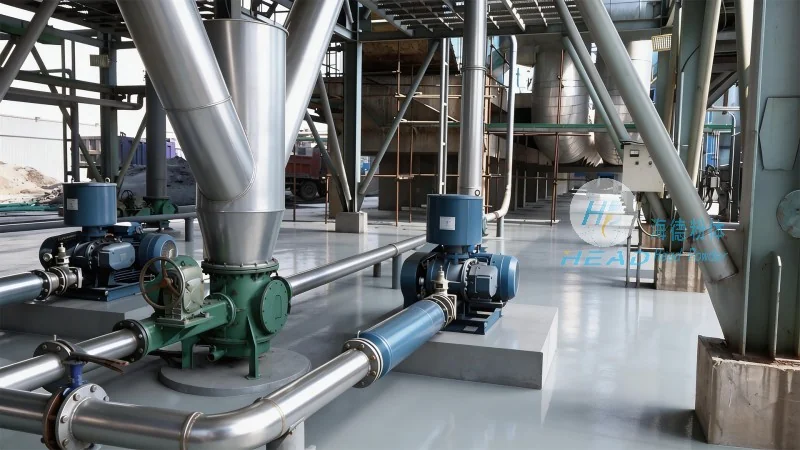
Wheat material conveying systems are widely used in various applications, including grain storage, milling, and distribution. In storage facilities, these systems help in transferring wheat from silos to processing plants, ensuring a continuous supply of raw material. In milling operations, the conveyor systems transport wheat to the grinding and sieving equipment, where it is processed into flour. The benefits of using these systems include increased productivity, reduced labor costs, and improved safety. By automating the material handling process, the systems minimize the risk of human error and accidents, while also ensuring consistent quality of the wheat being processed. Additionally, the systems are designed to handle different types of wheat, including hard and soft varieties, with minimal adjustments to the control settings.
Maintenance and Troubleshooting
Proper maintenance is essential to ensure the long-term performance of wheat material conveying systems. Regular inspections should be conducted to check for wear and tear on the conveyor components, such as the belt or screw. The hopper and conveyor should be cleaned regularly to prevent the accumulation of dust or debris, which can affect the system's efficiency. If the system experiences any issues, such as a blockage or a motor failure, the troubleshooting process involves checking the control system first, followed by the mechanical components. Common issues include belt slippage, motor overheating, or sensor malfunctions. By addressing these issues promptly, the system can be restored to optimal operation, minimizing downtime and ensuring continuous material flow.




