Ferrous sulfate, a widely used chemical compound in various industrial applications, often requires efficient and reliable handling methods for its powder form. The pneumatic conveying system represents a sophisticated solution for transporting ferrous sulfate powder, offering advantages in terms of safety, efficiency, and operational flexibility. This article explores the fundamental principles behind such systems and highlights the key working scene characteristics that make them suitable for handling ferrous sulfate powder.
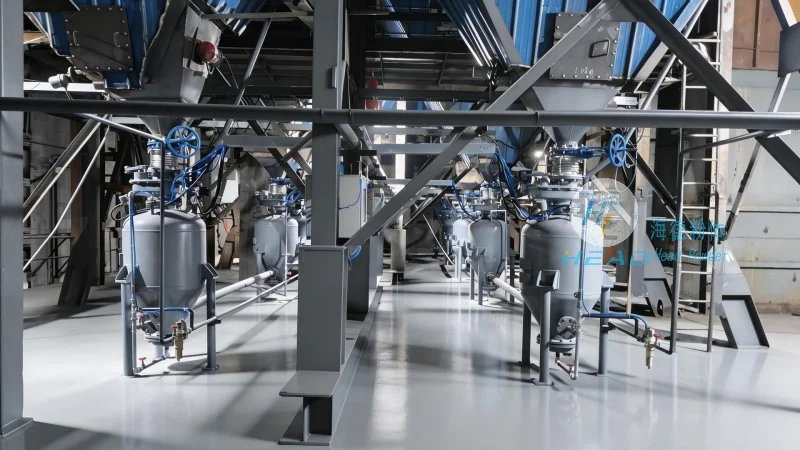
The Core Principles of Pneumatic Conveying for Ferrous Sulfate Powder
The pneumatic conveying system operates on the principle of using air or gas to transport solid particles through a pipeline. In the case of ferrous sulfate powder, the system typically employs a positive displacement or pressure-driven mechanism. The process involves generating a flow of air that lifts and propels the powder particles through the conveying line. Key components include a hopper for material storage, a feeder to control the flow rate, a conveying line, and a receiver to collect the material at the destination. The system's design must consider factors such as particle size, moisture content, and the specific properties of ferrous sulfate to ensure optimal performance and prevent issues like blockages or degradation of the material.
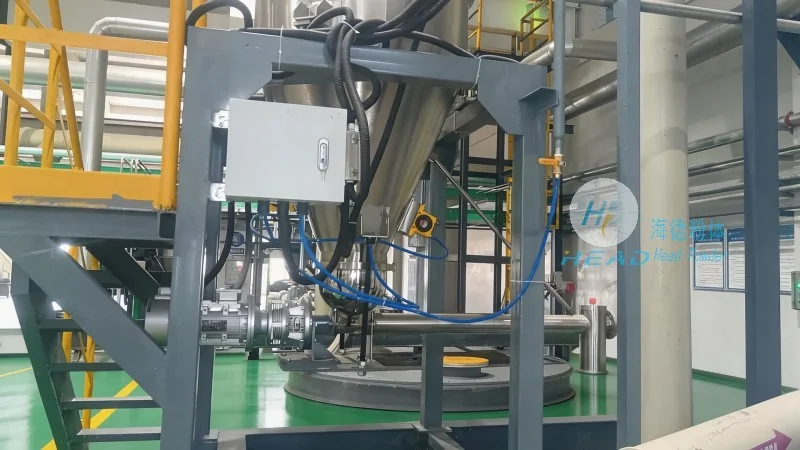
Working Scene Characteristics of Ferrous Sulfate Powder Pneumatic Conveying Systems
The application of pneumatic conveying systems for ferrous sulfate powder is characterized by several distinct working scene features. Firstly, the system is designed to handle fine powders, which can be challenging due to their tendency to create dust and cause clogging in traditional mechanical conveyors. The pneumatic method effectively mitigates these issues by using air to transport the particles, reducing the risk of material loss and improving safety in the workplace. Secondly, the system offers flexibility in terms of layout and installation. It can be configured to handle multiple points of material input and output, making it suitable for complex production lines or facilities where space is limited. Additionally, the system operates with minimal maintenance requirements compared to other conveying methods, as it avoids the wear and tear associated with mechanical components like belts or screws.
Applications and Industry Context
Ferrous sulfate powder is commonly used in industries such as water treatment, agriculture, and chemical manufacturing. In water treatment, it serves as a coagulant to remove impurities from water, while in agriculture, it is used as a fertilizer or soil amendment. The pneumatic conveying system is particularly advantageous in these applications because it allows for the safe and efficient transport of the powder from storage to processing equipment or to other parts of the facility. The system's ability to handle large volumes of material at a consistent rate ensures that production processes remain uninterrupted, contributing to overall operational efficiency.
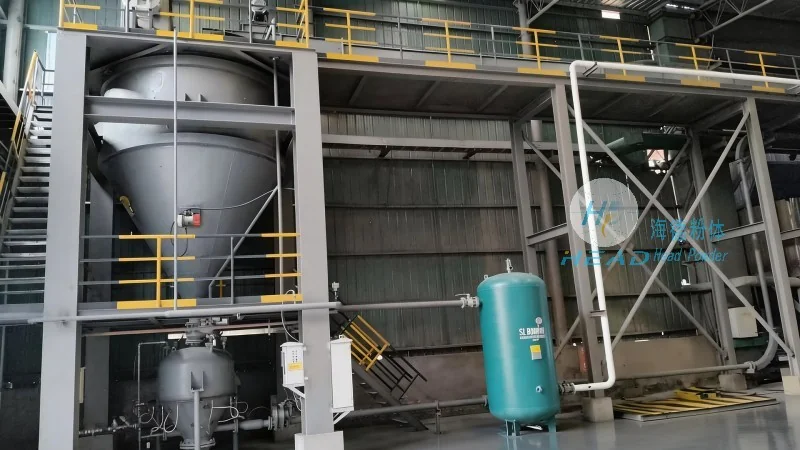
Company Overview: Shandong HeadPowder Engineering Co., Ltd.
As a leading provider of engineering solutions for powder handling, Shandong HeadPowder Engineering Co., Ltd. specializes in designing and manufacturing pneumatic conveying systems tailored to the needs of various industries. With a focus on innovation and quality, the company has developed advanced systems that meet the specific requirements of handling ferrous sulfate powder and other fine chemicals. HeadPowder's expertise lies in understanding the unique properties of different powders and designing systems that optimize performance, safety, and cost-effectiveness. The company's facilities are located in Shandong, China, where it leverages local resources and expertise to deliver high-quality products and services to clients worldwide.




